
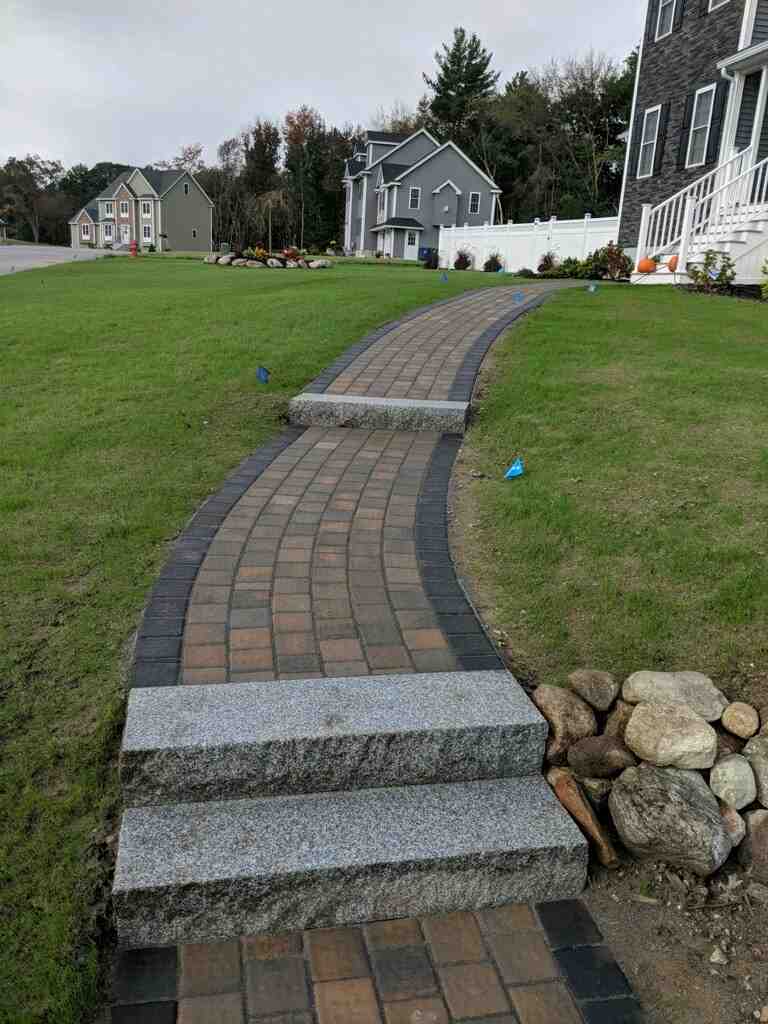
Brick stairs and walkway designs not only improve the curb appeal of any property but also improve its functionality and safety. Whether you’re a commercial property manager in Merrimack Valley or a homeowner looking for stunning landscape solutions, brick stairs and walkways are a fantastic choice. They offer durability, timeless elegance, and a range of design possibilities to suit any style from rustic charm to modern sophistication. If you’re considering upgrading your outdoor space, here are the top reasons to choose brick stairs and walkways:
As Scott McLeod, I bring over three decades of experience in the landscaping industry, focusing on creating beautiful and practical outdoor spaces. At McLeod Landscaping, we specialize in designing and installing brick stairs and walkways that lift the appearance of commercial and residential properties alike.

Brick stairs and walkway word guide:
– brick stair repair
– concrete stairs and walkways
– interlocking brick stairs
When planning brick stairs and walkways, there are a few key considerations to keep in mind. Each decision can influence the final look, cost, and functionality of your project.
First, think about the overall look you want to achieve. Brick offers a timeless appeal, but the design can vary from traditional to contemporary. The pattern is crucial—common patterns include herringbone, basket weave, and running bond. Each pattern has its own aesthetic and complexity.
Consider how the brick stairs and walkway will integrate with the existing landscape. Will they connect to a patio or lead to a garden? Make sure the design complements the surrounding architecture and landscape features.
Choosing the right materials is vital. Bricks come in a variety of colors and finishes, from classic reds to earthy browns and even blues. The type of brick you choose can impact both the appearance and durability of your walkway.
Type M mortar is recommended for its strength, especially in areas with heavy foot traffic or inclement weather. Ensure your bricks and mortar are suitable for outdoor use to withstand weather changes over time.
Estimating the cost of your project involves several factors:
For DIY enthusiasts, investing in the right tools is essential. You’ll need equipment like a mason’s trowel, level, and mortar bag. These tools ensure your project is both safe and visually appealing.

By carefully considering these elements, you can create a stunning and functional brick stairs and walkway that adds value and beauty to your property. Up next, we’ll explore the costs involved in more detail to help you budget effectively for your project.
When planning your brick stairs and walkway, understanding the cost factors is essential. Let’s break down the main components: material costs, labor, and project size.
The cost of materials can vary widely depending on the type and quality of bricks you choose. On average, bricks cost between $4 to $6 per square foot. However, opting for high-end or custom bricks can increase this price.

Labor costs are another significant factor. If you choose to hire professionals, expect labor costs to vary based on:
For those opting for a DIY approach, consider the time and effort involved. While you save on labor costs, the trade-off is the time commitment and the need for precision.
The size of your project directly impacts the overall cost. Larger areas require more materials and labor, thus increasing the expense. However, buying materials in bulk might offer some savings.
By understanding these cost factors, you can plan and budget effectively for your brick stairs and walkway project. Next, we’ll discuss building a solid foundation, a crucial step in ensuring the longevity of your installation.
Creating a reliable foundation is the backbone of any brick stairs and walkway project. Without a solid base, even the most beautiful designs can fail over time. Let’s explore the key components needed for a lasting foundation: concrete, geotextile fabric, and proper drainage.
A concrete foundation is vital for stability. It provides a flat, strong surface to support your bricks. Begin by excavating the area to the required depth and width, ensuring a level base. Pour concrete into the trench and smooth it out. This layer acts as a sturdy platform that prevents settling and shifting.
To further improve stability, lay geotextile fabric between the soil and the concrete. This fabric acts as a barrier, preventing soil erosion and weed growth. It also helps distribute weight evenly, reducing the risk of cracks.
Proper drainage is crucial to avoid water damage. Water accumulation can weaken the foundation and cause bricks to shift or crack. Implementing effective drainage solutions ensures longevity.
By focusing on these foundational elements, you set the stage for a durable and long-lasting brick stairs and walkway. Next, we’ll weigh the pros and cons of DIY versus professional installation to help you decide the best approach for your project.
When considering whether to take on a brick stairs and walkway project yourself or hire professionals, several factors come into play, including the tools needed, skill level, and time commitment.
DIY: Tackling this project on your own requires a variety of tools. Essential items include a hammer, mason’s trowel, level, rubber mallet, and a small sledgehammer. You’ll also need a mixing tub for mortar, a screed for leveling, a jointer for smoothing mortar joints, and a mortar bag for precise application. Make sure you have all these tools before starting.
Professional: Professionals come equipped with all necessary tools and more. They also have access to high-grade equipment, ensuring precision and efficiency.
DIY: An intermediate skill level is recommended for this type of project. You’ll need to understand how to lay bricks evenly, mix and apply mortar correctly, and ensure everything is level. Mistakes can be costly, so it’s important to feel confident in your abilities.
Professional: Hiring professionals means you’re relying on their expertise and experience. They are trained to handle challenges that may arise and can ensure your project meets local building codes and standards.
DIY: Be prepared to invest significant time if you choose the DIY route. Depending on the size of your project, it could take a full weekend or longer. Rushing can lead to mistakes, so plan your time accordingly.
Professional: A professional team can complete the job much faster. Their experience allows them to work efficiently, often finishing in a fraction of the time it would take to do it yourself.
In summary, while a DIY approach can be rewarding and cost-effective for those with the right skills and tools, hiring professionals offers peace of mind and saves time. Consider your personal situation before making a decision. Up next, we’ll dive into how to maintain and repair your brick stairs and walkway to keep them looking their best.
Keeping your brick stairs and walkway in top shape is essential for both safety and aesthetics. Regular maintenance can extend their lifespan and keep them looking fresh and inviting. Here’s how to do it:
Dirt and grime can accumulate on bricks over time, dulling their appearance. To clean them:
Cracked or broken bricks not only look bad but can also be a tripping hazard. Here’s how to replace them:
Over time, mortar can crack or crumble, compromising the stability of your brickwork. To repair it:
Regular maintenance not only keeps your brick stairs and walkway looking great but also ensures they remain safe and durable. Next, we’ll answer some frequently asked questions to help you make informed decisions about your project.
The cost of building brick stairs can vary depending on several factors such as the size of the project, the type of bricks used, and whether you decide to hire a professional or go the DIY route. On average, you can expect to pay between $4 to $6 per square foot for materials. If you opt for professional installation, labor costs will add to the total, often doubling the price per square foot. It’s essential to plan your budget carefully and consider all elements, including any permits or additional materials needed.
Yes, brick steps require a solid foundation to ensure stability and longevity. A concrete foundation is typically used, providing a sturdy base for the bricks. Without a proper foundation, the steps may shift or settle unevenly over time, leading to structural issues and potential safety hazards. The foundation should be well-prepared, taking into account factors like soil type and drainage, to prevent future problems.
Laying brick steps directly on dirt is not recommended. Without a solid foundation, the bricks are likely to shift, settle, or crack due to changes in the ground beneath them. This can lead to uneven steps and safety concerns. Instead, it’s best to first create a stable base, typically with a concrete foundation or a compacted gravel layer, to support the weight of the bricks and maintain the integrity of the structure over time.
With these answers, you’re better equipped to tackle your brick stairs and walkway project with confidence. Moving forward, we’ll dig into more detailed aspects of design and construction to help bring your vision to life.
Creating beautiful and durable brick stairs and walkways is a rewarding project that can significantly improve the aesthetic and functionality of your outdoor space. From planning to maintenance, every step plays a crucial role in ensuring your project stands the test of time.
When starting on this journey, start with a clear design plan. Consider the layout, materials, and costs involved. While DIY can be a fulfilling experience, professional installation offers expertise and peace of mind, especially for larger or more complex projects.
At McLeod Landscaping, we pride ourselves on changing concepts into reality. With over 30 years of experience in residential hardscaping, we offer comprehensive services that ensure every detail of your brick stairs and walkway is carefully crafted. Our team is here to guide you through the process, from selecting the perfect materials to ensuring a solid foundation.
For those ready to take the next step, explore our walkway installation services to see how we can bring your vision to life. Whether you’re dreaming of a cozy garden path or a grand entrance, we’re committed to delivering quality and craftsmanship you can trust.
Thank you for considering McLeod Landscaping for your project. We look forward to helping you create a stunning outdoor space that you’ll enjoy for years to come.
Contact McLeod Landscaping today at (978) 640-0957 or click here to schedule a consultation for retaining wall installation. Let our experienced team design and install a functional and visually appealing retaining wall that enhances your landscape.


1881 Main St Unit 1, Tewksbury, MA 01876