
When considering how to improve your property’s outdoor space, the debate often narrows down to hardscaping vs landscaping. Both play crucial roles in outdoor design, yet they serve different purposes and require specific considerations.
The choice between hardscaping and landscaping depends on your goals—be it long-lasting features or lush natural beauty.
I’m Scott McLeod, the owner of McLeod Landscaping. With over three decades in hardscaping vs landscaping, I’ve guided numerous projects to success. Our experienced team excels at blending these essential elements to transform your outdoor spaces into stunning, sustainable environments.
Hardscaping vs landscaping glossary:
– hardscape and landscape
– hardscape design services
– hardscape installation services
When it comes to enhancing your outdoor space, understanding the differences between hardscaping vs landscaping is essential. Both play vital roles in creating a balanced and functional environment, but they serve distinct purposes.
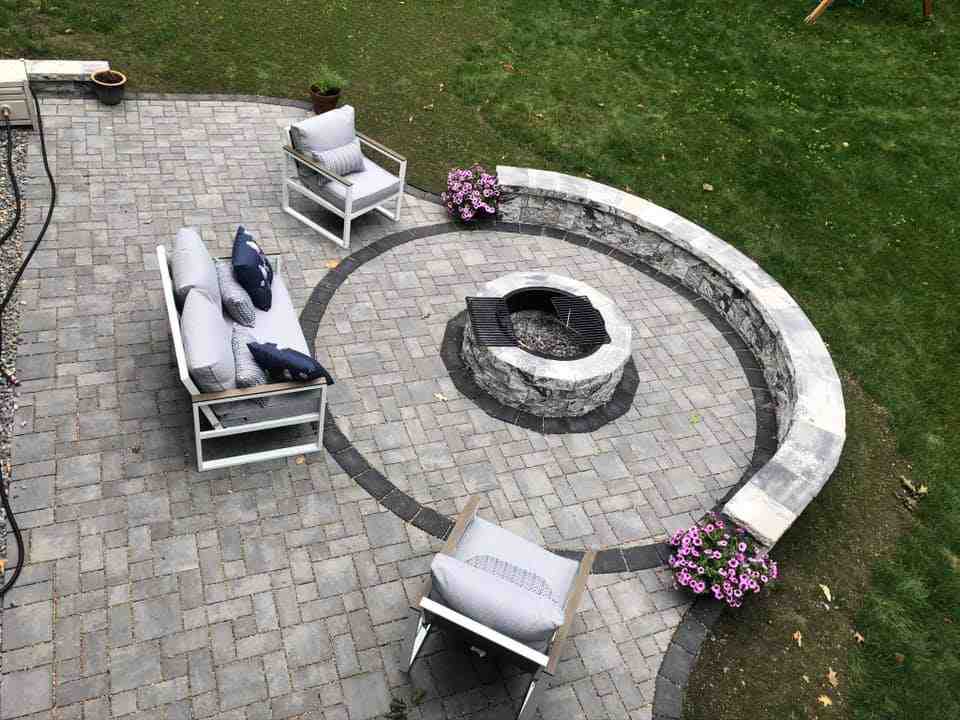
Hardscaping consists of the non-living elements in your outdoor design. This includes features like patios, walkways, and retaining walls. These structures provide durability and functionality, often forming the backbone of an outdoor space.
Patios are popular hardscaping elements, offering a place for outdoor seating and entertainment. They can be made from various materials such as stone, brick, or concrete, each bringing a unique aesthetic and durability level.
Walkways guide foot traffic and connect different areas of your property. They can be both functional and decorative, often enhancing the overall design by using materials that complement the surrounding landscape.
Retaining walls serve both practical and aesthetic purposes. They help manage erosion and create level surfaces on sloped areas, while also adding a distinct visual element to the landscape.
Landscaping involves the living aspects of your outdoor area. This includes lawns, gardens, and trees, all contributing to the natural beauty and ecological health of your property.
Lawns are often the most prominent feature of a landscape. They provide a versatile space for recreation and relaxation, though they require regular maintenance to stay healthy and attractive.
Gardens add color and texture, offering a chance to showcase a variety of plants, from flowers to vegetables. They can be designed to attract pollinators, improve curb appeal, or even provide fresh produce.
Trees play a crucial role in landscaping by offering shade, privacy, and aesthetic appeal. They can also improve air quality and provide habitats for wildlife.
The primary difference between hardscaping and landscaping lies in their materials and functions. Hardscaping uses solid materials to create permanent structures that require minimal maintenance. Landscaping, on the other hand, focuses on cultivating living elements that improve the visual and environmental quality of your space.
Practical Uses: Hardscaping provides structure and functionality, making it ideal for creating patios, pathways, and retaining walls that stand the test of time. Landscaping, however, offers flexibility and natural beauty, perfect for gardens and lawns that change with the seasons.
Aesthetic Impact: Hardscaping can add a modern, clean look with its structured elements, while landscaping brings a soft, organic feel with its living components. The best designs often blend both, creating a harmonious outdoor space.

Incorporating both hardscaping and landscaping elements can improve your property’s overall appeal, providing both functional and aesthetic benefits. The key is to find the right balance that suits your personal taste and practical needs.
Hardscaping offers several advantages that can transform your outdoor space into a functional and beautiful area. Let’s explore some of the key benefits and examples of hardscaping.
Hardscaping materials like stone, concrete, and brick are incredibly durable. Unlike plants, which can be affected by weather changes, hardscaping elements stand strong against the elements. This durability means they require less frequent replacement and repair, saving you time and money in the long run.
One of the biggest perks of hardscaping is its low maintenance. Unlike lawns or gardens that need regular watering, mowing, and pruning, hardscaped areas need minimal upkeep. A simple sweep or rinse is often enough to keep them looking great. This makes hardscaping an attractive option for busy homeowners who want a beautiful outdoor space without the hassle of constant maintenance.
Hardscaping can improve accessibility around your property. For example, driveways made from concrete or asphalt provide a smooth surface for vehicles and foot traffic. This not only adds convenience but also improves safety, especially for those with mobility challenges.
Driveways are a common hardscaping feature that provides a functional and durable surface for vehicles. They can be crafted from materials like concrete, asphalt, or stone, each offering unique benefits in terms of longevity and aesthetics.
An outdoor kitchen is a fantastic way to extend your living space outdoors. Equipped with appliances like grills and sinks, these kitchens allow for cooking and entertaining in the open air. Hardscaping materials like stone and brick are often used to create countertops and flooring, providing a robust and stylish foundation for your outdoor culinary trips.
Fire pits are a popular hardscaping feature that adds warmth and ambiance to any outdoor space. They create a cozy gathering spot for family and friends, perfect for cool evenings. Fire pits can be designed using various materials, such as brick or stone, to match the overall style of your outdoor area.

Incorporating these hardscaping elements can dramatically improve the functionality and enjoyment of your outdoor space. Whether it’s the durability of a stone pathway or the charm of a brick fire pit, hardscaping provides lasting benefits that complement any landscape design.
Next, we’ll explore the benefits of landscaping and how it can add beauty and value to your property.
Landscaping isn’t just about making your yard look nice. It offers a range of benefits that can transform your outdoor space into a vibrant and valuable part of your home.
Landscaping can have a positive effect on the environment. Planting trees and shrubs helps absorb carbon dioxide and release oxygen, improving air quality. According to research, mature trees can increase property value by up to 15% while also providing shade and reducing energy costs. Flower beds filled with pollinator-friendly plants attract bees and butterflies, supporting a healthy ecosystem.
A well-designed landscape can turn an ordinary yard into a beautiful oasis. Flower beds add pops of color and texture, enhancing the sensory enjoyment of your outdoor space. Immersive gardens, with winding paths and varied plantings, create a sense of trip and exploration. This aesthetic appeal not only makes your yard more enjoyable but also boosts your home’s curb appeal.
Investing in landscaping can significantly increase your property’s value. Real estate experts suggest that professional landscaping can boost property value by up to 20%. This is because potential buyers often seek homes with attractive and functional outdoor spaces. Features like native plants, which are well-suited to the local climate, can lower maintenance costs and increase the appeal to eco-conscious buyers.
Flower beds are a simple yet effective way to add color and life to your yard. They can be customized with a variety of plants to match your personal style and seasonal themes. Flower beds also support local wildlife, providing food and habitat for pollinators.
Immersive gardens offer a more involved landscape experience. They often include a mix of plants, pathways, and seating areas. These gardens are designed to engage the senses and provide a peaceful retreat from the hustle and bustle of daily life.
Using native plants in your landscape design is both environmentally friendly and cost-effective. Native plants require less water, fertilizer, and maintenance, as they are adapted to the local climate. This makes them a sustainable choice that can thrive with minimal intervention.
Landscaping brings numerous benefits that go beyond aesthetics. It improves environmental health, boosts property value, and creates an inviting space for relaxation and enjoyment. Next, we’ll look at design strategies for combining hardscaping and landscaping to create cohesive outdoor spaces.
Creating a harmonious blend of hardscaping and landscaping can transform your outdoor area into a seamless extension of your home. The key is to integrate both elements thoughtfully, ensuring balance and flow throughout the space.
Integration Techniques
To achieve a cohesive design, start by considering how each element will function together. For example, if you have a tiled floor indoors, extending similar tiles to your patio can create a natural flow from inside to outside. Use pathways to connect different areas, such as a garden to a seating area, ensuring they are easy to steer and complement the overall design.
Balance
Balance is crucial when combining hardscape and landscape elements. Too much hardscaping can make a space feel cold, while too much greenery can look cluttered. Aim for a mix that suits your style and needs. For instance, use stone or brick pathways to break up large areas of grass, or incorporate raised flower beds to add height and interest to a flat patio.
Flow
Flow refers to how easily you can move through your outdoor space. Ensure that pathways are wide enough for comfortable walking and that transitions between different areas are smooth. Curved paths can add a sense of journey and findy, leading visitors through your garden or yard.
Pergolas
Pergolas are an excellent way to blend hardscape and landscape elements. They provide structure and shade, making outdoor spaces more usable and inviting. Consider growing climbing plants on your pergola to soften its appearance and integrate it with the surrounding greenery.
Water Features
Water features, like ponds or fountains, add both visual and auditory appeal to your landscape. They can serve as focal points or be tucked away in a quiet corner for a more tranquil effect. The sound of water can also mask unwanted noise, creating a peaceful atmosphere.
Softscaping Elements
Incorporate softscaping elements like flower beds, shrubs, and trees to add color and life to your hardscape features. Choose plants that complement the style and color of your hardscaping materials. For instance, lush greenery can soften the edges of a stone patio, while vibrant flowers can add a pop of color against a neutral pathway.
By skillfully integrating hardscaping and landscaping, you can create outdoor spaces that are both functional and beautiful. This thoughtful design approach ensures your garden or yard is a welcoming and cohesive part of your home. Next, we’ll address some frequently asked questions about combining these elements effectively.
When considering hardscaping vs landscaping, costs can vary significantly based on materials, design complexity, and labor. Hardscaping often involves higher upfront costs due to materials like stone, concrete, and brick. For instance, a patio might cost between $2,000 and $5,800, while a retaining wall ranges from $3,000 to $9,000. These structures require skilled labor and sometimes heavy machinery, adding to the expense.
On the other hand, landscaping focuses on living elements, which might seem cheaper initially. However, maintaining plants, lawns, and gardens can add up over time. You’ll need to budget for ongoing expenses like watering, pruning, and seasonal planting. Hardscaping is a larger one-time investment with lower maintenance costs, while landscaping may require continuous spending.
Choosing between hardscaping and landscaping depends on your preferences, needs, and property characteristics. If you value low maintenance and durability, hardscaping might be your best bet. It provides functional spaces like patios and walkways that require less upkeep.
However, if you love the vibrancy and environmental benefits of plants, landscaping could be more appealing. It offers aesthetic appeal and can increase property value by enhancing curb appeal. Consider your lifestyle, climate, and how you plan to use your outdoor space. For instance, if you enjoy gardening, landscaping offers a rewarding hobby. But if you prefer a space for entertaining, hardscaping might suit your needs better.
Absolutely! Both hardscaping and landscaping can significantly boost your property’s resale value. Well-designed hardscaping, like outdoor kitchens or fire pits, creates functional spaces that attract buyers. These features can make your property stand out in the market.
Landscaping, meanwhile, improves curb appeal. Beautiful gardens, lawns, and trees create a welcoming atmosphere, making a great first impression. Studies show that investing in landscaping can yield a return on investment of up to 150%, depending on the quality and design.
Combining both elements effectively not only improves your immediate enjoyment but also serves as a wise investment. Buyers are more likely to be drawn to homes with thoughtfully designed outdoor spaces.
In the great debate of hardscaping vs landscaping, the choice isn’t always straightforward. Each has unique benefits and potential drawbacks. Hardscaping offers durability and low maintenance, making it ideal for creating functional spaces like patios and outdoor kitchens. It’s a solid investment that stands the test of time, adding both utility and value to your property.
On the other hand, landscaping breathes life into your outdoor areas. It improves the environmental impact, boosts curb appeal, and attracts wildlife. Whether it’s a lush garden or a serene lawn, landscaping turns your yard into a beautiful, living space. However, it does require regular upkeep to maintain its charm.
Deciding between hardscaping and landscaping ultimately depends on your personal preferences and property needs. Consider factors like your lifestyle, budget, and how you envision using your outdoor space. If you desire a low-maintenance, long-lasting area for entertaining, hardscaping may be your best choice. But if you love gardening and the natural beauty of plants, landscaping could be more fulfilling.
For many, the best approach is a blend of both. Integrating elements of hardscaping and landscaping creates a balanced and cohesive outdoor environment. This combination not only improves your property’s aesthetic appeal but also maximizes its functionality and value.
At McLeod Landscaping, we specialize in crafting outdoor spaces that are both beautiful and functional. With over 30 years of experience, we offer a comprehensive range of services custom to meet your needs. Whether you’re looking to install a new patio or design a vibrant garden, our team is here to bring your vision to life.
Explore our hardscaping services to see how we can help transform your outdoor space into a stunning extension of your home. Let us guide you in making the best choices for your landscape, ensuring it becomes a cherished part of your property for years to come.
Contact McLeod Landscaping today at (978) 640-0957 or click here to schedule a consultation for retaining wall installation. Let our experienced team design and install a functional and visually appealing retaining wall that enhances your landscape.


1881 Main St Unit 1, Tewksbury, MA 01876