
When it comes to patio installation services, many property managers and homeowners want fast and trustworthy information. Here are a few key points to help you find the best service quickly:
At McLeod Landscaping, we believe in delivering the best outdoor spaces for our clients. With over three decades of experience in landscape design and hardscaping, including patio installation services, we have the skills and knowledge to transform your property. I’m Scott McLeod, and our goal is to exceed your expectations, providing top-quality craftsmanship and reliable service to every project.

When planning for a new outdoor space, understanding the various materials and techniques used in patio installation services is crucial. Here’s a breakdown of some popular options:
Gravel is a budget-friendly and versatile option for patios. It provides excellent drainage and is easy to install. However, it may require regular maintenance to keep it looking neat.
Concrete is a popular choice due to its durability and affordability. It can be molded into various shapes and dyed in different colors. For a more decorative look, consider stamped concrete, which mimics the appearance of natural stone or tiles.
Pavers come in various materials like brick, stone, and concrete. They are easy to replace if damaged and can be arranged in different patterns to create a unique look. Paver patios are known for their strength and aesthetic appeal.
Crushed granite offers a rustic and natural appearance, making it an excellent choice for a more organic look. It’s durable and provides good drainage but may need occasional replenishment.
Limestone is a sedimentary rock that creates a sophisticated and timeless look. It’s durable and can withstand various weather conditions. However, it may require sealing to maintain its appearance.
Pea gravel consists of small, rounded stones that are comfortable to walk on. It’s an affordable option that offers excellent drainage. However, it can scatter easily, so edging is often needed to keep it contained.
River rock is similar to pea gravel but consists of larger, smoother stones. It provides a natural and relaxed look. Like pea gravel, it requires edging to stay in place.
Stamped concrete is a decorative option that mimics the look of natural stone, brick, or other materials. It offers the durability of concrete with the added benefit of a custom appearance.
Polymer sand is used to fill the joints between pavers. It hardens upon wetting, helping to lock the pavers in place and prevent weed growth. It’s an essential component for maintaining the integrity of a paver patio.
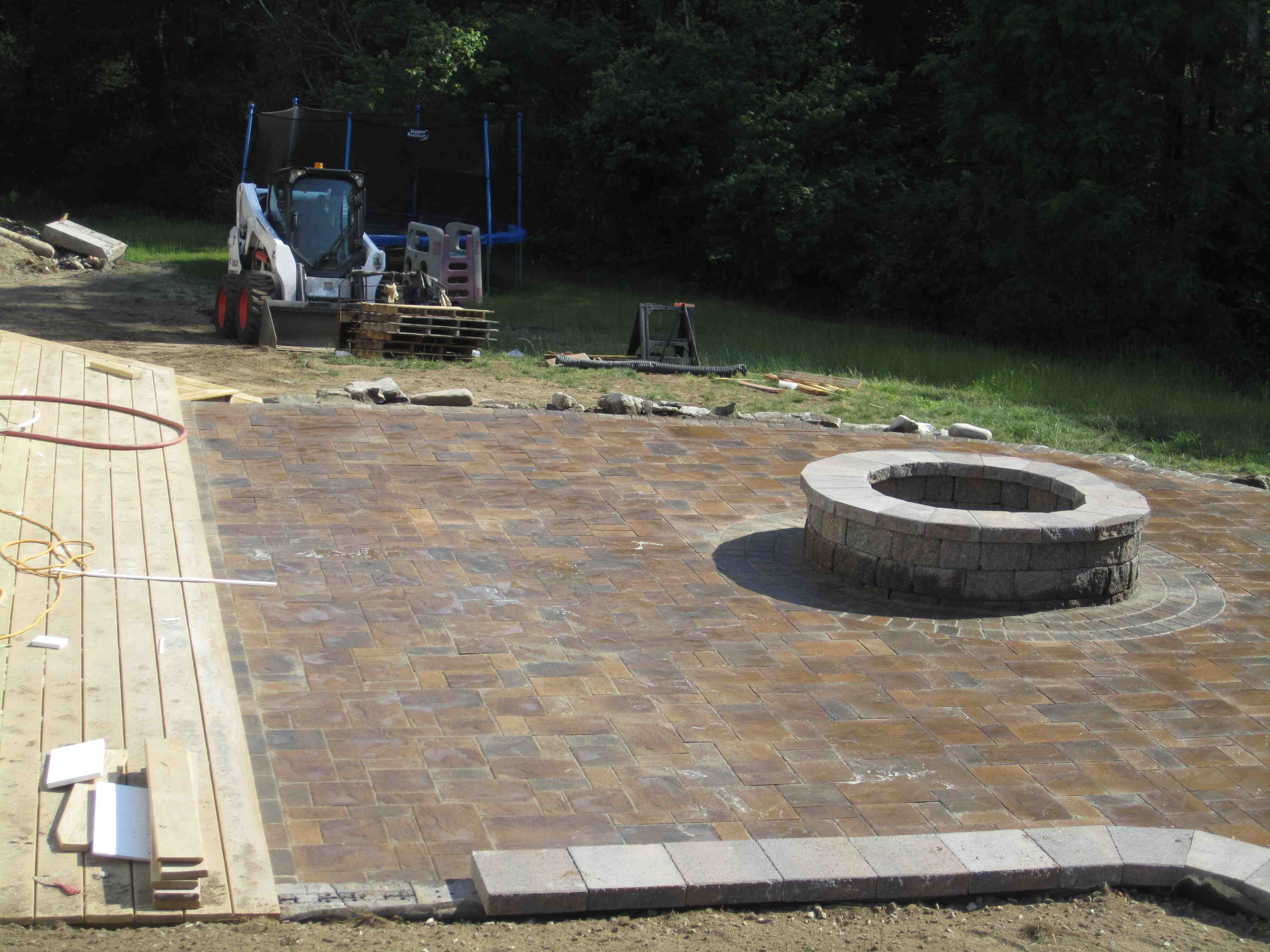
Understanding these materials can help you make an informed decision that fits your budget, aesthetic preferences, and maintenance expectations.
Next, we’ll dive into evaluating your specific patio needs, including how to measure your outdoor space and choose the right materials.
Before diving into a patio installation project, it’s crucial to evaluate your specific needs. This involves measuring your outdoor space, selecting materials, considering design preferences, setting a budget, and understanding maintenance expectations.
First, measure your outdoor area accurately. Use a tape measure to get the length and width of the space where you plan to install the patio.
Tip: Sketch a simple layout of your yard, marking the dimensions. This will help you visualize where everything will go.
Choosing the right material is key to a successful patio. Different materials offer various benefits and drawbacks:
Fact: Concrete is highly durable and requires minimal upkeep, making it a popular choice for many homeowners.
Your patio should reflect your personal style and meet your functional needs. Think about how you plan to use the space:
Quote: “Imagine stepping out onto your patio and being transported to a serene and inviting space where you can relax, entertain, and create lasting memories.”
Setting a budget helps you prioritize features and materials. Here’s a breakdown of what to consider:
Tip: Get multiple quotes from contractors to compare costs and services.
Different materials have different maintenance needs:
Story: Tim Rueda shared his positive experience with Affordable Patio, noting that the team planned and executed the project thoroughly, ensuring minimal maintenance issues later.
Armed with this information, you’re well-prepared to start planning your patio installation. Next, we’ll explain the installation process step-by-step, ensuring you know what to expect.
Understanding the patio installation process helps you appreciate the work involved and ensures you know what to expect. Here’s a step-by-step guide to how professionals install a patio:
First, the installation team measures your outdoor space. Accurate measurements are crucial for planning the layout and ordering the right amount of materials.
Example: Kristina’s crew carefully measured her backyard to ensure the new patio would fit perfectly with the existing landscape.
Next, they dig out the area where the patio will go. This step involves removing grass, roots, and rocks to create a clean slate. The depth of the dig depends on the type of patio being installed.
Tip: For a standard paver patio, expect a dig depth of about 6-8 inches.
After digging, the team adds a layer of gravel. This base layer provides stability and aids in drainage. The gravel is compacted using a plate compactor to create a solid foundation.
Fact: Compacting gravel is essential to prevent future sinking and shifting of the patio.
The next step is to add a layer of sand or paver base material over the compacted gravel. This layer is carefully leveled to ensure the pavers will sit evenly.
Quote: “Proper leveling is key to a long-lasting patio,” says a professional from Greater Orlando Lawnscapes Inc.
With the base prepared, the pavers are laid out according to the design plan. Professionals often start from one corner and work their way out, ensuring each paver is snug and level.
Story: A client in Oviedo, Florida, was amazed at how quickly and precisely the pavers were laid, changing their outdoor space in just a few days.
Once all the pavers are in place, sand is swept into the cracks between them. This process, called jointing, locks the pavers in place and prevents weeds from growing.
Tip: Using polymer sand can provide extra durability and prevent erosion.
By understanding these steps, you can better appreciate the craftsmanship involved in patio installation services. Next, we’ll discuss how to choose the right contractor to ensure a seamless installation.
When it comes to patio installation services, selecting the right contractor can make all the difference. Here are key factors to consider:
A reputable contractor should offer a free consultation. This allows you to discuss your project, get professional advice, and understand what to expect.
Experience is crucial. Look for contractors who have been in business for several years, showcasing their expertise and reliability. Experienced contractors are more likely to handle unexpected challenges efficiently.
Always choose a licensed and insured contractor. This protects you from liability in case of accidents or damages during the project.
Customer reviews offer valuable insights into a contractor’s reliability and quality of work. For instance, one client mentioned, “I have used McLeod Landscaping three times now for different projects and I have always been happy with their service.”
A portfolio showcases a contractor’s craftsmanship and versatility. Reviewing past projects can help you gauge their ability to meet your design preferences.
A detailed cost estimate is essential. It should include material costs, labor, and any additional features, ensuring transparency and helping you budget effectively.
By focusing on these factors, you can select a contractor who will deliver high-quality patio installation services. Next, we’ll discuss how to choose the right contractor to ensure a seamless installation.
When planning for a patio installation, understanding the costs involved is crucial. Let’s break down the key factors that will impact your budget.
The average cost of installing a paver patio is around $3,800 for a standard 280-square-foot area. However, prices can range from $2,400 up to $7,000. This variation depends on factors like the patio size, material choice, and additional features.
Material costs can vary widely based on what you choose:
Choosing the right material is essential for balancing cost and appearance. For example, concrete is affordable and durable, while flagstone offers a natural look but at a higher price.
Labor costs will also affect your budget. Most professionals charge between $2 to $4 per square foot for labor. Complex designs or larger patios can increase labor costs due to additional time and expertise required.
Adding features like outdoor kitchens, fire pits, or intricate patterns can increase costs. For instance:
These features improve your patio but also add to the overall expense.
Maintenance costs are another consideration. Paver patios generally require less maintenance than concrete patios. A paver patio has an impressive ROI of around 80%, while concrete patios offer a 60% to 70% ROI. Regular maintenance like sealing and cleaning can help extend the life of your patio.
When planning your patio project, consider all these factors to create a realistic budget. Investing in quality materials and professional installation can save you money on repairs and maintenance down the line.
By understanding these cost considerations, you can make informed decisions that align with your budget and goals. Next, let’s explore how to improve your patio and outdoor space.
Creating a beautiful and functional outdoor space goes beyond just installing a patio. Let’s dive into some ideas that can lift your patio experience.
Landscaping around your patio can transform it into a stunning outdoor oasis. Here are some simple ideas:
Proper outdoor lighting extends the usability of your patio into the evening and creates a warm ambiance. Here are some options:
Adding a water feature can make your patio a serene and inviting space. Consider these options:
Selecting the right outdoor furniture is crucial for comfort and style. Here’s what to look for:
Regular maintenance ensures your patio remains beautiful and functional. Here are some simple tips:
By incorporating these elements, your patio can become a true extension of your home—a place for relaxation, entertainment, and making memories. Next, let’s look at some practical steps for choosing the right contractor to bring your vision to life.
Choosing the right contractor for your patio installation services is crucial for ensuring a successful project. At McLeod Landscaping, we are committed to changing your outdoor space into a beautiful and functional area that you can enjoy for years to come.
When it comes to creating the perfect outdoor space, McLeod Landscaping is your go-to source for professional patio installation services. Our dedication to quality, customer service, and attention to detail ensures that your patio project is a success.
Contact McLeod Landscaping today to schedule a consultation and take the first step toward creating the outdoor oasis of your dreams. Let us help you turn your patio and deck dreams into reality.
Contact McLeod Landscaping today at (978) 640-0957 or click here to schedule a consultation for retaining wall installation. Let our experienced team design and install a functional and visually appealing retaining wall that enhances your landscape.


1881 Main St Unit 1, Tewksbury, MA 01876