
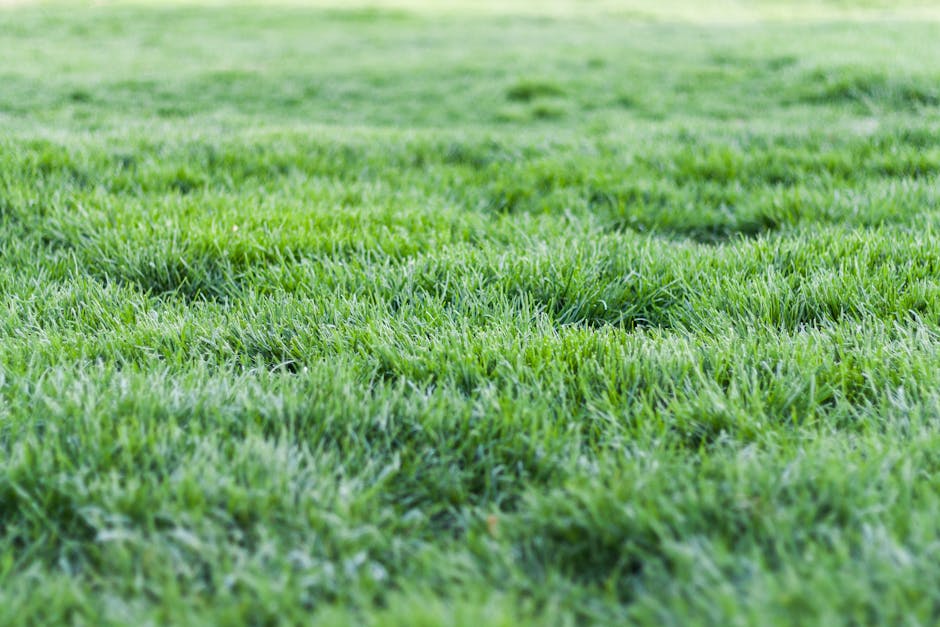
Hydro seed is the modern solution for swiftly changing bare patches of land into lush lawns. Rather than scattering grass seed by hand or laying costly sod, hydro seed offers a balanced blend of seeds, water, and nutrients sprayed over prepared soil, which ensures uniform growth. It’s known for:
As someone who’s dedicated over 30 years to crafting beautiful landscapes, I’m Scott McLeod of McLeod Landscaping. With our expertise in hydro seed, our team delivers verdant lawns efficiently and effectively, ensuring both beauty and sustainability.
Glossary for hydro seed:
– hydromulching near me
– hydroseeder near me
– hydroseeding near me
Hydro seeding, also known as hydraulic mulch seeding or hydro-mulching, is a modern planting technique that combines seeds, mulch, water, and nutrients into a slurry. This mixture is then sprayed over prepared soil to establish vegetation quickly and evenly. Developed in the 1940s by Maurice Mandell of the Connecticut Highway Department, hydro seeding was initially used to cover steep, hard-to-reach slopes along highways. Today, it’s a go-to method for both residential and large-scale projects due to its efficiency and versatility.
The process begins with the preparation of a slurry, a blend of:
This slurry is loaded into a hydroseeder, a machine designed to spray the mixture evenly over the ground. The equipment can range from truck-mounted tanks for large areas to smaller, portable units for residential use.
The mulch in hydro seeding is crucial. It stabilizes the seeds, protects them from the elements, and supports germination. Common types of mulch include:
Fertilizers are custom to the soil’s needs, often determined through soil testing. This customization ensures that the grass grows healthy and strong, reducing the risk of failure.
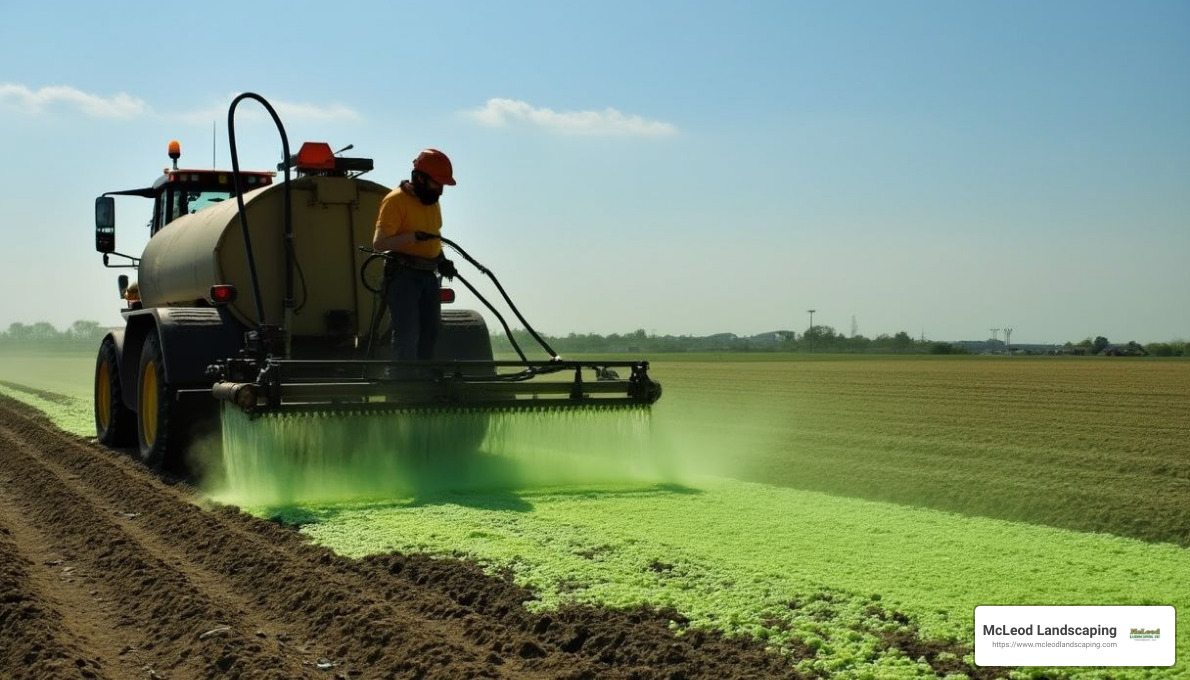
Hydro seeding has evolved significantly since its inception. Originally a solution for highway slopes, it has expanded to various applications, including wildfire recovery and erosion control on construction sites. The technique’s adaptability and effectiveness have made it a popular choice worldwide for creating lush, green landscapes efficiently.
In summary, hydro seeding is a versatile and efficient method of establishing vegetation. Its ability to deliver quick, uniform growth makes it an attractive option for both homeowners and large-scale projects. Whether you’re looking to beautify your lawn or stabilize a hillside, hydro seeding offers a reliable solution.
When it comes to hydro seeding, the magic happens in the slurry mixture and the application process. Let’s break it down step-by-step.
The slurry is the heart of hydro seeding. It combines several essential components:
This mixture is vital because it helps seeds germinate quickly and protects them from the elements.
Once your slurry is ready, it’s time to apply it. This is where the hydroseeder comes in. Think of it as a giant spray machine:
The equipment you use can vary based on the size of the area you’re covering:
The choice of equipment affects how quickly and effectively you can apply the slurry, so it’s an important consideration.
Hydro seeding is all about combining the right ingredients and using the right tools to apply them. With the slurry mixture and application process working together, you can transform bare soil into a lush, green landscape efficiently.
Next up, let’s explore the benefits that make hydro seeding a popular choice for both homeowners and large-scale projects.
Hydro seeding offers a range of benefits that make it an attractive option for both residential and commercial projects. Let’s explore why this method stands out.
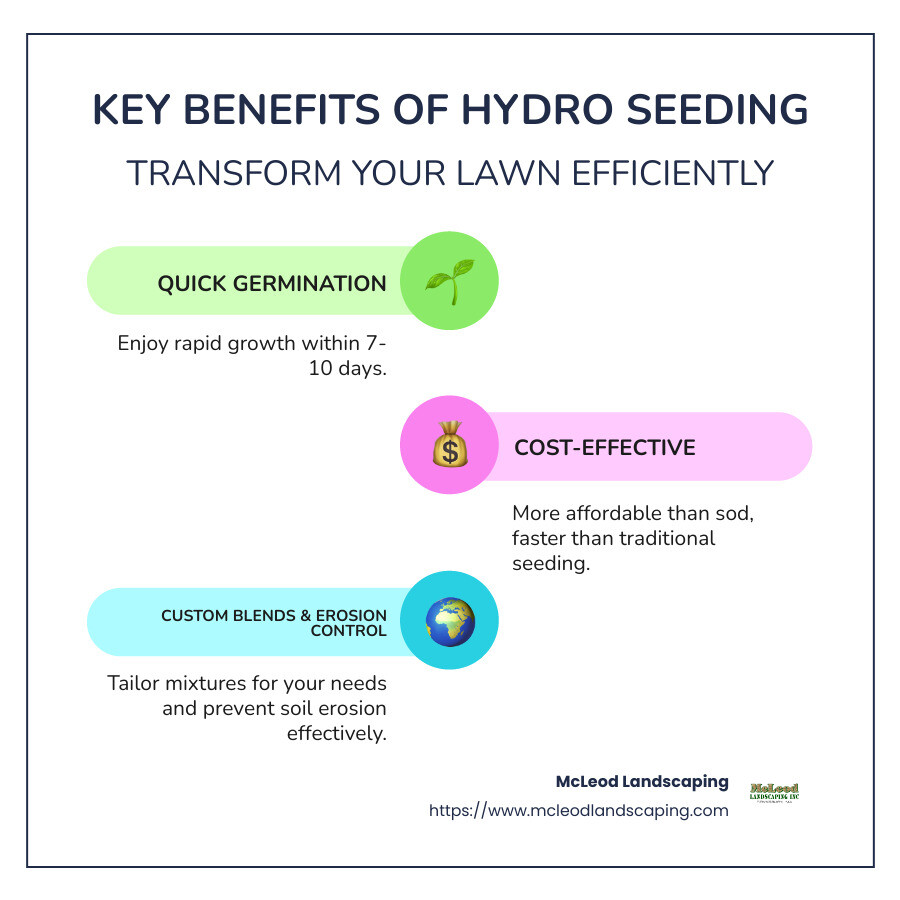
One of the standout advantages of hydro seeding is its ability to control erosion effectively. The mulch in the slurry forms a protective “blanket” over the soil. This not only keeps the seeds in place but also stabilizes the soil, preventing erosion from wind or water. This makes hydro seeding particularly beneficial for sloped areas or sites affected by construction.
Speed is another key benefit. Hydro seeding promotes fast germination because the seeds are in direct contact with water and nutrients from the start. The mulch retains moisture, ensuring the seeds stay hydrated and germinate quickly. Typically, you can see sprouts in as little as 5 to 7 days, with a fully walkable lawn in about 5 weeks.
Compared to laying sod, hydro seeding is a more economical choice. While sod provides an instant lawn, it comes at a higher price. Hydro seeding offers a lush, green lawn at a fraction of the cost. It’s less expensive than sod and faster than traditional seeding, making it a cost-effective middle ground.
Customization is where hydro seeding truly shines. You can tailor the slurry mixture to suit your specific needs. Choose the type of grass seed that thrives in your climate or select a blend that resists drought or disease. The flexibility in seed selection, mulch type, and additives means you can create a lawn that perfectly fits your environment and aesthetic preferences.
These benefits make hydro seeding a versatile and efficient method for establishing a beautiful lawn. Whether you’re looking to prevent erosion, save money, or customize your landscape, hydro seeding provides a practical solution.
In the next section, we’ll guide you through the steps of hydro seeding your lawn, from preparation to maintenance.
Hydro seeding your lawn might sound complex, but with the right steps, it becomes a straightforward process. Let’s break it down into simple stages: preparation, soil testing, slurry preparation, application, and maintenance.
Start by preparing the ground. Hydro seeding works best on bare soil, so clear the area of any weeds, rocks, or debris. This clean slate ensures that the seeds have direct contact with the soil, which is crucial for germination.
Next, grade the soil. Create a smooth surface to ensure even application of the slurry. If the ground is compacted, loosen it to help the seeds establish roots more easily.
Testing your soil is a must. Most grasses thrive in soil with a pH between 6.5 and 7. Use a soil test kit to check your soil’s pH and nutrient levels. If adjustments are needed, consider adding lime to increase pH or sulfur to decrease it. Compost or organic matter can also improve soil fertility.
The slurry is the heart of the hydro seeding process. It’s a mix of water, seeds, mulch, and other additives like fertilizers and tackifiers. Here’s a simple order to follow when preparing your slurry:
Mix until the slurry has a consistent texture, ensuring all components are well combined.
With your slurry ready, it’s time to apply it to your prepared ground. Use a hydroseeder to spray the mixture evenly across the soil. Ensure uniform coverage for the best results. If your hydroseeder has a hose or tower, choose the method that suits your area size and terrain.
After application, proper maintenance is crucial. Water the area lightly but consistently, keeping the soil moist without causing runoff. Frequent, gentle watering helps the seeds germinate and take root.
Avoid walking on the newly hydro seeded area for at least 5 weeks to allow the grass to establish. Once the grass reaches about 3 to 4 inches in height, you can mow it for the first time. Remember to only trim the top third of the grass to promote healthy growth.
By following these steps, you’ll give your lawn the best start possible. In the next section, we’ll explore the differences between DIY hydro seeding and hiring professional services.
When it comes to hydro seeding, deciding whether to tackle the project yourself or hire a professional can be a tough choice. Both options have their pros and cons, so let’s break them down to help you make an informed decision.
DIY Hydro Seeding:
Professional Services:
DIY Hydro Seeding:
Professional Services:
DIY Hydro Seeding:
Professional Services:
DIY Hydro Seeding:
Professional Services:
In summary, DIY hydro seeding can be a rewarding challenge if you have the time and willingness to learn. It offers cost savings and flexibility but requires a significant time investment and carries a risk of errors. On the other hand, professional services provide expertise, efficiency, and peace of mind, often resulting in a lush, green lawn with less hassle.
Next, we’ll dive into the costs of hydro seeding and compare them with other methods like sod and traditional seeding.
When considering hydro seeding for your lawn, understanding the costs involved is crucial. Let’s explore the average costs, factors affecting prices, and how hydro seeding compares with sod and traditional seeding.
The typical cost of hydro seeding in the United States ranges between $0.21 and $0.26 per square foot. For an average lawn size of 6,000 to 10,000 square feet, you can expect to pay between $1,500 and $2,600. This price usually includes soil preparation, materials, and installation.
Several factors can influence the cost of hydro seeding:
Hydro Seeding vs. Sod:
Hydro Seeding vs. Traditional Seeding:

In summary, hydro seeding offers a middle ground between the high cost of sod and the slow growth of traditional seeding. It’s a cost-effective option for those seeking a lush lawn without breaking the bank.
Next, we’ll explore the best times to hydro seed, considering seasonal and climate factors for optimal growth.
Timing is everything when it comes to hydro seeding. Choosing the right season and conditions can make a big difference in how well your lawn grows.
Spring and Fall are the ideal seasons for hydro seeding. These times of the year offer mild temperatures and increased moisture, creating perfect conditions for seed germination.
Your local climate plays a crucial role in determining the best time to hydro seed. In regions with hot, dry summers, seeding in spring or fall helps avoid harsh conditions that can stress young grass.
For the best results, aim for these optimal conditions when planning your hydro seeding project:
By aligning your hydro seeding efforts with these seasonal and climate considerations, you set the stage for a lush, green lawn that flourishes with minimal intervention.
Next, we’ll dive into the various types of hydro seeding mixtures and how to choose the best one for your needs.
When it comes to hydro seeding, the mixture you choose is key to achieving a lush, green lawn. Let’s break down the main components: seed types, mulch types, fertilizers, and custom blends.
The type of seed you use is crucial. It determines the look and resilience of your lawn. Here are some popular seed options:
Choose a seed type that matches your local climate and soil conditions. This ensures your lawn thrives year-round.
Mulch is a vital component of the hydro seed slurry. It helps protect seeds and retain moisture. Here are some common types:
The right mulch choice depends on your budget and the level of protection your seeds need.
Fertilizers in the hydro seeding mix provide essential nutrients to support seed growth. They help seeds establish quickly and healthily. Look for fertilizers with:
A balanced fertilizer blend boosts germination rates and ensures a strong start for your lawn.
For those looking for custom solutions, custom blends are the way to go. You can adjust seed types, mulch, and additives to suit specific needs. This might include:
Custom blends offer flexibility, allowing you to address unique challenges and preferences.
By understanding these components, you can create a hydro seeding mixture that meets your specific needs. Next, we’ll explore the differences between DIY hydro seeding and professional services.
Yes, hydro seeding is an effective method for establishing a lush, green lawn. It combines grass seed, mulch, water, and fertilizer into a slurry that is sprayed onto the soil. This method is more efficient than traditional seeding because the mulch acts as a protective layer. It retains moisture and shields the seeds from wind and sun. According to experts, you can see grass sprouting within 7 to 10 days, and a fully established lawn in about two months, depending on the grass type and climate.
Absolutely, you can try DIY hydro seeding if you’re up for a challenge. Many garden stores offer starter kits that include the necessary ingredients and tools. However, keep in mind that DIY hydro seeding can be less effective than hiring a professional. You’ll need equipment like a hydroseeder, which can be rented for around $250 to $500 per day. Also, be prepared for an intensive watering routine in the first few weeks to ensure successful germination. If you’re on a budget, DIY might be the way to go, but professional services can save you time and ensure better results.
When comparing hydro seeding to traditional dry seeding, there are clear pros and cons to each method. Hydro seeding offers quicker germination and a more uniform lawn appearance. The mulch in the slurry helps to protect seeds from being washed away or eaten by birds. It’s also a great option for large areas or slopes where erosion is a concern. On the downside, it requires more initial watering and might not be as cost-effective for small areas.
On the other hand, dry seeding is less expensive and easier to do on your own. However, it takes longer to establish, and seeds are more vulnerable to environmental factors. In summary, if you need quick results and have a larger area to cover, hydro seeding might be the better choice. But for smaller lawns or if you’re working with a tight budget, dry seeding could be sufficient.
Next, we’ll dive into the costs associated with hydro seeding and how they compare to other lawn installation methods.
In conclusion, hydro seeding is a fantastic choice for anyone looking to establish a lush, green lawn quickly and efficiently. This method combines grass seed, mulch, water, and fertilizer into a slurry, which is then sprayed onto the soil. It’s an excellent solution for large areas and places where erosion control is necessary. With quick germination times and cost-effectiveness, it’s no wonder that more people are turning to hydro seeding over traditional methods.
At McLeod Landscaping, we offer professional hydro seeding services custom to meet your specific needs. With over 30 years of experience, we have the expertise to ensure your lawn thrives. We understand that every property is unique, which is why we provide customized solutions that fit your landscape perfectly. Our commitment to quality and customer satisfaction ensures that your outdoor space will be both beautiful and functional.
If you’re ready to transform your lawn with hydro seeding, we invite you to explore our residential landscaping services. Our team is here to help you every step of the way, from initial consultation to final implementation.
Contact us today to schedule a consultation and take the first step toward a greener, more beautiful lawn. At McLeod Landscaping, we’re not just planting grass; we’re helping you create the perfect backdrop for your family’s best memories.
Contact McLeod Landscaping today at (978) 640-0957 or click here to schedule a consultation for retaining wall installation. Let our experienced team design and install a functional and visually appealing retaining wall that enhances your landscape.


1881 Main St Unit 1, Tewksbury, MA 01876