
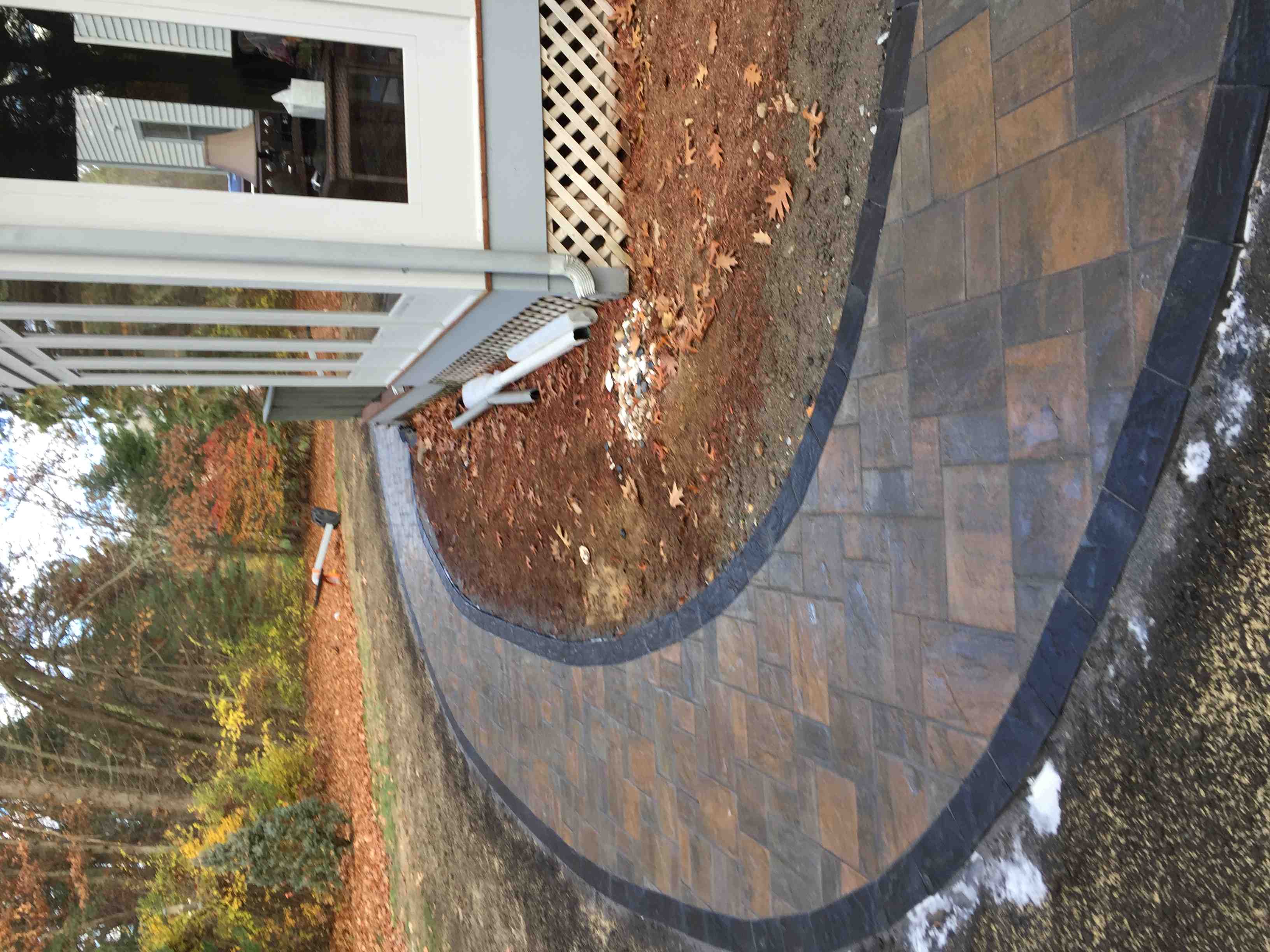
Landscaping bricks offer a versatile solution for changing outdoor spaces. Whether you’re revamping a commercial property’s curb appeal or enhancing a backyard, these bricks combine durability and style. Key choices include:
In the field of landscape design, hardscaping elements like walls, paths, and patios play a critical role. They lend structure and aesthetic value, seamlessly harmonizing with natural features. Hardscaping not only improves visual appeal but also contributes to the functionality and sustainability of outdoor spaces.
I’m Scott McLeod, the owner of McLeod Landscaping. With over 30 years of experience in landscaping and hardscaping, I have a deep understanding of landscaping bricks and their transformative potential. My team and I are committed to delivering exceptional outdoor spaces that stand the test of time.
Explore more about landscaping bricks:
– landscape walls
– landscape wall stone
– landscaping wall
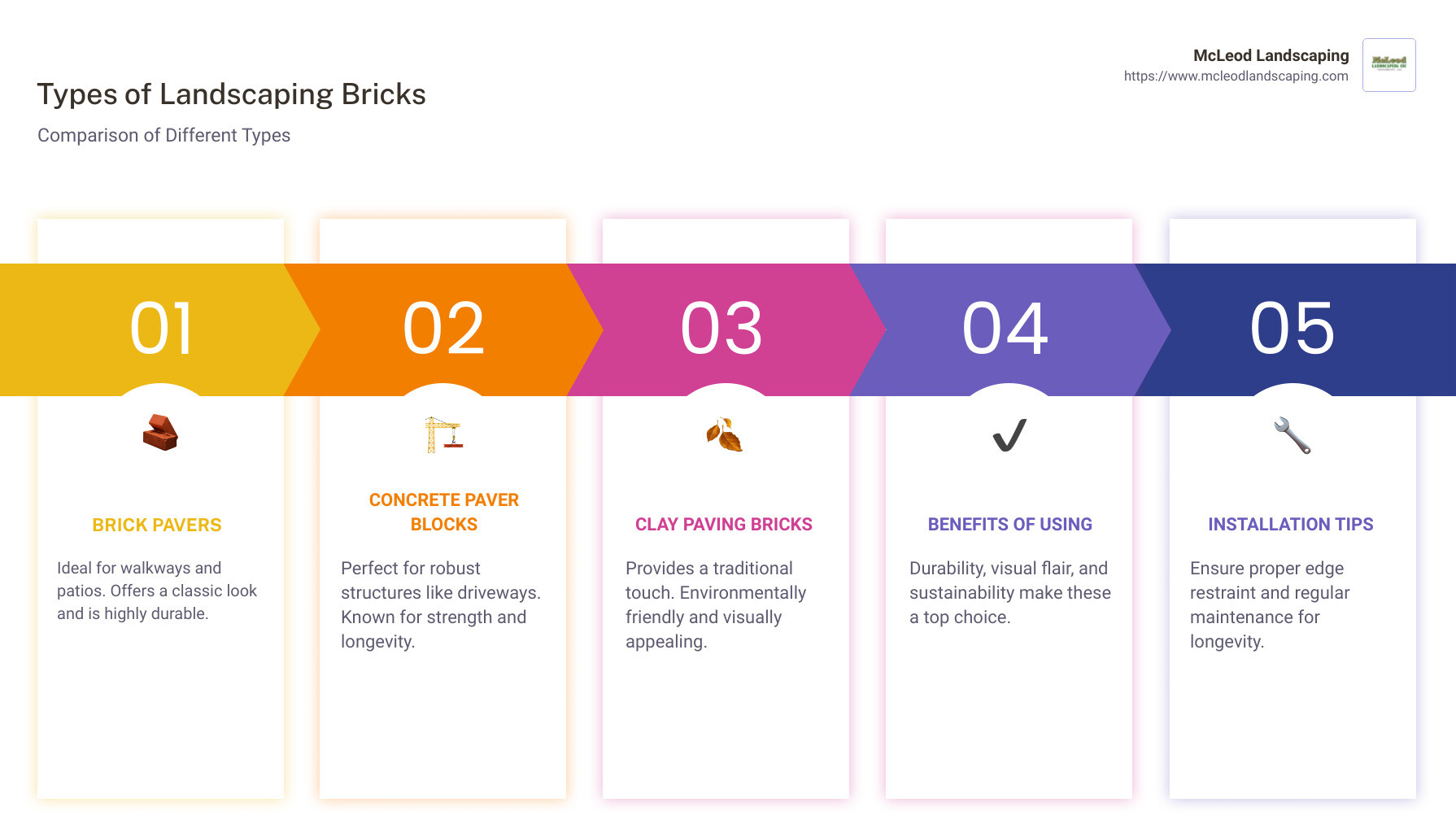
When it comes to landscaping bricks, there are three main types to consider: brick pavers, concrete paver blocks, and clay paving bricks. Each type has its unique benefits and ideal uses, making them suitable for different landscaping projects.
Brick pavers are a popular choice for creating neat walkways and patios. They are made from clay and come in a variety of colors and finishes. These pavers are known for their classic look and durability. They can withstand heavy foot traffic and are resistant to fading, which makes them ideal for outdoor spaces that get a lot of sun exposure.
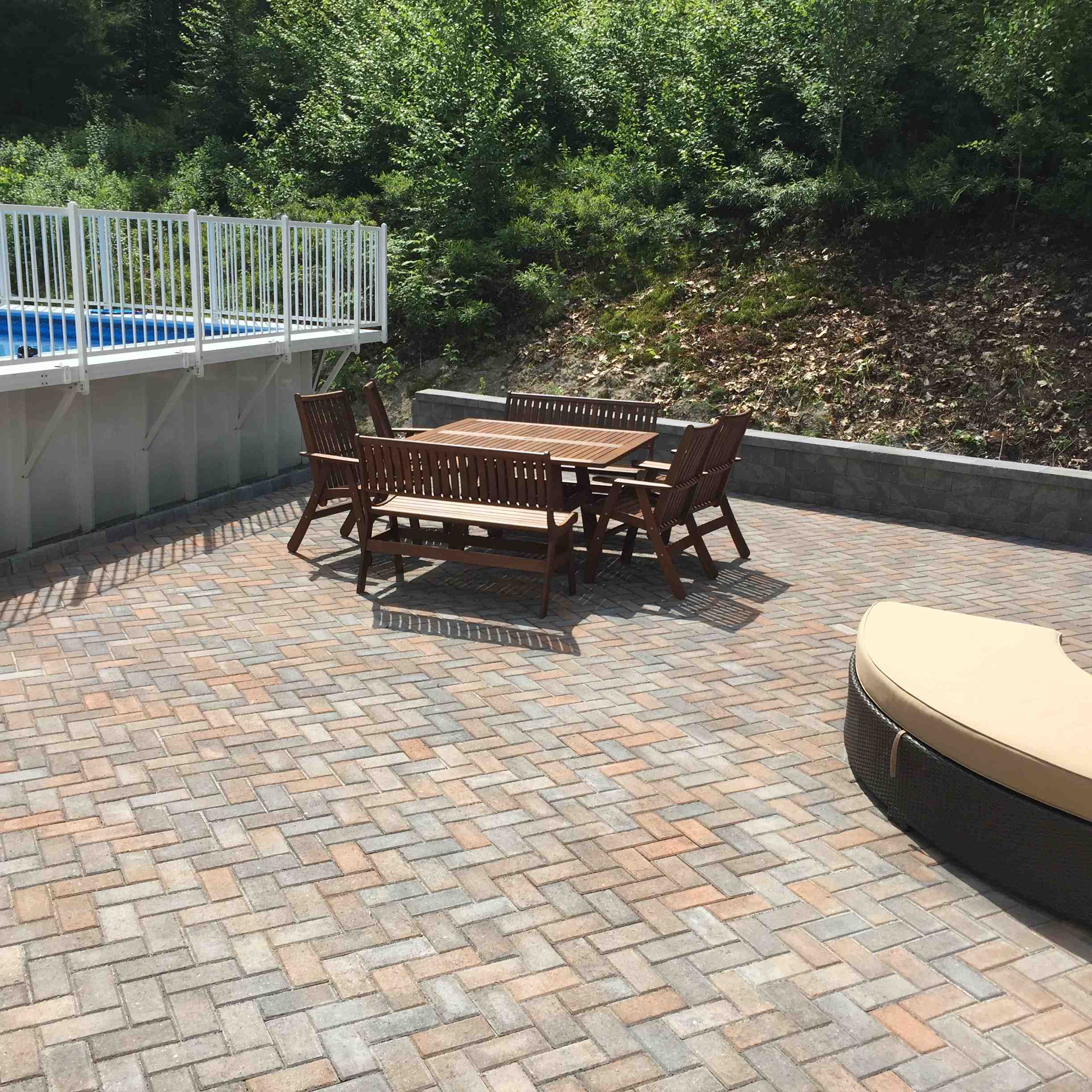
One of the advantages of brick pavers is their ease of maintenance. If a paver becomes damaged, it can be easily replaced without disturbing the surrounding bricks. This makes them a cost-effective option in the long run.
For more robust structures, concrete paver blocks are the go-to option. These blocks are made from a mixture of cement and aggregates, offering a wide range of shapes and sizes. They are incredibly versatile and can be used for everything from driveways to retaining walls.

Concrete paver blocks are known for their strength and durability. They can handle heavy loads and harsh weather conditions, making them suitable for areas with extreme climates. Plus, they come in various textures and colors, allowing for creative designs.
If you’re looking for a traditional touch, clay paving bricks are an excellent choice. These bricks have been used for centuries and are known for their warm, natural tones. They are made from natural clay and are fired at high temperatures, giving them a rich color that doesn’t fade over time.
Clay paving bricks are perfect for creating a rustic, charming look in gardens or historical properties. They are also environmentally friendly, as they are made from natural materials and can be recycled.
In summary, choosing the right type of landscaping bricks depends on your project’s needs and aesthetics. Whether you prefer the classic appeal of brick pavers, the strength of concrete paver blocks, or the traditional charm of clay paving bricks, there is a perfect option for every outdoor space.
When selecting materials for your outdoor space, landscaping bricks offer several compelling benefits. Let’s explore how these bricks can improve your project through durability, visual flair, and sustainability.
Landscaping bricks are incredibly durable, making them a long-lasting choice for outdoor projects. Whether you’re dealing with foot traffic or harsh weather, these bricks stand the test of time. Concrete paver blocks, for instance, are famed for their ability to bear heavy loads and resist erosion.
“Landscaping structures built with concrete block can last for decades with minimal upkeep,” notes industry experts.
This resilience means you spend less time and money on repairs, offering a great return on investment.
Adding landscaping bricks to your design brings visual flair to any outdoor space. With a variety of colors, textures, and patterns available, these bricks can transform an ordinary yard into an extraordinary landscape. Brick pavers, with their classic look, are perfect for creating neat walkways and patios that catch the eye.
The ability to mix and match different styles allows you to create a unique aesthetic that complements your home. Whether you prefer the rustic charm of clay paving bricks or the modern look of concrete pavers, there’s an option to suit every taste.
Sustainability is more important than ever. Landscaping bricks contribute to eco-friendly landscaping by using natural and recyclable materials. Clay paving bricks, for example, are made from natural clay and can be recycled, reducing waste and conserving resources.
Moreover, incorporating sustainable practices in landscaping can lead to financial benefits. Some cities offer tax deductions and rebates for using eco-friendly materials, helping you save money while being kind to the planet.
By choosing landscaping bricks, you’re not just enhancing your outdoor space; you’re making a choice that benefits the environment and your wallet.
Next, we’ll dive into how to choose the right landscaping bricks for your specific needs, considering factors like patio pavers, brick edging, and retaining walls.
Choosing the right landscaping bricks can make a big difference in your outdoor projects. Whether you’re building a patio, adding brick edging, or constructing retaining walls, here’s what you need to know.
Patio pavers are a popular choice for creating outdoor living spaces. They come in various shapes, sizes, and colors, allowing you to customize your patio to match your style. When selecting patio pavers, consider the following:
Adding brick edging can define garden beds, pathways, and other landscape features. It not only improves the visual appeal but also helps contain soil and mulch. When choosing bricks for edging, keep these tips in mind:
Retaining walls serve both functional and decorative purposes. They help manage soil erosion and create level areas in sloped landscapes. To choose the right bricks for retaining walls, consider:
By understanding these key factors, you can select the perfect landscaping bricks for your project, ensuring a beautiful and functional outdoor space. Next, let’s explore some installation tips to make your brick project a success.
Installing landscaping bricks can seem daunting, but with the right approach, it becomes manageable and rewarding. Here are some tips to help you achieve a professional finish.
Many landscaping bricks are designed for easy installation, making them ideal for DIY enthusiasts. Look for bricks that come with installation guides or kits. These often include step-by-step instructions and all the necessary components, such as spacers and connectors, to streamline the process.
Edge restraint systems are crucial for keeping your bricks in place. These systems prevent shifting and maintain the structure’s integrity over time. Here’s what you need to know:
Once your landscaping bricks are installed, regular maintenance will keep them looking their best. Here are some simple maintenance tips:
By following these installation and maintenance tips, you can ensure your landscaping bricks stay secure and beautiful for years to come. Now, let’s move on to some frequently asked questions about landscaping bricks.
Landscaping bricks come in various names depending on their use and features. Commonly, they are known as brick pavers, which are often used for creating flat surfaces like patios and walkways. These pavers are typically made from clay or concrete and are designed to withstand heavy foot traffic and weather changes.
Another term you might encounter is paver edge. This refers to the edging bricks that define the boundaries of a paved area. These are essential for keeping the layout neat and preventing the bricks from shifting.
Ensuring your landscaping bricks stay in place involves a few key strategies. One effective method is using plastic edge restraints. These flexible strips are installed around the perimeter of your brick layout to hold the bricks tightly together. They are secured with spikes or stakes driven into the ground.
For more substantial projects, a concrete curb can be a durable option. This involves creating a concrete border that acts as a barrier, providing a robust hold to prevent shifting.
Another important consideration is addressing potential issues like spalling and frost damage. Spalling occurs when bricks flake or chip due to moisture and freeze-thaw cycles. To minimize this, choose nonporous bricks, which are less likely to absorb water and suffer from frost damage.
When it comes to edging, brick pavers are a popular choice. These are typically flat and designed to line the borders of gardens, paths, or patios. The key is to select bricks that are durable and suitable for outdoor use.
Nonporous bricks are ideal for edging as they resist water absorption, reducing the risk of damage from freeze-thaw cycles. This makes them a reliable choice for maintaining the integrity of your landscape design.
For those interested in sustainable options, reclaimed bricks can also be used for edging. These bricks not only add a rustic charm but also contribute to an eco-friendly landscape by repurposing materials.
Understanding these elements will help you make informed decisions when choosing and installing landscaping bricks. Now, let’s dig into how McLeod Landscaping’s comprehensive services can further assist you in achieving your outdoor design goals.
At McLeod Landscaping, we take pride in offering comprehensive services that cater to all your landscaping needs. Whether you’re looking to create a stunning patio, a robust retaining wall, or charming garden edging, our team is equipped with the expertise and experience to bring your vision to life.
Based in the picturesque Merrimack Valley, we specialize in both residential and commercial projects, ensuring that every outdoor space we work on is transformed into a functional and beautiful extension of your home or business. Our commitment to quality craftsmanship and sustainable practices means that your landscape will not only look great but also stand the test of time.
With over 30 years in the industry, McLeod Landscaping understands the unique challenges and opportunities of the Merrimack Valley climate. We use this knowledge to recommend the best landscaping bricks and materials suited to the local environment, ensuring durability and low maintenance for your outdoor spaces.
Our team is dedicated to providing exceptional service from start to finish. We believe in clear communication and personalized solutions to meet your specific needs. Whether you’re planning a simple garden makeover or a complex hardscaping project, we are here to guide you every step of the way.
Ready to improve your outdoor space with expert landscaping and hardscaping services? Contact us today to schedule a consultation and find how our comprehensive services can make your landscape dreams a reality. At McLeod Landscaping, we’re not just building landscapes; we’re crafting the backdrop for your family’s best memories.
Contact McLeod Landscaping today at (978) 640-0957 or click here to schedule a consultation for retaining wall installation. Let our experienced team design and install a functional and visually appealing retaining wall that enhances your landscape.


1881 Main St Unit 1, Tewksbury, MA 01876