
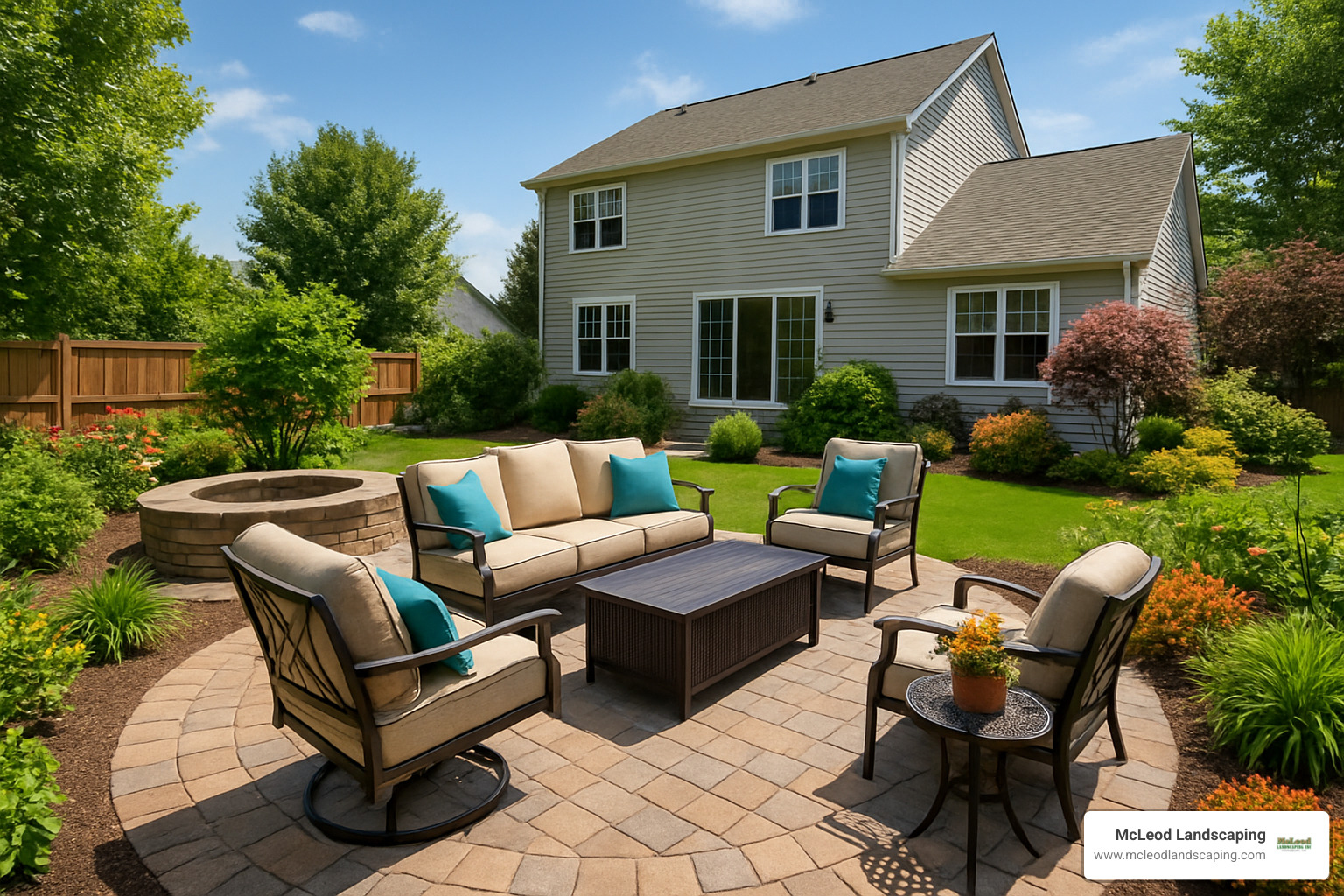
A patio contractor is a professional specializing in the design and installation of outdoor living spaces using materials like pavers, concrete, natural stone, and brick. When looking for a patio contractor, here’s what you need to know:
Changing your backyard into a beautiful, functional outdoor living space requires expertise and careful planning. The right patio contractor brings not only technical skills but also design vision to create an area that improves your property value while providing a perfect setting for relaxation and entertainment.
Professional patio installation offers numerous advantages over DIY approaches. A skilled patio contractor ensures proper site preparation, drainage, and material selection—critical factors that determine whether your patio will last for decades or develop problems within a few seasons. With proper installation, a paver patio can last 25-50 years, making it a worthwhile investment in your property.
Adding a professionally designed patio can increase your home’s resale value by up to 12%, with an average ROI between 30% and 60%. This makes working with a reputable patio contractor not just about creating an enjoyable space, but also a smart financial decision for homeowners.
I’m Scott McLeod, owner of McLeod Landscaping with over 30 years of experience collaborating with homeowners to design and build custom patios that transform outdoor spaces, and as a patio contractor serving the Merrimack Valley area, I’ve seen how the right outdoor living space can dramatically improve a property’s value and livability.
Patio contractor terms made easy:
– concrete pavers installation services
– patio cover contractors near me
– patio repairs near me
A patio contractor does far more than simply arrange stones in your yard. These skilled professionals orchestrate the entire change of your outdoor living space, handling everything from initial concept to final finishing touches. At McLeod Landscaping, we take pride in managing every aspect of your patio creation journey.
Before any stones are laid, we begin with comprehensive site preparation. This critical first step involves evaluating your property’s unique terrain, addressing potential drainage issues, and properly preparing the ground for construction. Without this foundation work, even the most beautiful patio can develop frustrating problems like settling, cracking, or water pooling after just a few seasons.
“I always tell homeowners that what happens below the surface is just as important as what you see above it,” explains our lead installer. “A properly prepared base is the difference between a patio that lasts decades and one that needs repairs after just a few years.”
Navigating permits and local building codes is another valuable service your patio contractor provides. Different towns throughout the Merrimack Valley have varying requirements for setbacks from property lines, limits on impervious coverage, and sometimes even design restrictions in certain neighborhoods or historic districts. We handle these administrative problems for you, saving you time and preventing potential headaches down the road.
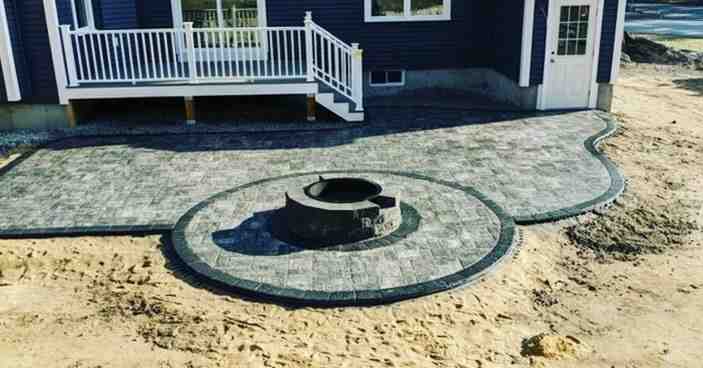
The design consultation phase is where your vision really begins to take shape. We’ll sit down together to understand how you plan to use the space, what aesthetic appeals to you, and what your budget allows. Many clients are surprised by how many options exist beyond basic rectangular patios – from curved designs that complement your landscape to multi-level spaces that solve grading challenges while creating visual interest.
More info about Patio Installation Services
When you partner with a professional patio contractor like McLeod Landscaping, you gain access to a comprehensive suite of services designed to make your outdoor living dreams a reality:
Our process begins with a thorough consultation where we walk your property together, discuss your vision, and identify both opportunities and potential challenges. We’ll talk about how you plan to use the space, whether for intimate family gatherings or larger entertaining needs.
Modern technology allows us to create detailed 3D renderings that bring your patio concept to life before breaking ground. These visual aids help you make confident decisions about layout, materials, and special features. As one Tewksbury client told us, “Seeing the virtual model completely changed our perspective – we realized we wanted a larger fire pit area than we initially thought.”
Material sourcing is another critical service we provide. With over three decades of experience, we’ve built strong relationships with quality suppliers throughout Massachusetts. This allows us to secure the best materials for both your visible surfaces and the crucial base layers that ensure longevity through our harsh New England winters.
The installation itself is where craftsmanship truly matters. Our experienced teams handle everything from precise excavation and proper base compaction to expert placement of your chosen materials and meticulous finishing work. We pay special attention to proper sloping for drainage – an often overlooked detail that prevents water pooling and potential damage.
Once your beautiful new patio is complete, we conduct a thorough cleanup, removing all excess materials and ensuring your property is left pristine and ready to enjoy.
The difference between a DIY patio project and professional installation often becomes apparent after a few seasons – and it all comes down to the details that ensure long-term performance. Professional patio contractors implement several techniques that dramatically extend the life of your outdoor living space:
Base compaction is perhaps the most crucial element that separates professional work from amateur attempts. We use commercial-grade equipment to achieve optimal density for the base material, typically creating multiple layers that are individually compacted to prevent the settling and shifting that leads to uneven surfaces and tripping hazards.
Joint sand might seem insignificant, but it plays a vital role in paver patios. We use specific grades of jointing sand and often apply polymeric sand that hardens when wet to lock pavers in place while maintaining enough flexibility for seasonal ground movement. This simple detail prevents weed growth between pavers and helps maintain a clean, finished appearance for years.
Proper edge restraints are another professional touch that prevents the outward migration of pavers over time. These can be visible decorative borders or hidden restraints that maintain the integrity of your patio’s perimeter through freeze-thaw cycles.
Depending on your chosen materials, we may recommend applying sealers that improve color, prevent staining, and increase durability. These protective treatments can significantly extend your patio’s life while reducing maintenance requirements – a small investment that pays dividends in longevity.
Perhaps most importantly, reputable patio contractors stand behind their work with meaningful warranties. At McLeod Landscaping, we provide lifetime workmanship guarantees on our installations, giving you confidence that your investment is protected for the long term.
This comprehensive approach to quality ensures your patio remains beautiful and functional for decades rather than years, making professional installation a wise investment in your property’s value and your family’s enjoyment.
The age-old question: should you tackle that patio project yourself or call in a patio contractor? While DIY home improvement shows make patio installation look deceptively simple, there’s much more beneath the surface than meets the eye.

I’ve seen the look of pride on homeowners’ faces when they admire their newly completed professional patio – and unfortunately, I’ve also seen the disappointment when DIY projects start to fail after just a season or two. Industry surveys show that over 70% of homeowners rank outdoor living spaces among their top home improvement priorities, but many underestimate what proper installation truly involves.
Let’s break down what you’re really choosing between:
| Aspect | DIY Approach | Professional Contractor |
|---|---|---|
| Cost | Lower initial investment | Higher upfront cost but better long-term value |
| Time | Weeks to months (part-time work) | 2-4 weeks typically (full-time work) |
| Equipment | Rental fees for specialized tools | Included in service |
| Materials | Retail pricing, limited selection | Wholesale pricing, wider selection |
| Knowledge | Learning curve, potential mistakes | Years of experience, proven techniques |
| Warranty | None or limited material warranties | Workmanship warranty (often 5+ years) |
| Resale Value | Potentially lower if imperfections exist | Up to 12% increase in home value |
| Longevity | Varies widely based on skill level | 25-50 years for properly installed pavers |
“I hate to say it, but about half the DIY patio projects I see need complete renovation within just a few years,” our lead installer often tells clients. “The usual suspects are poor drainage causing sinking spots, inadequate base preparation leading to shifting pavers, and choosing materials that just can’t handle New England winters.”
Beyond the visible aspects, professional patio contractors steer hidden challenges that can blindside DIYers – like unexpected utility lines lurking underground, soil that’s more problematic than it appears, tricky grade changes that require retaining walls, and the maze of local building codes and permits that vary by town.
I’m all for DIY spirit – there’s something deeply satisfying about creating with your own hands. But knowing when to bring in professionals can save you time, money, and frustration in the long run.
DIY might be a reasonable approach if you’re creating a small, simple gravel pad for garden seating or a basic temporary space. If you’re working with extreme budget constraints where any improvement is better than none, going it alone might make sense. And yes, if you happen to have significant hardscaping experience already, you might be equipped for the challenge.
“For first-timers interested in DIY, I always suggest starting small,” our design consultant advises clients. “Try an 8×8 paver pad as your training ground. It’s manageable but will quickly show you what you’re in for with larger projects.”
On the flip side, calling a professional patio contractor becomes almost essential when your project includes any complexity. This includes patios larger than 100 square feet, properties with drainage concerns or significant slopes, or designs with multiple elevations. Natural stone installation, particularly flagstone, requires specialized skills, as do permeable paver systems designed to manage stormwater. If you’re planning heavy features like outdoor kitchens or structural elements like retaining walls, professional installation isn’t just preferable – it’s practically necessary.
These scenarios demand specialized knowledge and equipment most homeowners simply don’t have access to, making professional installation the wiser choice both financially and functionally.
That initial quote from a patio contractor might make your eyes widen, but the apparent savings of DIY often evaporate quickly when you account for the full picture.
Equipment rental costs add up fast. Professional-grade plate compactors, wet saws for cutting pavers, laser levels, and sometimes mini-excavators can add hundreds or even thousands to your budget – for tools you’ll use once and return.
Material waste hits DIYers particularly hard. While professionals typically keep waste under 5%, DIY projects often waste 15-20% of materials through ordering errors, improper cuts, and damage during installation.
Permit problems can be costly surprises. Many homeowners don’t realize permits are required until they receive a notice of violation. In some towns, these fines exceed $1,000, plus you’ll still need to pay for proper permits and possibly remediation.
Rework costs are perhaps the most painful hidden expense. “At least once a month, we’re called to completely redo a failed DIY patio,” our project manager notes with sympathy in his voice. “The hardest part is telling homeowners that we can’t just fix the surface issues – we need to start from scratch because the problems are in the foundation layers.”
Property value impacts cut both ways. While professionally installed patios can boost home value by up to 12%, poorly executed DIY projects can become negotiation points that reduce your selling price or turn away potential buyers.
Liability concerns shouldn’t be overlooked either. Uneven surfaces create tripping hazards that could lead to injuries and potential legal headaches for homeowners.
When you weigh these factors honestly, the value of hiring a professional patio contractor becomes much clearer, especially for significant outdoor living investments that you’ll want to enjoy for decades, not just seasons.
The materials you choose for your patio don’t just determine how it looks—they shape its durability, maintenance needs, and how well it performs in your specific environment. As a patio contractor, one of our most valuable roles is guiding you through these choices based on your lifestyle, budget, and our region’s sometimes challenging climate.

At McLeod Landscaping, we love showing homeowners the incredible range of materials available today. Concrete pavers have come a long way from the basic blocks of yesteryear—now they offer amazing versatility with countless shapes, sizes, and colors. Modern manufacturing has created options that beautifully mimic natural stone at a fraction of the cost, while actually providing better durability and consistency. We’re particularly impressed with Nicolock’s innovations in color blending and surface protection technologies.
There’s something undeniably special about natural stone patios. Materials like bluestone, limestone, and granite bring a distinctive character that manufactured products simply can’t replicate. Each stone tells its own story, creating truly one-of-a-kind outdoor spaces. Yes, they typically come with a higher price tag, but many of our clients find the timeless appeal worth every penny.
For homes with traditional or colonial architecture (which we see plenty of in the Merrimack Valley), brick pavers offer that perfect warm, classic charm. There’s something inherently welcoming about a brick patio that complements these home styles beautifully.
If you’re looking for something with an organic, flowing feel, flagstone creates stunning, naturalistic patios. These large, flat stones work wonderfully in landscape designs that emphasize a connection with nature. We can install them with tight joints for a more formal look or with plantable gaps between stones where tiny groundcovers can soften the edges.
Environmental concerns are increasingly important to our clients, which is why we’re installing more permeable pavers than ever before. These specialized systems allow water to filter through rather than running off, which helps reduce stormwater management issues. According to scientific research on storm-water runoff reduction, properly installed permeable paver systems can capture up to 100% of rainfall during typical storms. Some municipalities even offer incentives for these eco-friendly installations.
“Material selection is where art meets science,” as our design specialist often tells clients. “We’re balancing what looks beautiful with practical considerations like slip resistance, heat absorption, and how much maintenance you’re willing to take on.”
Beyond just the material itself, the pattern and color choices dramatically impact your patio’s final appearance. A simple running bond pattern creates a clean, contemporary look, while herringbone or circular designs add visual interest and sophistication. Many homeowners don’t realize how much the pattern affects both the aesthetic and the structural integrity of the finished patio.
As your patio contractor, we believe in transparent education about all your options. Here’s what you should know about each material:
Concrete pavers offer exceptional value for most homes. Their consistent sizing makes installation more straightforward, and the vast range of styles means there’s something for virtually every home. They’re incredibly durable, typically lasting 25+ years with proper installation, and if one gets damaged, we can replace individual units without disturbing the entire patio. While they can fade slightly over time, premium lines now incorporate UV-resistant pigments for much better color retention. They’re our most requested material for high-traffic areas and pool surrounds.
The natural beauty of stone patios is simply best. There’s a depth and character to natural stone that manufactured products can’t quite duplicate. While they do come with a higher upfront cost and more complex installation, many homeowners find the investment worthwhile, especially since these patios often improve resale value. Be aware that some stone types can become slippery when wet, so we’ll guide you toward appropriate finishes for areas like pool surrounds.
Brick pavers bring a classic, timeless quality that works beautifully with traditional homes. Their rich color doesn’t fade significantly over time, and they offer excellent durability. The main limitation is the more restricted color palette and typically rectangular shapes, making them ideal for smaller patios and walkways where their warmth can really shine.
For a more natural, organic look, flagstone creates stunning patios with unique character. These patios stay cooler underfoot in summer—a nice bonus on hot days. The irregular shapes make installation more labor-intensive (and thus more expensive), and some types can be susceptible to splitting in freeze/thaw cycles, so proper selection for our New England climate is essential.
Permeable pavers represent the cutting edge of sustainable hardscaping. Beyond their environmental benefits, they can solve drainage issues on problematic properties. They do require more sophisticated base preparation and periodic maintenance to keep the drainage system functioning properly, but for environmentally conscious homeowners, these considerations are often secondary to the benefits.
Material costs vary significantly based on quality, region, and current market conditions. Based on internet data, average material costs range from $8-$35 per square foot. Concrete pavers typically fall on the more affordable end of the spectrum, while premium natural stones command higher prices—but remember, these are just materials costs, not installed prices.
In our Merrimack Valley climate, where freeze-thaw cycles are a fact of life, material selection becomes even more critical. At McLeod Landscaping, we carefully choose products specifically rated for northern climates to ensure your patio stands the test of time and our sometimes harsh New England weather.
One of the most common concerns we hear from clients is, “I just can’t picture how this will look when it’s done.” That’s why we’ve invested in several visualization tools to help you see your project before we break ground.
Our 3D design software creates remarkably realistic representations of your proposed patio. We can show you different material options, layouts, and additional features like fire pits or outdoor kitchens. You can view these models from multiple angles and even see how shadows will fall at different times of day.
“When we showed the Johnsons a 3D model of their proposed patio,” our design consultant recalls with a smile, “they immediately noticed that the seating area was too small for their frequent family gatherings. Making that adjustment on the computer rather than after construction saved them from major disappointment—and saved us from a difficult conversation!”
We’ve also begun implementing augmented reality applications that allow you to visualize different pavers in your actual space using a tablet or smartphone. This technology is especially helpful for seeing how new hardscaping will integrate with your existing landscape.
While technology is impressive, there’s still tremendous value in tangible samples. We often create custom material sample boards that combine your selected materials in the proposed pattern. Being able to touch the actual surfaces and see how colors interact in natural light provides insights that digital renderings can’t match.
For clients who learn visually through examples, we maintain an extensive portfolio of completed projects. Reviewing photographs of similar designs or materials helps many homeowners refine their vision and identify specific elements they love (or don’t).
For particularly complex designs, we sometimes create on-site mockups, temporarily placing materials in the proposed configuration. While this takes extra time, it’s invaluable for helping you feel confident in your decisions before we begin permanent installation.
These visualization tools significantly reduce the chance of disappointment and ensure your finished patio exceeds expectations. They’re particularly valuable when selecting color blends or determining the scale of features like fire pits or seating walls—elements that can be difficult to envision without visual aids.
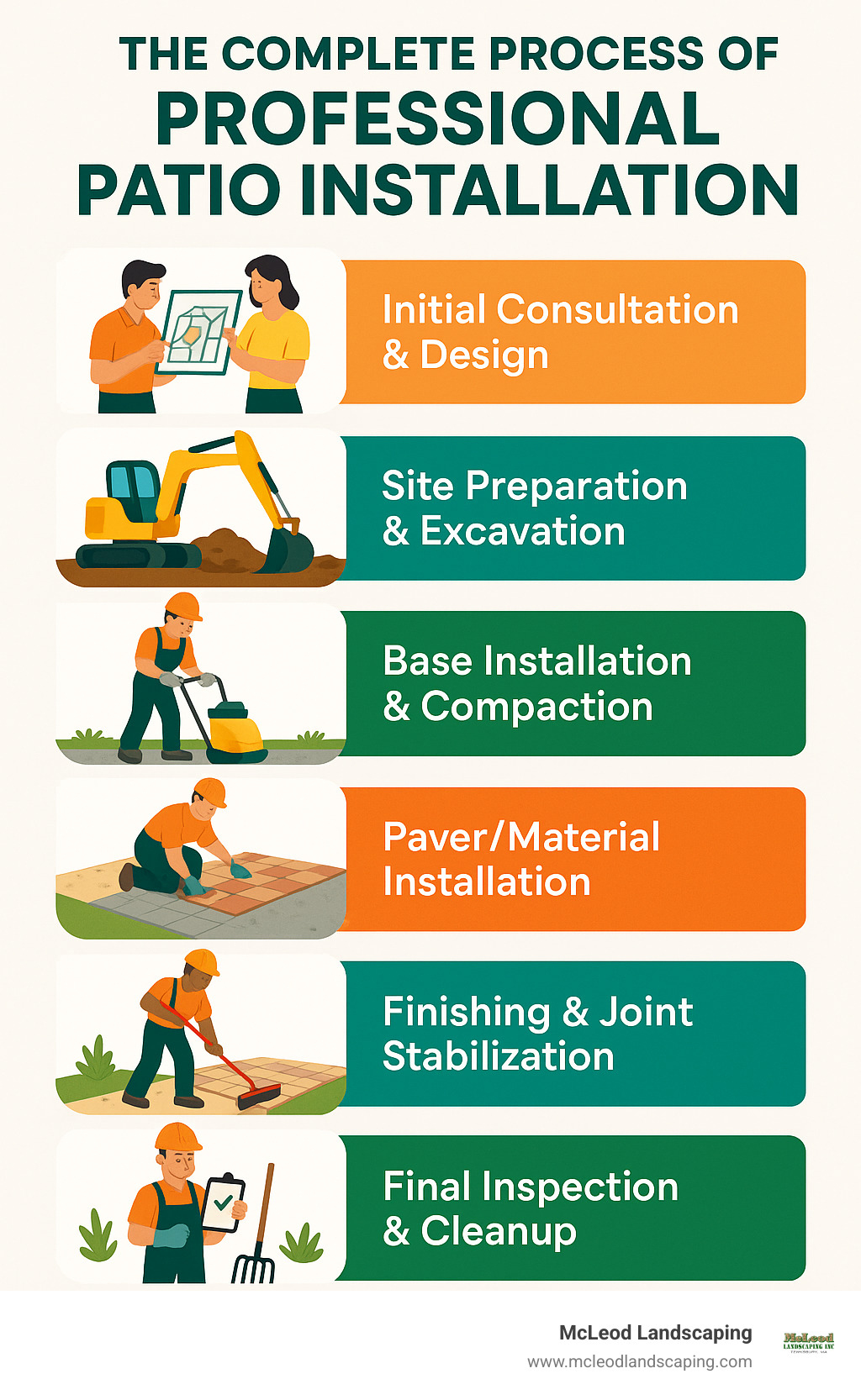
Understanding what happens when you hire a professional for your outdoor project helps set realistic expectations and prepares you for the journey ahead. While each patio contractor has their unique approach, the fundamental process remains consistent across the industry. At McLeod Landscaping, we’ve refined our installation timeline over three decades of creating beautiful outdoor spaces throughout the Merrimack Valley.
Your patio journey begins with a thoughtful consultation where we’ll walk your property together, discussing how you envision using the space, exploring material options, and addressing any unique site challenges. This initial meeting typically happens 1-2 weeks before any work begins and lays the foundation for everything that follows.
The next couple of weeks involve bringing your vision to life on paper. Our design team creates detailed drawings or 3D renderings based on our discussions, along with a comprehensive proposal outlining materials, costs, and timeline. This gives you the chance to fine-tune details before we proceed.
Once you’re thrilled with the design, we formalize everything with a contract and secure your spot in our production schedule. This is also when we handle any necessary permit applications – a process that can take anywhere from a few days to several weeks depending on your town’s requirements. Meanwhile, we’re ordering all your materials to ensure everything is ready when construction day arrives.
“People are often surprised by how much happens before a single shovel hits the ground,” shares our project manager. “This preparation phase is crucial for a smooth installation process and a patio that truly exceeds expectations.”
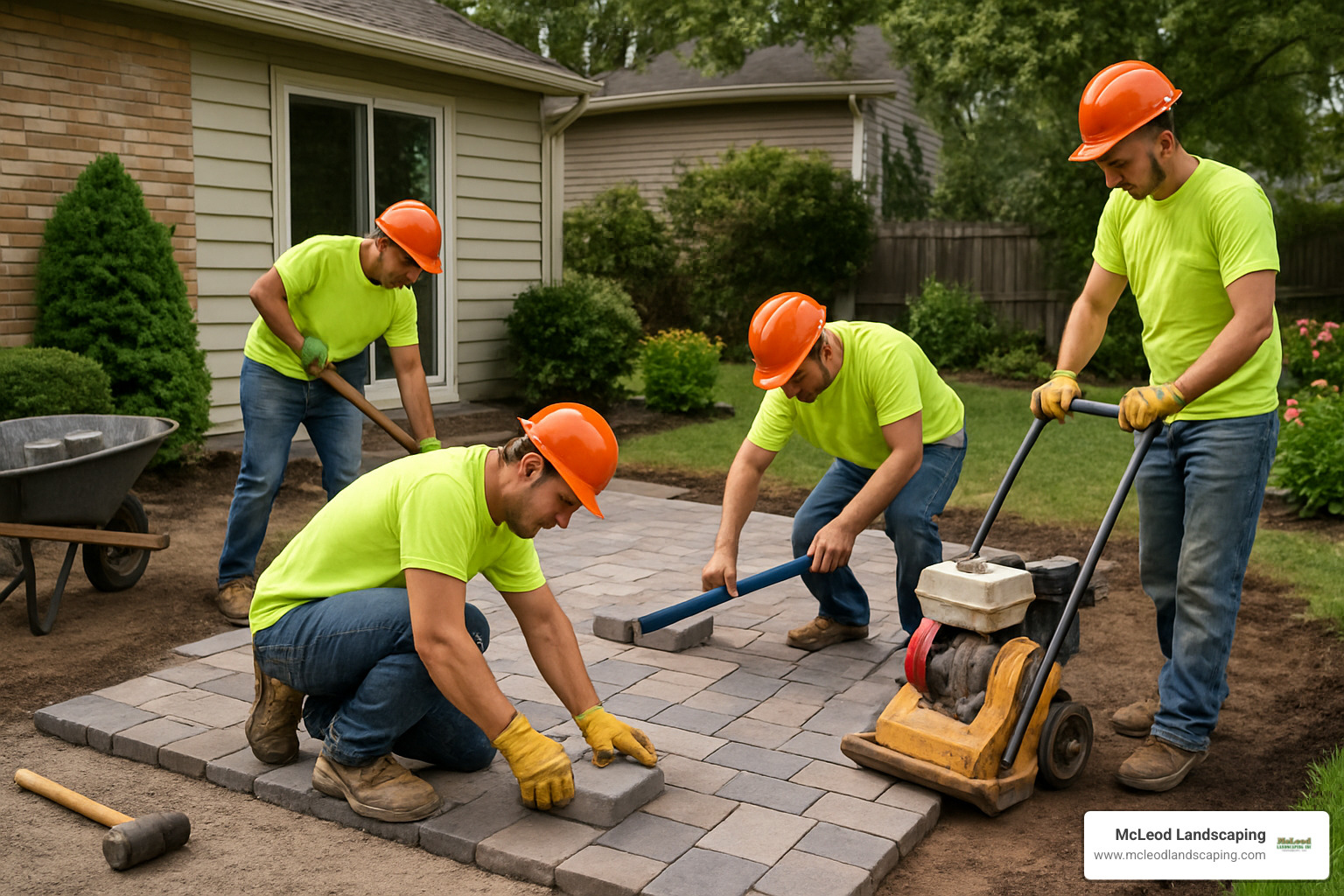
When construction day finally arrives, our crew begins with careful site preparation and excavation – digging down 8-12 inches to create space for a proper foundation. This typically takes 1-2 days and is followed by the installation of any necessary utilities for lighting or gas features.
The real magic happens during base installation, where we lay geotextile fabric and add layers of crushed stone, carefully compacting each layer. This critical foundation work prevents future settling and ensures your patio will stand the test of time through New England’s harsh freeze-thaw cycles.
After preparing a perfectly level setting bed, we begin installing your chosen paving materials according to the approved design pattern. This phase, which takes 2-5 days depending on complexity, requires precision cutting around obstacles and careful attention to detail. We then secure everything with proper edge restraints and fill the joints with appropriate material – whether that’s regular sand, polymeric sand, or mortar.
Final steps include thorough cleaning, optional sealing, and a detailed walkthrough to ensure everything meets both our quality standards and your expectations. For most residential projects, the active construction phase takes 1-2 weeks, with the entire process from consultation to completion spanning 4-8 weeks.
“Weather can sometimes throw us curveballs,” notes our lead installer. “But we’re always transparent about how rain delays or material backorders might affect your timeline. Our clients appreciate knowing exactly what’s happening at each stage.”
One of the most valuable services a professional patio contractor provides is navigating the sometimes confusing world of permits and regulations. This is an area where our decades of experience throughout the Merrimack Valley gives clients peace of mind.
Every town in our service area has its own specific requirements. Some municipalities have minimal restrictions for patios, while others require detailed plans and multiple inspections. Zoning ordinances often dictate how close your patio can be to property lines (setbacks), how much of your lot can be covered with impervious surfaces, and height limitations for any associated structures like walls or pergolas.
If your home is in a historic district, additional design reviews may be necessary to ensure your project complements the neighborhood’s character. Properties near wetlands or within designated resource areas may require Conservation Commission approval – particularly common in environmentally conscious towns like Carlisle and Westford.
Many homeowners are also surprised to learn their HOA may have strict guidelines about outdoor improvements, sometimes even specifying acceptable materials or colors. And increasingly, local regulations are addressing stormwater management, sometimes requiring or incentivizing permeable paving systems to minimize runoff.
“The biggest mistake DIY enthusiasts make is assuming permits aren’t needed for patios,” explains our permitting specialist. “I’ve seen homeowners face hefty fines and even be required to remove installations that didn’t meet code. Even worse, unpermitted improvements can create major headaches when selling your home.”
As your patio contractor, we handle all these regulatory problems – determining which permits your specific project requires, preparing accurate application packages, addressing questions from town officials, scheduling necessary inspections, and ensuring all work complies with applicable codes. This expertise not only saves you time and potential legal issues but also provides confidence that your beautiful new outdoor space is built to last and fully compliant.
A thorough, well-crafted contract is the foundation of a successful patio project. This important document protects both homeowner and contractor while ensuring everyone shares the same expectations from start to finish.
When you partner with McLeod Landscaping, our contracts include a detailed scope of work that precisely describes what we’re building – from exact dimensions and materials to specific features like fire pits or built-in seating. This references approved design plans and includes relevant specifications so there’s no confusion about what you’re getting.
The materials list specifies everything down to the brand, size, color, and quantity of pavers or stone we’ll be using. We clearly outline base material specifications, edge restraint details, joint filling materials, and any specialty items like step units or wall blocks. This transparency ensures you know exactly what you’re investing in.
Your contract will include an estimated timeline with projected start and completion dates, along with factors that might affect the schedule such as weather dependencies or material availability. The payment schedule outlines when deposits and progress payments are due, typically structured with an initial deposit (often 25-30%), payments at defined milestones, and final payment upon satisfactory completion.
“A detailed contract might seem overwhelming at first glance,” says our operations manager, “but it actually simplifies everything by setting clear expectations. When everyone understands exactly what’s happening and when, the project runs much more smoothly.”
We also include a well-defined change order process, because sometimes you might want to add features or make adjustments once you see the project taking shape. This section explains how such changes affect pricing and timeline.
Warranty terms outline both workmanship and material coverage, including duration and any limitations. At McLeod Landscaping, our comprehensive workmanship warranty reflects our confidence in our installation quality and commitment to client satisfaction.
Other important elements include cleanup and site restoration details, permit responsibilities, and a dispute resolution process. We encourage clients to review contracts carefully and ask questions about any terms they don’t fully understand. A reputable patio contractor welcomes these questions – after all, your complete comfort with the process is our priority.
When you’re planning to create that perfect outdoor space, understanding what affects the price tag and how to find the right team for the job is essential. While budget matters, it’s just one piece of a bigger puzzle that includes quality, experience, and the complete package of services you’ll receive.
According to internet data, you can expect to pay anywhere from $8 to $35 per square foot for professional patio installation. Why such a wide range? It reflects the enormous difference between a basic installation and those dream patios with premium materials and special features.
Several factors play into what your project might cost:
Materials make the biggest impact on your bottom line. Basic concrete pavers might start around $8-12 per square foot installed, while those gorgeous natural stone options could range from $25-35 per square foot or more.
Size and complexity matter too. Larger patios actually benefit from some economies of scale, but if you’re dreaming of multiple levels, curved edges, or intricate patterns, these details require more skilled labor and often create more material waste.
Your property’s unique challenges can affect costs significantly. If your backyard has difficult access for equipment, poor drainage issues, or significant slopes, we’ll need to address these conditions before laying the first paver.
The extras that make your space special – built-in seating, a cozy fire pit, outdoor kitchen features, or ambient lighting systems – add both value and cost to your project.
“I always tell clients to think about how they’ll actually use the space,” says Scott McLeod. “Sometimes investing a bit more in the right features means you’ll enjoy your patio for many more days throughout the year.”
When you’re evaluating potential patio contractors, look beyond just the price estimate:
Does the contractor carry proper insurance and licensing? This protects you from liability and shows they’re running a legitimate business.
Ask to see their portfolio and speak with previous clients. At McLeod Landscaping, we’re proud to share our completed projects and connect you with homeowners who’ve been in your shoes.
Consider their specific experience with your type of project. Our three decades in the Merrimack Valley means we’ve encountered virtually every installation challenge possible in our region’s unique conditions.
Pay attention to how they communicate. Are they listening to your needs? Can they explain technical aspects in ways that make sense? The communication patterns established during your estimate typically continue throughout your project.
Compare not just bottom-line prices but what’s actually included. Often, lower estimates exclude crucial elements like proper base preparation, edge restraints, or site restoration – things that affect your patio’s long-term performance.
The National Association of Realtors research shows well-designed outdoor living spaces can return 60-100% of their cost when selling a home. Adding a professional patio can increase your home’s resale value by up to 12%, making quality installation a sound investment rather than just an expense.
Before you commit to a patio contractor, asking the right questions helps ensure you’re making a well-informed choice. Here’s what to ask during your consultation:
First, dig into their background: “How long have you been installing patios in this region?” Local experience matters because your contractor should understand our New England soil conditions and climate challenges. Ask to see examples of projects similar to yours that they’ve completed recently, and verify they’re properly licensed and insured with current coverage.
Next, focus on project specifics: “Will you provide a detailed written estimate that specifies all materials and labor?” A professional patio contractor should be completely transparent about what you’re paying for. Ask about their base preparation methods and why they’re right for your property’s soil conditions. How will they handle drainage to prevent water pooling or ice formation when our New England weather turns? What edge restraint system will they use to keep your pavers from shifting over time?
Don’t forget about the process itself: “What’s your typical payment schedule, and what triggers each payment?” Understanding the timeline from start to finish helps set realistic expectations. Ask how they handle inevitable challenges like weather delays or material shortages. Will they be juggling other projects simultaneously, and how might that affect your schedule?
“The question that often reveals the most about a contractor is how they handle unexpected problems,” shares our customer relations manager. “Every project faces challenges – what matters is how your patio contractor responds to them.”
Finally, think beyond completion day: What warranties come with your patio? How does the contractor handle any issues that might arise after they’ve packed up? Will they provide specific maintenance instructions for your patio materials?
At McLeod Landscaping, we welcome these questions – informed clients make the best partners. We provide detailed answers and encourage visits to our completed projects so you can see our work and chat with satisfied customers.
Your patio is a significant investment, and warranties provide important protection – but not all warranties offer the same coverage. Understanding what’s protected, for how long, and under what conditions is crucial when evaluating patio contractors.
There are typically two distinct types of warranties to consider:
Workmanship Warranties come directly from your patio contractor and cover the quality of installation. At McLeod Landscaping, we stand firmly behind our craftsmanship with comprehensive coverage that protects against installation-related issues such as settling beyond normal tolerances, drainage problems, edge restraint failures, joint material deterioration, and base material issues.
Most professional patio contractors offer workmanship warranties ranging from 2 years to lifetime coverage, with the industry standard hovering around 5 years. Premium contractors often extend longer terms, reflecting their confidence in their installation methods.
“A contractor’s warranty speaks volumes about their confidence in their work,” our operations manager points out. “Be cautious about very short warranty periods or warranties with extensive exclusions – these can be warning signs of potential problems.”
Material Warranties come from the manufacturers of the paving materials and cover defects in the products themselves. These typically protect against premature color fading, surface spalling (flaking), cracking under normal use, and dimensional inconsistencies.
These warranties vary significantly by manufacturer and product line. Basic concrete pavers might carry 10-year limited warranties, while premium lines often feature lifetime coverage against manufacturing defects. Natural stone typically comes with limited or no manufacturer warranty since it’s a natural product with inherent variation.
When evaluating warranties, consider these important factors: Can the warranty be transferred to new homeowners if you sell your property? Does the coverage decrease over time (prorated coverage)? What maintenance is required to keep the warranty valid? What specific exclusions apply? And perhaps most practically, what’s the process for making a claim if you need to?
At McLeod Landscaping, we provide clients with all relevant warranty documentation, including our own workmanship warranty and any manufacturer warranties for installed materials. We also maintain detailed records of your installation, including materials used and installation methods, which provides valuable support for any future warranty claims.
“In over 30 years of installing patios across the Merrimack Valley, we’ve had remarkably few warranty claims,” explains our founder. “That’s not because our warranties aren’t comprehensive – it’s because we focus on doing the job right the first time.”
A beautiful patio is just the beginning of your outdoor living journey. With thoughtful improvements and regular care, your outdoor space can remain stunning and functional for decades to come.
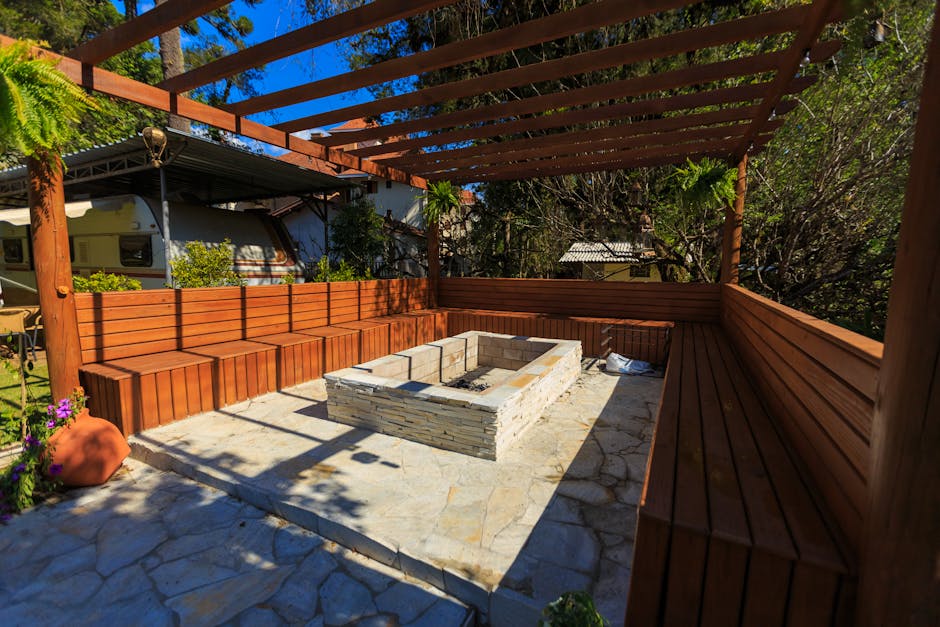
When clients ask me what makes a patio truly special, I often tell them it’s the extra touches that transform a simple stone surface into a true outdoor living room. At McLeod Landscaping, we’ve seen how the right additions can dramatically extend both the usability and enjoyment of outdoor spaces.
Fire pits create natural gathering spots that draw family and friends together like moths to a flame. There’s something primal about gathering around fire that never gets old, and in our New England climate, adding this feature can extend your outdoor season by months. From simple wood-burning designs to sophisticated gas-powered options, a fire feature becomes the heart of many outdoor spaces.
Outdoor lighting works magic in your backyard, turning your daytime retreat into an enchanting evening escape. I remember one client who was absolutely amazed at how different—and how much more usable—their patio became once we installed a thoughtful lighting plan. Modern LED systems are incredibly energy-efficient and can highlight architectural features, improve safety, and create just the right ambiance.
Seating walls offer practical, built-in seating that never blows away in the wind or needs to be stored for winter. These low walls (typically 18-20 inches high) can define spaces while providing casual perches for conversations. As one client told me, “It’s like having extra furniture without cluttering the patio.”
Beyond these popular additions, many homeowners eventually add pergolas for shade, outdoor kitchens for alfresco dining, or water features for their soothing sounds. Each improvement should feel like a natural extension of your home rather than an afterthought.
Don’t overlook the importance of proper drainage upgrades. While not as exciting as a new fire pit, good drainage prevents water damage and extends the life of your investment. As we often tell clients, “You never appreciate good drainage until you’ve experienced bad drainage.”
More info about Backyard Patio Design Ideas
A truly successful patio doesn’t stand apart from your yard—it flows naturally with your existing landscape. As a patio contractor with decades of experience, I’ve found that this integration often makes the difference between a nice patio and a breathtaking outdoor space.
One of my favorite projects involved building around a magnificent 75-year-old maple tree. Rather than seeing this tree as an obstacle, we designed a custom surround that provided seating while protecting the root system. The dappled shade made the patio usable even during the hottest summer days, and the tree became the natural focal point of the entire design.
Respecting existing features like mature trees, established gardens, and natural grade changes turns potential challenges into design assets. When we approach a new project, we look for ways to celebrate what’s already beautiful about your property.
Creating smooth transitions between your patio and surrounding landscape prevents that “landed from outer space” look that poorly designed patios sometimes have. We might use graduated plantings to soften edges, design step-downs to accommodate grade changes naturally, or incorporate border plantings that blur the line between hardscape and landscape. These transitional elements make the patio feel like it has always been part of your yard.
Managing irrigation considerations is another key aspect of successful integration. Existing sprinkler systems often need modification to accommodate new patio areas. We carefully map and adjust coverage to prevent overspray onto the patio while ensuring adjacent plantings receive adequate water.
For environmentally conscious homeowners, we can incorporate sustainable practices like rain gardens to capture and filter runoff, native plant selections that require less water and maintenance, and permeable paving sections that allow water infiltration. These elements not only look beautiful but also function in harmony with natural systems.
Perhaps most importantly, we design with growth and change in mind. Landscapes evolve over time, and thoughtful patio design accounts for this reality. We leave adequate soil volume for tree root expansion, include conduit under paving for future lighting or irrigation, and create flexible spaces that can adapt to changing family needs.
“The most successful projects consider how the space will look not just at completion, but 5, 10, or 20 years later as plantings mature,” explains our landscape architect. “We’re designing not just for today but for the future of your property.”
As a patio contractor who takes pride in building spaces that last, I can tell you that even the best-installed patios need some TLC to maintain their beauty. A little regular attention goes a remarkably long way in preserving your investment.
Spring Maintenance (April-May) is all about recovery from winter’s harsh effects. Start by removing debris and giving your patio a thorough cleaning—you’ll be amazed at what winter leaves behind! This is also the time to inspect for any frost heave or settling that occurred during freeze-thaw cycles. Check and refill paver joints with appropriate sand if needed, and inspect edge restraints for damage or movement. Don’t forget to clean and inspect drainage systems, clearing any blockages that might have formed. If your patio is due for sealing (typically every 2-3 years), spring is often the perfect time once temperatures stabilize.
When Summer (June-August) arrives, maintenance becomes more about preservation and spot care. Clean spills promptly to prevent staining—those barbecue drippings and wine spills can become permanent if left too long! Pull any weeds from joints before they become established, and give your patio an occasional gentle rinse to remove pollen and dust. I also recommend adjusting furniture placement periodically to prevent uneven weathering or staining.
As Fall (September-November) approaches, prepare your patio for winter’s challenges. Remove fallen leaves regularly—they may look harmless, but they can cause staining and create slippery conditions. Give the entire patio a thorough cleaning before winter sets in, and trim back overhanging branches that might drop debris. Consider applying a final joint sand top-up before winter if needed, and clean and store seasonal furniture and accessories.
Winter Preparation (November-December) is critical in our New England climate. Ensure proper drainage is functioning before freeze-up to prevent water from causing damage during freeze-thaw cycles. Remove planters or other items that might crack during winter, and have appropriate snow removal tools ready—plastic shovels are gentler on paver surfaces than metal ones, and calcium-based de-icers are less damaging than rock salt. If you have water features or irrigation, don’t forget to disconnect and drain them before the first freeze.
When addressing common issues, timing matters. Minor settling (depressions less than ½ inch) can often be corrected by removing pavers, adding base material, and reinstalling. That white powdery substance on concrete pavers (efflorescence) is natural and temporary—regular cleaning and time will resolve it, or specialized cleaners can accelerate the process. For weed growth, regular joint sand maintenance and prompt treatment prevents most problems. And if you notice color fading, periodic application of appropriate sealers can refresh and preserve color, particularly for concrete pavers.
“The most expensive maintenance is the maintenance you skip,” my grandfather used to say. After 30 years in this business, I’ve found that to be absolutely true. Most major patio problems could have been prevented with regular attention and early intervention.
At McLeod Landscaping, we offer annual maintenance programs for clients who prefer professional care of their outdoor investments. These include seasonal cleaning, joint sand replenishment, sealer application when appropriate, and expert assessment of any developing issues—giving you peace of mind and more time to actually enjoy your beautiful outdoor space.
Over our three decades as patio contractors serving families throughout the Merrimack Valley, we’ve had countless conversations with homeowners who are considering their outdoor living options. These questions come up time and again, and I’m happy to share what we’ve learned through experience.
Timing matters when planning your perfect outdoor space. For the best results, I recommend reaching out to a patio contractor at least 2-3 months before you’re hoping to have your new patio installed, especially if you’re dreaming of a spring or summer project.
Here in the Merrimack Valley, our prime construction season (May through September) fills up quickly. The most in-demand contractors often have their warm-weather schedules completely booked by early spring.
“I always tell folks who call in April wanting a Memorial Day patio that they’re likely a year behind schedule,” our scheduling coordinator often says with a smile. “Winter is actually the perfect time to start conversations about summer projects. This gives everyone breathing room for thoughtful design, selecting just the right materials, and handling permits without rushing.”
Fall installations can be wonderful too—with cooler working conditions and still plenty of time to enjoy your space before winter. For autumn projects, reaching out 4-6 weeks ahead is typically sufficient. Planning in winter for spring installation puts you at the front of the line when the ground thaws.
When it comes to return on investment, balance is key. Real estate professionals consistently tell us that patios proportional to both your home and property size offer the best value. For typical homes in our region, patios between 300-400 square feet hit the sweet spot of usability and investment return.
That said, thoughtful design trumps sheer size every time. A modest 250-square-foot patio with intelligent features like integrated lighting, comfortable seating areas, and perhaps a fire pit often adds more value than a sprawling but featureless concrete slab.
“Think of your patio as creating an additional room for your home,” our design consultant often advises clients. “The most valuable outdoor spaces extend your living area outside, giving you functional space for dining, relaxing, and entertaining.”
The numbers back this up. Professional patio installation typically increases home resale value by up to 12%, with ROI ranging from 30-60%—making it one of the smarter home improvements for both enjoyment and investment.
Absolutely! Experienced patio contractors view established trees as assets to incorporate rather than obstacles to remove. At McLeod Landscaping, we consider mature trees to be nature’s perfect shade structures, offering character no pergola can match.
We use several approaches to protect trees while building beautiful patios:
“Last summer, we completed a stunning bluestone patio that wrapped around three 60-year-old oak trees,” our project manager recalls. “By using suspended paving techniques near the critical root zones and creating generous tree wells with decorative gravel, we preserved these magnificent trees while creating a naturally shaded gathering space that stays cool even on the hottest days.”
Some tree species tolerate nearby construction better than others. That’s why we always include a professional assessment of your trees’ health, species characteristics, and root patterns when designing patios in wooded areas. The goal is creating harmony between your hardscaping and the natural elements that make your property special.
With proper installation and reasonable maintenance, your patio should serve your family for decades. Different materials offer varying lifespans:
Concrete paver patios typically last 25-50 years for the pavers themselves. In our New England climate with its freeze-thaw cycles, you might need some minor resetting or releveling after 15-20 years, but this is typically a small maintenance task rather than a complete replacement.
Natural stone patios can easily last 50+ years—often outliving their owners! The stone itself is practically eternal, though the setting bed and joints may need attention over the decades.
Brick patios generally provide 25-35 years of service, possibly requiring occasional brick replacement as time passes.
Concrete slab patios typically remain in good condition for 20-30 years before significant cracking becomes a concern.
“I always tell clients that what you can’t see matters most for longevity,” our installation foreman emphasizes. “The visible paving material gets all the attention, but it’s the quality of base preparation and drainage that truly determines how long your patio will last.”
At McLeod Landscaping, we build for the long haul, with installation techniques specifically engineered for New England’s challenging climate. Our deeper base preparations and carefully designed drainage systems ensure maximum durability regardless of material choice.
This is perhaps the most common question we hear from homeowners weighing their options. Stamped concrete and concrete pavers represent two distinct approaches to patio construction, each with its own characteristics:
Stamped concrete is poured as a continuous slab and imprinted with patterns while still wet to mimic more expensive materials. It generally costs less initially than pavers and offers a seamless appearance with fewer joints. Installation is typically faster too. However, it’s more vulnerable to cracking during freeze-thaw cycles, repairs are both visible and often extensive, and it typically requires resealing every 2-3 years to maintain its appearance.
Concrete pavers are individual units installed over a compacted base. While they usually have a higher upfront cost, they often provide better long-term value. They accommodate ground movement without cracking (a huge advantage in New England), allow for easy spot repairs by replacing individual units, and offer more design flexibility for curves and unique patterns.
“Given our local climate conditions, we generally recommend pavers over stamped concrete for most Merrimack Valley properties,” our materials specialist often advises. “The freeze-thaw cycles we experience can be particularly challenging for stamped concrete, while properly installed pavers flex with seasonal ground movement without damage.”
Both options can create beautiful outdoor spaces when installed correctly. Your choice ultimately depends on your aesthetic preferences, budget considerations, and how much maintenance you’re willing to undertake in the years ahead.
Whether you’re just starting to explore your options or ready to break ground on your dream outdoor space, the right patio contractor makes all the difference in creating a space your family will enjoy for generations.
Selecting the right patio contractor is perhaps the most important decision you’ll make when creating your dream outdoor living space. The expertise behind your project will determine not just how beautiful your patio looks on day one, but how well it performs for decades to come.
Throughout this guide, we’ve walked through everything that professional patio contractors bring to the table—from thoughtful design consultations to material selection guidance, proper installation techniques, and ongoing maintenance support. We’ve seen why professional installation makes such a difference, especially in our challenging New England climate where freezing winters test even the best-built outdoor spaces.
At McLeod Landscaping, our three decades of serving the Merrimack Valley has taught us something important: truly successful patio projects begin by listening. Every family uses their outdoor space differently, whether you’re dreaming of intimate dinners under the stars, lively gatherings with friends, or just a peaceful spot to enjoy your morning coffee. Your unique vision deserves careful attention.
A professionally installed patio isn’t just about creating something beautiful—it’s a smart investment that can boost your home’s value by up to 12% while giving you years of enjoyment and functionality. With proper care, quality paver patios can last 25-50 years, making them one of the most durable improvements you can make to your property.
We’ve been privileged to help countless homeowners throughout Andover, Billerica, Burlington, Carlisle, Chelmsford, Concord, Lowell, Tewksbury, Westford, and Wilmington transform their outdoor dreams into reality. The smile on a client’s face when they see their finished patio for the first time—that moment when they can finally picture all the memories they’ll create in their new space—that’s what drives our work every day.
Your outdoor dreams deserve the attention of experienced professionals who understand the unique challenges and opportunities of creating exceptional patios in the Merrimack Valley. We’d be honored to help you create an outdoor space that feels like a natural extension of your home—one that welcomes family gatherings, quiet evenings, and everything in between for many years to come.
More info about Patio Installation Services
Contact McLeod Landscaping today at (978) 640-0957 or click here to schedule a consultation for retaining wall installation. Let our experienced team design and install a functional and visually appealing retaining wall that enhances your landscape.

1881 Main St Unit 1, Tewksbury, MA 01876