
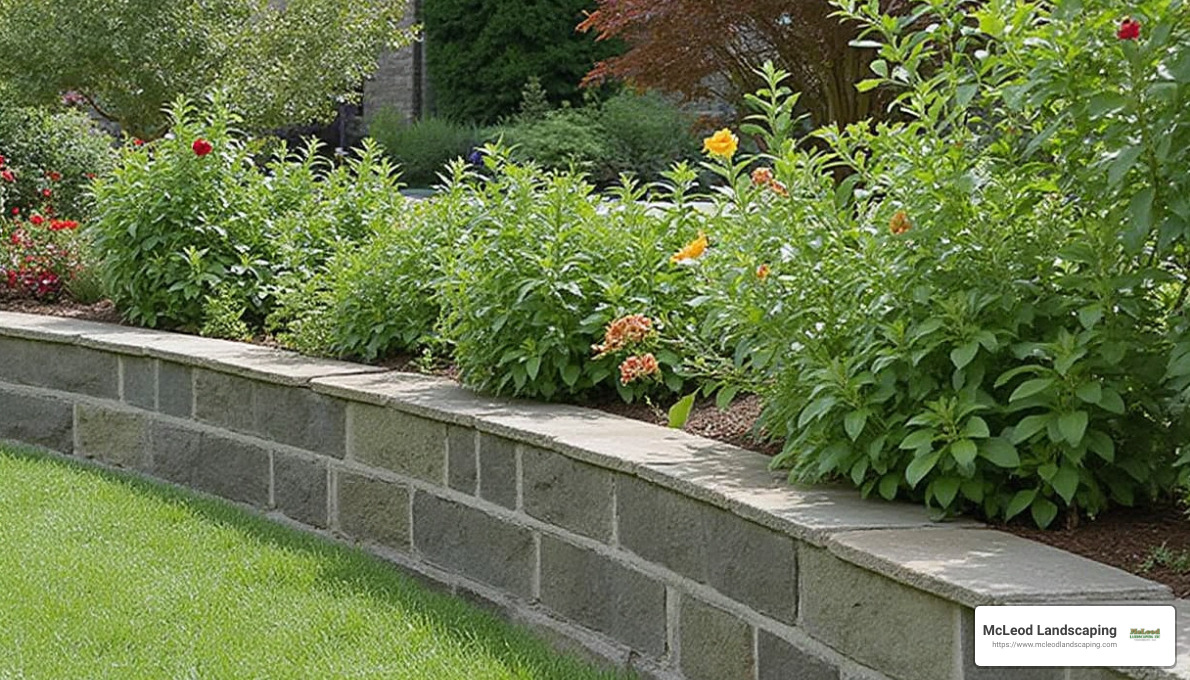
Retaining wall blocks are the backbone of any well-designed landscape, providing both beauty and essential support. They are crucial for preventing soil erosion, creating usable space on sloped terrain, and adding structure to outdoor areas. Whether you’re looking to stabilize steep slopes or design beautiful garden features, retaining wall blocks offer durable and aesthetically pleasing solutions.
Retaining wall blocks can transform an ordinary yard into a stunning, functional space. Their varied designs and materials make them a versatile choice for creating everything from terrace gardens to bordered patios.
I’m Scott McLeod, and with over 30 years of experience in landscaping and hardscaping in the Merrimack Valley area, I understand the value and functionality retaining wall blocks bring to both residential and commercial properties.
Key terms for retaining wall blocks:
– retaining wall design
– retaining wall drainage
– retaining wall ideas
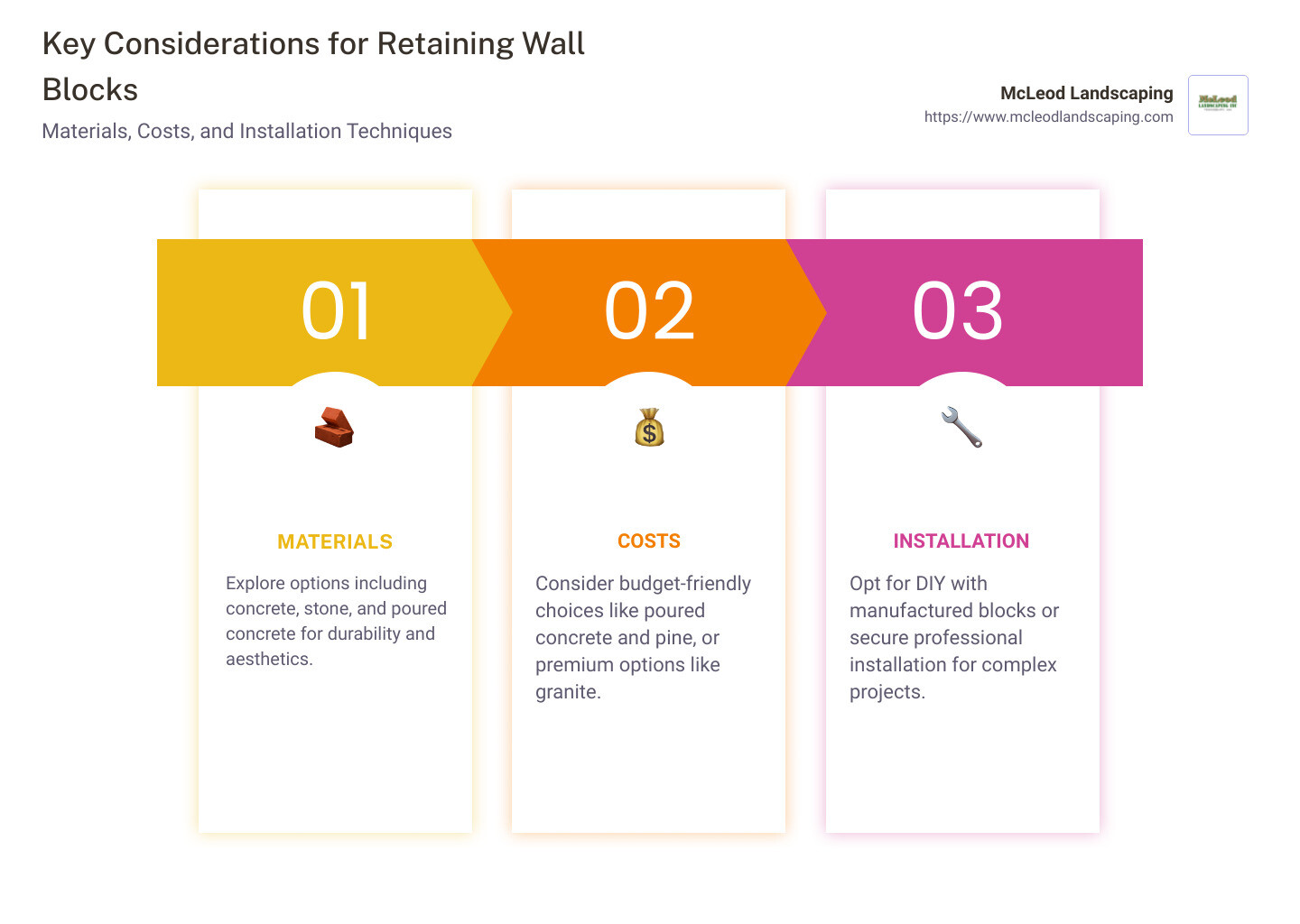
Retaining wall blocks come in various types, each offering unique benefits in terms of materials, durability, and aesthetics. Choosing the right type can make a significant difference in the longevity and visual appeal of your landscape project.
Concrete blocks are a popular choice for retaining walls due to their affordability and versatility. They are made from a mix of cement, aggregates, and water, which gives them a robust structure. Concrete blocks can be molded into various shapes and dyed in different colors, offering a wide range of design options.
Concrete blocks are ideal for projects that need a balance between cost and appearance. They are commonly used in both residential gardens and commercial landscapes.
Stone blocks offer a natural and timeless look, perfect for those who want to add an organic feel to their outdoor spaces. They come in various types like sandstone, limestone, and granite, each with distinct textures and colors.
While stone blocks can be more expensive than other materials, their aesthetic appeal and durability make them a worthwhile investment for those seeking a premium look.
Poured concrete offers a sleek and seamless appearance, making it a great option for modern landscapes. Unlike block systems, poured concrete can create continuous surfaces without joints.
Poured concrete is often used in large-scale projects where strength and a modern aesthetic are priorities. It’s also one of the most cost-effective options due to its quick installation process.

Each type of retaining wall block has its own strengths. Whether you prioritize cost, appearance, or longevity, understanding these differences will help you make the best choice for your landscape project.
Building a retaining wall is an investment in your landscape. Understanding the cost-effectiveness of different materials is crucial for making informed decisions. Let’s break down the cheapest and premium options available for retaining wall blocks.
When working with a tight budget, consider materials like poured concrete and pressure-treated pine. These options provide durability without breaking the bank.

For those willing to invest more for aesthetic appeal and longevity, granite and interlocking concrete blocks are excellent choices.
Choosing the right material depends on your budget and the specific needs of your project. While poured concrete and pressure-treated pine offer affordable solutions, granite and interlocking concrete blocks provide premium options for those who prioritize aesthetics and long-term investment.
Understanding these options will help you plan your budget effectively and select materials that align with your landscape vision.
When it comes to installing retaining wall blocks, you have two main paths: DIY installation for the hands-on homeowner and professional installation for those who prefer expertise and peace of mind.
If you’re a DIY enthusiast, installing retaining wall blocks can be a rewarding project. Here are some tips to get you started:
While DIY can be satisfying, some projects demand professional expertise. That’s where McLeod Landscaping comes in. Here’s why hiring a pro might be the best choice:
Whether you choose the DIY route or opt for professional installation, understanding these techniques will help you achieve a beautiful, durable retaining wall. Next, let’s explore some inspiring design ideas using retaining wall blocks.
Retaining wall blocks aren’t just about function; they can transform your outdoor space into a stunning landscape feature. Let’s explore some design ideas that highlight both functionality and aesthetic appeal.
Low-height walls, typically two to three feet tall, are excellent for creating visually appealing garden borders or seating areas. These walls use segmental blocks, which are versatile and easy to work with.
Functionality: Low-height walls can define spaces within your garden, create raised flower beds, or serve as seating around a fire pit. They are also perfect for leveling out small slopes, making them more usable for planting or pathways.
Aesthetic Appeal: Choose from a variety of block colors and textures to match your home’s exterior or garden theme. You can opt for a natural stone look or a sleek modern finish to complement your landscape.
Case Study: A homeowner in Andover, MA used low-height retaining walls to create a terraced garden. By selecting blocks that matched the natural stone of their patio, they achieved a cohesive and neat outdoor space. The terraced design also improved drainage, preventing erosion.
For those dealing with significant slopes, high structural walls are necessary. These walls require more engineering, including proper footings and soil retention strategies.
Functionality: High walls are essential for preventing soil erosion on steep slopes. They provide structural support and can transform unusable inclines into flat, functional spaces for gardens or patios.
Aesthetic Appeal: While functionality is key, high walls can also be beautiful. Incorporate curves or varying heights to add interest. Consider using different block colors or textures to create patterns or highlight certain areas.
Case Study: In Burlington, MA, McLeod Landscaping tackled a challenging slope by installing a high structural wall. They used interlocking concrete blocks for durability and incorporated built-in planters to add greenery directly into the wall. This not only stabilized the slope but also created a vibrant, living wall that became the focal point of the backyard.
When designing with retaining wall blocks, think about how the wall will blend with your existing landscape and what additional features you might integrate. Whether it’s a low-height garden border or a towering structural wall, these elements can add both beauty and function to your outdoor space.
If you’re looking to save money on your retaining wall, poured concrete is often the most budget-friendly option. It lasts a long time and is quicker to install than individual stones or blocks. This can help reduce labor costs. However, if you’re considering a DIY approach, using concrete blocks might be the cheapest route. These blocks are typically less expensive than natural stone and easier to work with, especially for smaller projects.
The best blocks for a retaining wall depend on your specific needs and the landscape. Concrete retaining wall blocks are a popular choice due to their strength and versatility. They come in a variety of shapes and sizes, making them suitable for both low-height garden walls and high structural walls. Interlocking concrete blocks are particularly useful for larger projects because they fit together easily and provide excellent stability. For a more natural look, stone blocks offer an aesthetic appeal that complements many landscapes.
The cost comparison between a concrete retaining wall and block walls can vary based on several factors, including labor and material costs. Generally, a poured concrete wall can be less expensive in terms of materials, especially if you pour it yourself. However, the installation can be complex, requiring proper drainage and structural support. On the other hand, block walls, particularly those made of interlocking concrete, might have higher material costs but can save on labor due to their easier installation process. The choice depends on your budget, the wall’s height, and your aesthetic preferences.
Retaining wall blocks are versatile, durable, and essential for creating functional outdoor spaces. Whether you’re looking to prevent soil erosion, add visual interest, or create level planting areas, retaining wall blocks offer a solution that meets both aesthetic and practical needs.
In this guide, we’ve explored the different types of retaining wall blocks, including concrete, stone, and poured concrete options. We’ve also discussed cost considerations, installation techniques, and design ideas to help you make informed decisions for your landscape project.
When it comes to installation, the choice between DIY and professional services can significantly impact the outcome. While DIY might save you some money, hiring professionals like McLeod Landscaping ensures that your wall is built to last, with attention to detail and proper drainage systems.
If you’re ready to transform your outdoor space with expertly designed and installed retaining walls, we invite you to contact McLeod Landscaping. Our team has over 30 years of experience in landscape design and installation, ensuring high-quality craftsmanship for both residential and commercial projects in the Merrimack Valley.
Reach out today to schedule a consultation and find how we can lift the beauty and functionality of your property.
Contact McLeod Landscaping today at (978) 640-0957 or click here to schedule a consultation for retaining wall installation. Let our experienced team design and install a functional and visually appealing retaining wall that enhances your landscape.


1881 Main St Unit 1, Tewksbury, MA 01876