
What does a landscape designer do? Simply put, landscape designers create, present, and develop outdoor spaces that are both beautiful and functional. Their work involves everything from planning and designing to overseeing the implementation and maintenance of landscapes.
Here’s a quick glimpse of their key responsibilities:
– Designing: Creating aesthetically pleasing and practical designs for gardens, parks, and outdoor areas.
– Planning: Taking into account site conditions, client needs, and environmental factors.
– Execution: Overseeing the development and installation of landscaping projects.
– Maintenance: Providing ongoing upkeep to ensure the longevity and beauty of the landscape.
Landscape designers blend creativity, artistic skills, and a deep appreciation for nature to transform ordinary spaces into stunning outdoor environments. They play a crucial role in encouraging people to interact with nature and fostering sustainable ecosystems. Imagine the satisfaction of walking through a park or garden that you had a hand in creating—this is what drives many landscape designers in their work.
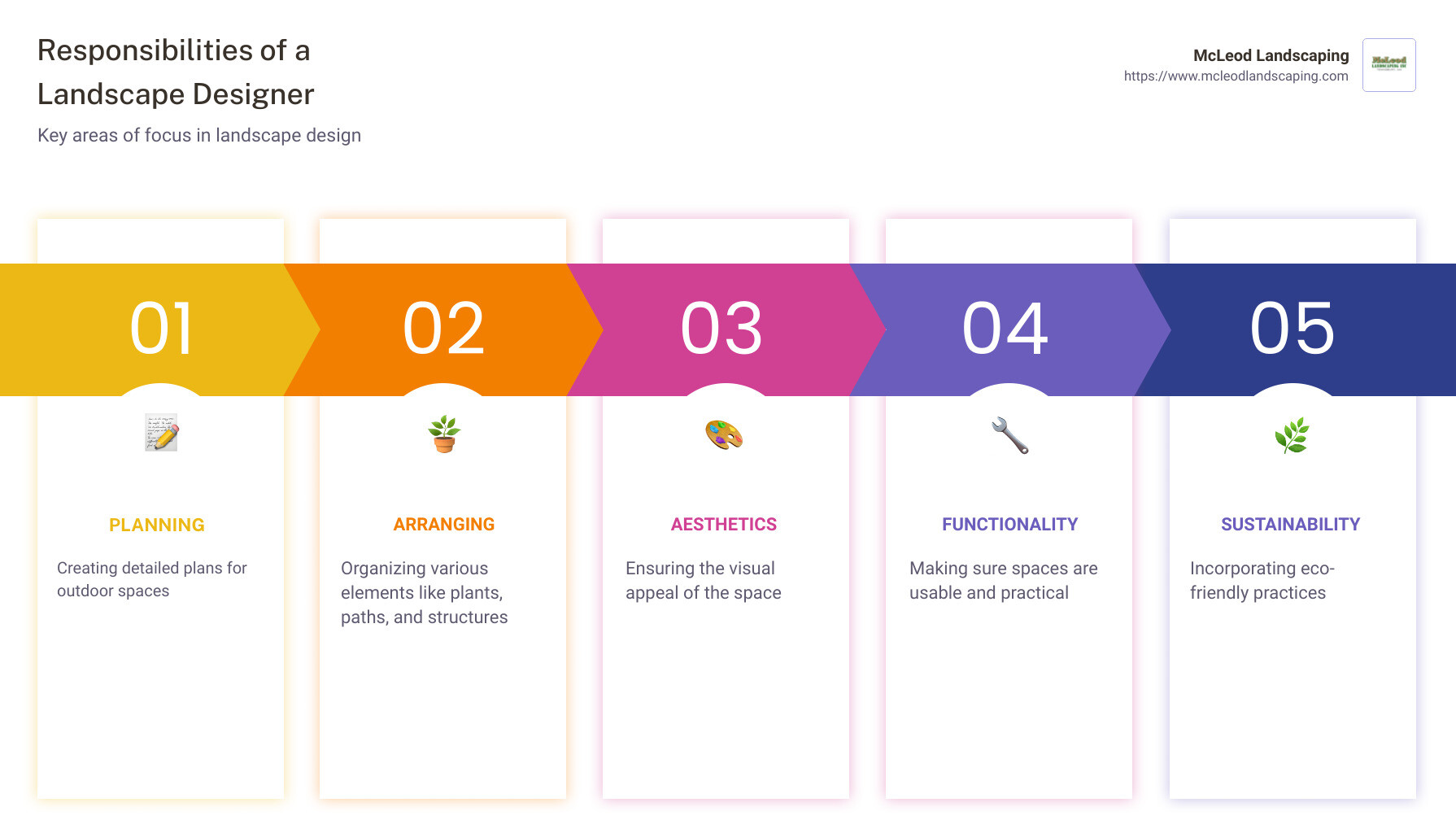
Landscape designers are creative visionaries who plan, arrange, and transform outdoor spaces into beautiful and functional environments. Their work involves a mix of artistic skills and technical knowledge to meet the needs of families, businesses, and municipalities.
The first step in any landscape design project is planning. This involves understanding the client’s needs, analyzing the site, and considering various factors such as soil health, water management, and sunlight exposure. For instance, Chris Andrews, a professional landscape designer, emphasizes the importance of initial site evaluations to grasp the unique characteristics of each space.

Once the planning phase is complete, the focus shifts to arranging different elements within the outdoor space. This includes deciding where to place flowers, shrubs, trees, pools, patios, and sidewalks. The goal is to create a layout that is both aesthetically pleasing and functional. Designers use sketches and online tools like iScape to visualize the arrangement before any actual work begins.
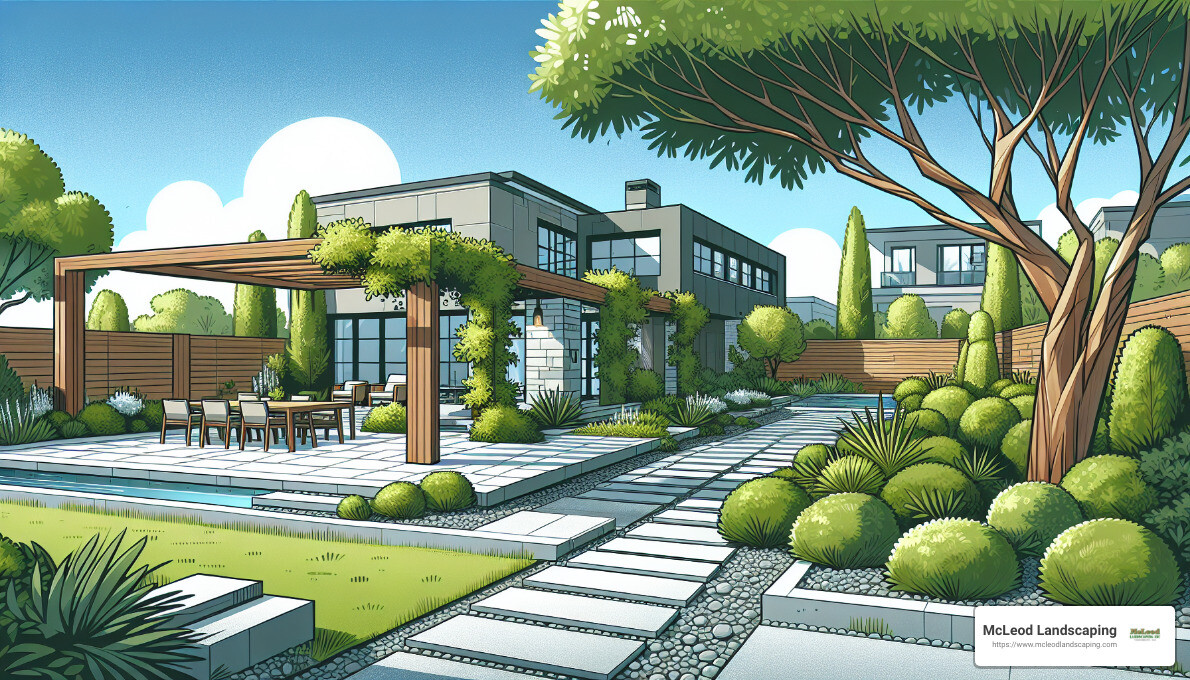
Landscape designers work on a variety of outdoor spaces. They design traditional areas like parks, gardens, and residential yards, as well as commercial centers and waterfront developments. Their appreciation for historic and cultural landscapes also enables them to undertake preservation projects. This diverse range of projects highlights the versatility required in this profession.
A key part of a landscape designer’s job is to ensure the aesthetics of the space are top-notch. This involves blending colors, textures, and structures to create a cohesive look. For example, using native plants and sustainable materials can enhance the natural beauty of the surroundings. The designer’s artistic touch transforms functional spaces into breathtaking environments.
While aesthetics are crucial, functionality is equally important. Landscape designers must ensure that the space meets the client’s practical needs. This could mean creating clear paths for movement, ensuring proper drainage, or designing areas for specific activities like dining or lounging. The balance between beauty and utility is what sets a great landscape designer apart from the rest.

By understanding what a landscape designer does, you can better appreciate the complexity and skill involved in transforming outdoor spaces. Whether it’s a small backyard or a large public park, the goal is always to create environments that are both beautiful and functional.
When planning your outdoor space, it’s important to understand the difference between landscape architects and landscape designers. Both roles are crucial, but they focus on different aspects and require different levels of expertise.
Landscape architects typically have a degree in landscape architecture and are often licensed. This means they have undergone rigorous training in areas such as topography, soil science, and environmental sustainability. They are skilled in using advanced tools like Geographic Information Systems (GIS) and Computer-Aided Design and Drafting (CADD) to create detailed plans.
In contrast, landscape designers may not have formal education in landscape architecture but possess strong practical knowledge and experience. They focus more on the aesthetic and functional aspects of outdoor spaces without necessarily delving into complex technical details.
Landscape architects handle not just plant selection but also the design of structural elements like retaining walls, patios, and water features. They ensure these elements are not only beautiful but also structurally sound and compliant with local building codes. Their designs often integrate various technical aspects to create sustainable and functional spaces.
Landscape designers, on the other hand, are more focused on plant selection and the overall look of the space. They are experts in choosing plants that will thrive in specific climates and soil conditions, ensuring a visually pleasing and harmonious landscape.
Both roles require a keen eye for aesthetics, but their approaches differ. Landscape architects blend functionality with beauty, ensuring that the space is both usable and visually appealing. They might use techniques like color theory and balance to create a cohesive design.
Landscape designers are often more focused on the artistic and creative aspects. They excel in creating visually stunning spaces that captivate and inspire. Their work often involves arranging plants, flowers, and other elements to create a beautiful and inviting environment.
Landscape architects consider a wide range of factors when selecting plants, including soil health, water management, and sustainability. They often incorporate native plants to reduce maintenance and support local ecosystems.
Landscape designers also prioritize plant selection but focus more on the aesthetic qualities of plants. They choose plants based on their color, texture, and seasonal interest to create a dynamic and ever-changing landscape.
One of the key differences lies in licensing. Landscape architects are usually required to be licensed, which involves completing a degree in landscape architecture, gaining practical experience, and passing the Landscape Architect Registration Examination (LARE). This ensures they meet stringent educational and professional standards.
Landscape designers do not typically require a license, although certification programs are available. Their work is often governed by their experience and portfolio rather than formal qualifications.
Understanding these differences can help you choose the right professional for your project. Whether you need the technical expertise of a landscape architect or the creative vision of a landscape designer, both roles play a vital part in transforming outdoor spaces into beautiful and functional environments.
So, what does a landscape designer do on a typical day? Let’s dive into the daily activities that make up this career.
A significant part of a landscape designer’s day involves site visits. These visits are crucial for understanding the unique characteristics of each project. During a site visit, a designer will:
Meeting with clients is another essential task. These meetings help designers understand the client’s vision and preferences. During a client meeting, a designer might:
Once the initial designs are ready, the next step is presenting these plans to the client. This often involves using advanced software to create realistic simulations. These presentations help clients visualize the final outcome and make informed decisions early on.
Communication doesn’t stop with clients. Landscape designers also liaise with contractors to ensure the project goes smoothly. This includes:
When not on-site or meeting with clients, landscape designers spend a lot of time in the office. Here, they:
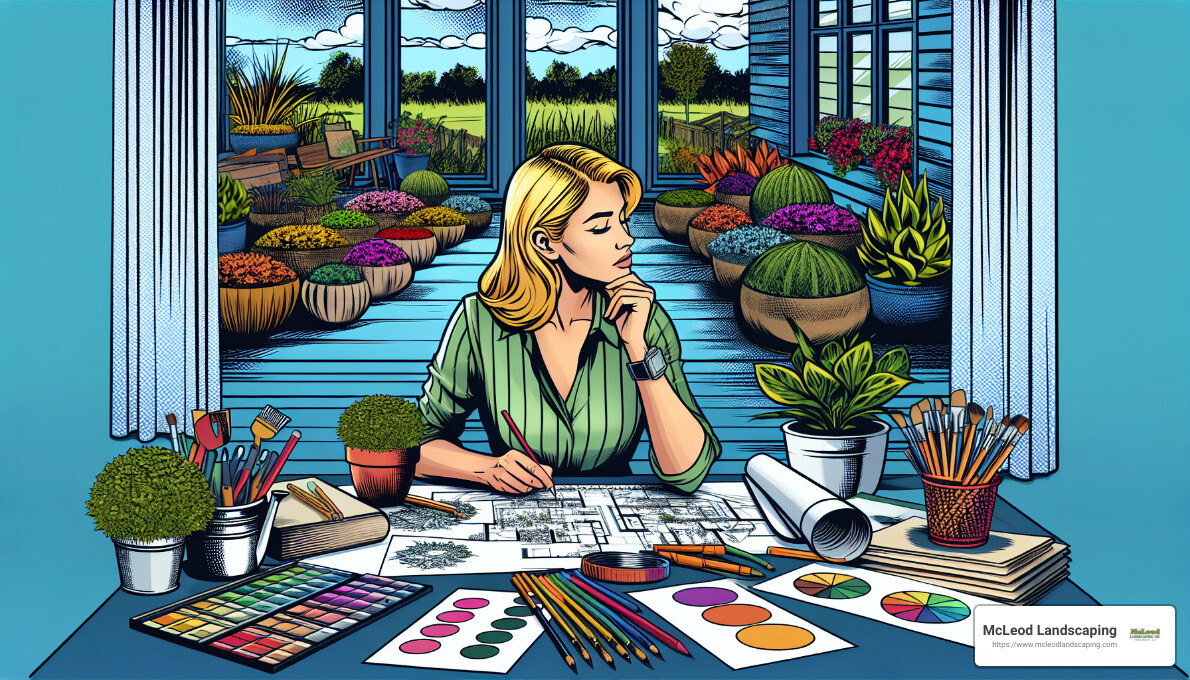
Each of these activities plays a crucial role in transforming an outdoor space from concept to creation. By balancing site visits, client meetings, presentations, and office work, landscape designers bring beautiful, functional landscapes to life.
Understanding how landscape designers make money is key to grasping the business side of this creative profession. Here’s a breakdown:
Landscape designers often use cost-based pricing. This means they calculate the total cost of materials, labor, and other expenses and then add a profit margin. This method ensures that all costs are covered, and the designer earns a fair profit.
Many landscape designers charge design fees for creating detailed plans and specifications. These fees can vary widely based on the complexity and scope of the project. For example, a simple garden redesign might have a lower fee than a complete overhaul of a large property.
Another common method is charging based on the time spent multiplied by an hourly rate. This rate can range from $60 to $120 per hour, depending on the designer’s experience and the project’s complexity. Specialized tasks might command even higher rates.
Some clients prefer to know the total cost upfront. In these cases, designers may offer a lump-sum fee. This fee covers all design work and often includes a set number of revisions. It’s a straightforward way for clients to budget for the project.
Finding and retaining clients is crucial for a landscape designer’s success. This involves networking, marketing, and building a strong portfolio. Many designers rely on word-of-mouth referrals and showcasing previous work to attract new clients.
Effective budget management is essential. Designers must stay within the client’s budget while delivering high-quality work. This involves careful planning and often negotiating with suppliers and contractors to get the best prices on materials and services.
By combining these methods, landscape designers can ensure they are fairly compensated for their work while delivering beautiful and functional outdoor spaces.
Becoming a successful landscape designer involves a blend of formal education, practical experience, and specific skills. Here’s a breakdown of what you need to know:
Most landscape designers start with a bachelor’s degree in landscape architecture or a related field. Programs like the Bachelor of Landscape Architecture (BLA) or Bachelor of Science in Landscape Architecture (BSLA) typically take 4 to 5 years to complete. These degrees are the foundation for understanding both the artistic and technical aspects of landscape design.
Choosing an accredited program is crucial. Accredited programs are approved by the Landscape Architectural Accreditation Board (LAAB), ensuring they meet industry standards. This accreditation can be essential for future licensure and employment opportunities.
For those who have an undergraduate degree in another field, a Master of Landscape Architecture (MLA) is an option. This graduate program usually takes about 3 years of full-time study and provides an in-depth understanding of landscape design and construction.
Courses typically cover a wide range of topics, including landscape design and construction, landscape ecology, and site design. The design studio is a key component, offering hands-on experience with projects that mimic real-world scenarios. Students also learn to use computer-aided design and drafting (CADD) and Geographic Information Systems (GIS), essential tools in modern landscape design.
Practical experience is vital. Many programs include internships where students work under the supervision of licensed landscape architects. These internships help students apply their classroom knowledge to real projects, honing their technical skills and understanding the day-to-day operations of the business.
To practice as a landscape architect, obtaining a license is mandatory in most states. This typically involves passing the Landscape Architect Registration Examination (LARE), which is overseen by the Council of Landscape Architectural Registration Boards. Candidates usually need a degree from an accredited program and work experience under a licensed landscape architect.
In addition to the LARE, some states require a state-specific exam. These exams test knowledge on local laws, environmental regulations, and other regional issues like earthquakes in California or hurricanes in Florida.
By combining formal education, practical experience, and licensure, landscape designers are well-equipped to create beautiful and functional outdoor spaces. Next, we’ll explore the role of McLeod Landscaping in the landscape design process.
At McLeod Landscaping, we take pride in being a full-service landscape design company. Our team handles everything from the initial concept to the final installation and ongoing maintenance. We specialize in commercial landscaping, ensuring that businesses, municipalities, and multi-family properties look their best year-round.
Our expert designers work closely with clients to bring their vision to life. Whether it’s a new landscape or a renovation, we focus on creating spaces that are both beautiful and functional. We involve all relevant construction team members from the start, including the owner, architect, and landscaper, to ensure a seamless process. This collaborative approach results in customized and sustainable landscapes that offer a positive return on investment.
Once the design is finalized, our skilled team moves on to the installation phase. This includes everything from planting trees and shrubs to installing hardscapes like patios and walkways. With more resources than any other local contractor, we ensure that projects are delivered on time and within budget.
Maintaining a landscape is just as important as designing and installing it. Our comprehensive maintenance services include lawn care, mulching, edging, and plant care. We also offer seasonal services like spring and fall clean-ups to keep properties looking their best throughout the year.
In the Merrimack Valley, winters can be harsh. That’s why we offer snow management services to keep commercial properties safe and accessible. Our team is equipped to handle everything from snow plowing to ice removal, ensuring that your property remains functional even in the toughest conditions.
By offering a full range of services, McLeod Landscaping is committed to enhancing your property, your image, and your bottom line. Our dedication to quality and customer satisfaction sets us apart in the landscape design industry.
Next, let’s delve into the skills and education required for landscape designers.
Landscape design is a unique blend of creativity, technical skills, and a commitment to environmental impact. At McLeod Landscaping, we believe that every project is an opportunity to enhance both beauty and functionality in outdoor spaces.
Our landscape designers are artists at heart. They envision spaces that are not only visually stunning but also functional. Whether it’s a lush garden, a serene park, or a vibrant outdoor living area, our team brings a touch of artistry to every project.
But creativity alone isn’t enough. Landscape designers must also possess strong technical skills. They use advanced tools like Computer-Aided Design and Drafting (CADD) and Geographic Information Systems (GIS) to create detailed plans and ensure that every element fits perfectly into the overall design. These skills allow us to turn imaginative concepts into practical, buildable plans.
The field of landscape design offers immense opportunities for professional growth. Our designers continually update their skills through courses, seminars, and hands-on experience. This commitment to lifelong learning ensures that we stay at the forefront of industry trends and innovations.
Perhaps most importantly, landscape design has a profound environmental impact. By choosing native plants, implementing water-wise gardens, and designing with the local ecosystem in mind, we create sustainable landscapes that benefit both people and the planet. Our projects often help restore wildlife habitats and encourage a deeper connection with nature.
At McLeod Landscaping, we bring all these elements together. Our residential landscaping services are designed to reflect your personality, meet your needs, and blend harmoniously with the natural environment.
From initial consultation to ongoing maintenance, we are dedicated to creating outdoor spaces that are beautiful, sustainable, and enduring. By choosing McLeod Landscaping, you are investing in a team that values quality, creativity, and environmental stewardship.
For more information on how we can transform your outdoor space, contact us today. Let’s create something beautiful together.
Contact McLeod Landscaping today at (978) 640-0957 or click here to schedule a consultation for retaining wall installation. Let our experienced team design and install a functional and visually appealing retaining wall that enhances your landscape.


1881 Main St Unit 1, Tewksbury, MA 01876