
The definition of hardscape is simple: it refers to the non-living, structural elements in your outdoor space. These include patios, walkways, retaining walls, decks, fire pits, and other permanent features made from materials like stone, concrete, brick, or wood.
Quick Definition:
– Hardscape = Non-living landscape elements (patios, walls, paths)
– Materials = Stone, concrete, brick, pavers, wood
– Purpose = Structure, function, and durability
– First used = 1972 (according to Merriam-Webster)
– Contrast = Softscape (plants, trees, grass)
Understanding hardscape is crucial whether you’re a commercial property manager looking to improve tenant satisfaction or a homeowner planning your dream outdoor space. Unlike plants that need regular watering and pruning, hardscape features provide lasting structure with minimal upkeep.
The term first appeared in 1972, distinguishing these permanent installations from the living elements of landscape design. Today, hardscape plays a vital role in creating functional outdoor areas that extend your usable space while requiring far less maintenance than traditional gardens.
As Scott McLeod, owner of McLeod Landscaping with over three decades of experience, I’ve helped hundreds of clients understand how the definition of hardscape applies to their specific needs. My team has designed and installed everything from simple walkways to complex outdoor living spaces throughout the Merrimack Valley.
Handy definition of hardscape terms:
– softscaping
– hardscape maintenance service
– hardscape design services
When you step into your backyard and see a beautiful stone patio or walk along a brick pathway, you’re experiencing hardscape in action. The definition of hardscape is beautifully straightforward: it includes all the non-living, structural elements that create the foundation of your outdoor space.
Think of hardscape as the skeleton of your landscape design. While your garden beds and lawn provide the soft, living beauty, hardscape features like patios and decks give you actual places to sit, entertain, and enjoy your outdoor space. Walkways and pathways guide you safely through your property, while retaining walls can transform a sloping yard into usable terraced areas.
The term itself has an interesting history—Merriam-Webster first recorded “hardscape” in 1972, defining it as structures like fountains, benches, or gazebos that become part of the landscape. Since then, the definition has expanded to include fire pits and outdoor fireplaces where families gather on cool evenings, water features that add tranquil sounds, and even outdoor kitchens that let you cook and dine under the stars.
What makes these elements truly “hardscape” is their construction from durable materials that stand the test of time. Whether built from natural stone, concrete, brick, or quality wood, these features maintain their beauty and function for decades. Unlike your flower beds that change with the seasons, a well-built pergola or gazebo provides the same reliable shade and structure year after year.
Driveways and parking areas might not seem glamorous, but they’re essential hardscape elements that welcome you home every day. When designed thoughtfully, even these practical features can improve your property’s overall appeal.
The formal definition of hardscape helps distinguish these features from regular construction projects. Hardscape elements are permanent structures specifically designed to integrate with your landscape while serving outdoor lifestyle needs.
What sets hardscape apart is its unique role in the built environment. These aren’t just any structures—they’re non-living materials like stone, concrete, brick, and wood that must harmonize beautifully with living plants and natural surroundings. Each element serves a functional purpose beyond simple decoration, whether that’s providing a stable surface for outdoor dining or creating defined spaces for different activities.
The structural integrity of hardscape features is crucial since they need to withstand everything New England weather throws at them, from heavy snow loads to freeze-thaw cycles. When we design hardscape projects, we’re not just thinking about how they’ll look next month—we’re planning for decades of reliable service.
True hardscape achieves something special: it feels like a natural part of your landscape despite being completely manufactured. The most successful projects create seamless integration between these permanent features and the living elements around them.
Understanding what hardscape really means helps you make smarter decisions about your outdoor investments. When you grasp the definition of hardscape, you can better communicate with contractors and plan projects that truly meet your needs.
The usability benefits are immediate and dramatic. A thoughtfully designed patio essentially gives you an extra room—one with fresh air and open skies. We’ve worked with families who rarely used their backyards until we installed hardscape features that made the space functional and inviting. Suddenly, they’re hosting dinner parties outdoors and spending weekend mornings on their new patio with coffee and the newspaper.
Low maintenance is where hardscape really shines compared to traditional landscaping. While your neighbor spends every Saturday mowing, weeding, and watering, you can relax on your stone patio knowing it needs nothing more than an occasional sweep. A properly installed hardscape feature might need professional cleaning or resealing every few years, but that’s minimal compared to the constant care that lawns and gardens demand.
The property value impact is substantial and lasting. Real estate professionals consistently report that quality hardscape features make properties more attractive to buyers and can significantly influence final sale prices. Unlike trendy interior updates that might feel dated in a few years, classic hardscape elements like natural stone patios and well-designed walkways have timeless appeal that protects your investment for decades.
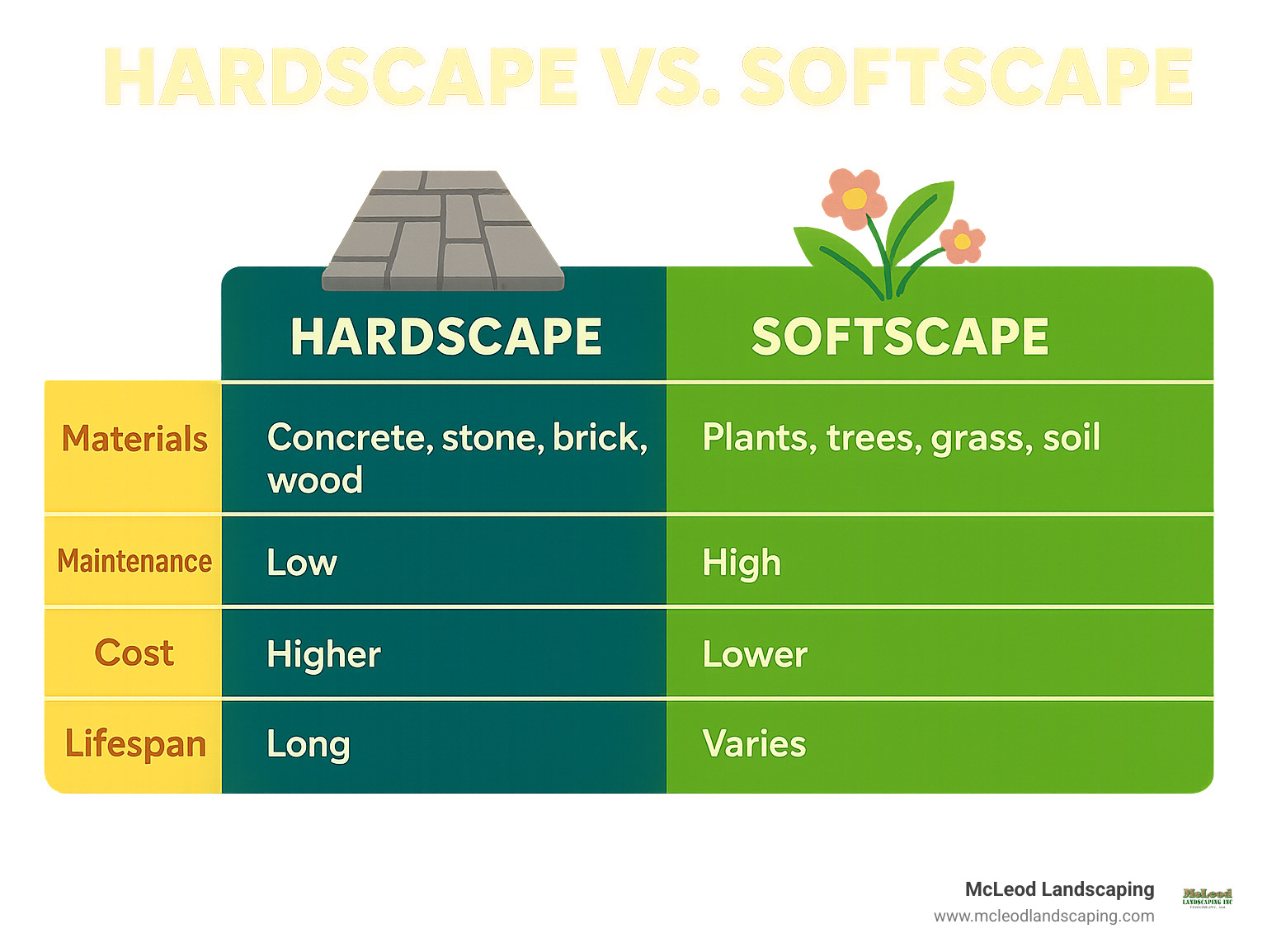
When you’re planning your outdoor space, understanding the definition of hardscape versus softscape makes all the difference. Think of it this way: if your yard were a house, hardscape would be the foundation and walls, while softscape would be the furniture and decorations that bring it to life.
Hardscape represents the permanent, non-living backbone of your landscape. We’re talking about concrete patios, stone walkways, brick retaining walls, and wooden decks—features built to last decades with minimal fuss. These elements handle the heavy lifting: directing foot traffic, managing water drainage, and creating defined spaces for outdoor living.
Softscape, on the other hand, includes everything that grows and breathes in your yard. Your grass, flower beds, shrubs, and trees fall into this category. While beautiful and essential for environmental benefits, softscape requires ongoing attention—watering, pruning, fertilizing, and seasonal replanting.
The maintenance difference is striking. A well-installed stone patio might need occasional cleaning and resealing every few years. Your lawn? That’s a weekly commitment during growing season. We’ve had clients tell us their hardscape features are the parts of their yards they actually get to enjoy instead of constantly working on.
Functionality separates these approaches too. Hardscape solves practical problems that plants simply can’t address. Got a steep slope that’s impossible to mow? Retaining walls create usable terraced spaces. Need to redirect rainwater away from your foundation? Properly graded patios and permeable pavers handle drainage better than any garden bed.
Meanwhile, softscape provides benefits that hardscape can’t match. Trees can cool your property by up to 6 degrees on hot summer days. Gardens purify air and provide habitat for wildlife. Grass absorbs rainwater and prevents erosion in ways that hard surfaces cannot.
The magic happens when both work together. Neither hardscape nor softscape creates a complete outdoor environment on its own. For a deeper dive into this important distinction, check out our comprehensive guide on Hardscaping vs Landscaping.
The permanent nature inherent in the definition of hardscape means every choice you make will impact your property for decades. That’s both exciting and a little intimidating—but understanding this helps you make smarter decisions from the start.
Surface materials matter more for hardscape than almost any other design element. In New England’s challenging climate, we see the consequences of poor material choices every spring. Natural stone and properly installed pavers consistently outperform poured concrete when freeze-thaw cycles test their limits year after year.
Climate considerations drive every hardscape recommendation we make. Massachusetts winters don’t forgive shortcuts. We design foundations below the frost line to prevent heaving, ensure proper drainage for spring snowmelt, and select materials that can handle ice loads without cracking. Summer brings its own challenges—materials must expand and contract without buckling or separating.
Installation sequence flows directly from hardscape’s structural role. Because these features form the foundation of your outdoor space, they must go in first. The heavy equipment needed for patio installation would destroy existing plantings, so we always complete walkways, retaining walls, and outdoor living areas before adding trees and gardens.
This sequencing actually works in your favor. Once hardscape is installed, you can take your time with plant selections, adding softscape elements gradually as budget and seasons allow.
The most stunning outdoor spaces we’ve created seamlessly blend hardscape structure with softscape beauty. After three decades of design work, we’ve learned that balance—not dominance by either element—creates the most appealing and functional results.
Plant borders transform stark hardscape edges into welcoming transitions. A patio surrounded entirely by lawn feels disconnected and cold. Add ornamental grasses, perennial flowers, or low shrubs along the edges, and suddenly that same patio feels like a natural part of the landscape.
Shade trees make hardscape areas actually usable during hot summer months. We’ve seen too many beautiful patios that become unusable furnaces by noon because no one planned for overhead protection. Smart hardscape design accommodates existing mature trees or leaves space for future plantings near seating areas.
Permeable pavers represent the perfect marriage of hardscape durability and softscape environmental benefits. These innovative materials maintain the structure and functionality you need while allowing water infiltration and supporting sustainable drainage practices. They bridge the gap between hard and soft elements beautifully.
The key is thinking of your yard as one integrated system where hardscape provides the framework and softscape adds the personality. Neither works optimally alone, but together they create outdoor spaces that are both beautiful and genuinely livable.
When we talk about the definition of hardscape, we’re really talking about the building blocks that transform ordinary yards into extraordinary outdoor living spaces. After three decades of creating beautiful landscapes in the Merrimack Valley, I’ve seen how the right hardscape elements can completely change how families use their outdoor space.
Patios remain the heart of most hardscape projects, and for good reason. They create that essential flat surface where life happens—family barbecues, morning coffee, evening conversations under the stars. We’ve built everything from cozy 200-square-foot breakfast nooks to sprawling 1,000-square-foot outdoor entertainment centers. The beauty of a well-designed patio is that it instantly makes your yard feel like an extension of your home.
Walkways might seem simple, but they’re actually one of the most important safety features you can add. Beyond just getting from point A to point B, thoughtfully designed pathways guide visitors through your landscape story. We’ve learned that gently curved walkways feel more inviting than straight lines and can actually make smaller yards appear larger—a little design magic that never gets old.
Retaining walls are the problem-solvers of the hardscape world. Got a slope that’s too steep to use? A retaining wall can transform that challenging hillside into multiple usable terraces. These structures work double duty, managing soil erosion while creating functional spaces that might otherwise be wasted.
The popularity of outdoor kitchens has absolutely exploded in recent years. What started as simple grill surrounds has evolved into full outdoor cooking experiences complete with countertops, storage, and even refrigeration. There’s something special about preparing meals in the fresh air that brings families together in ways indoor cooking just can’t match.
Fire features extend your outdoor season well into New England’s cooler months. Whether it’s a simple fire pit for roasting marshmallows or an neat fireplace that anchors your outdoor room, these elements create natural gathering spots where memories are made.
Pergolas and gazebos add that crucial vertical dimension to outdoor spaces. They provide shade during hot summer days while maintaining the open, airy feel that makes outdoor living so appealing.
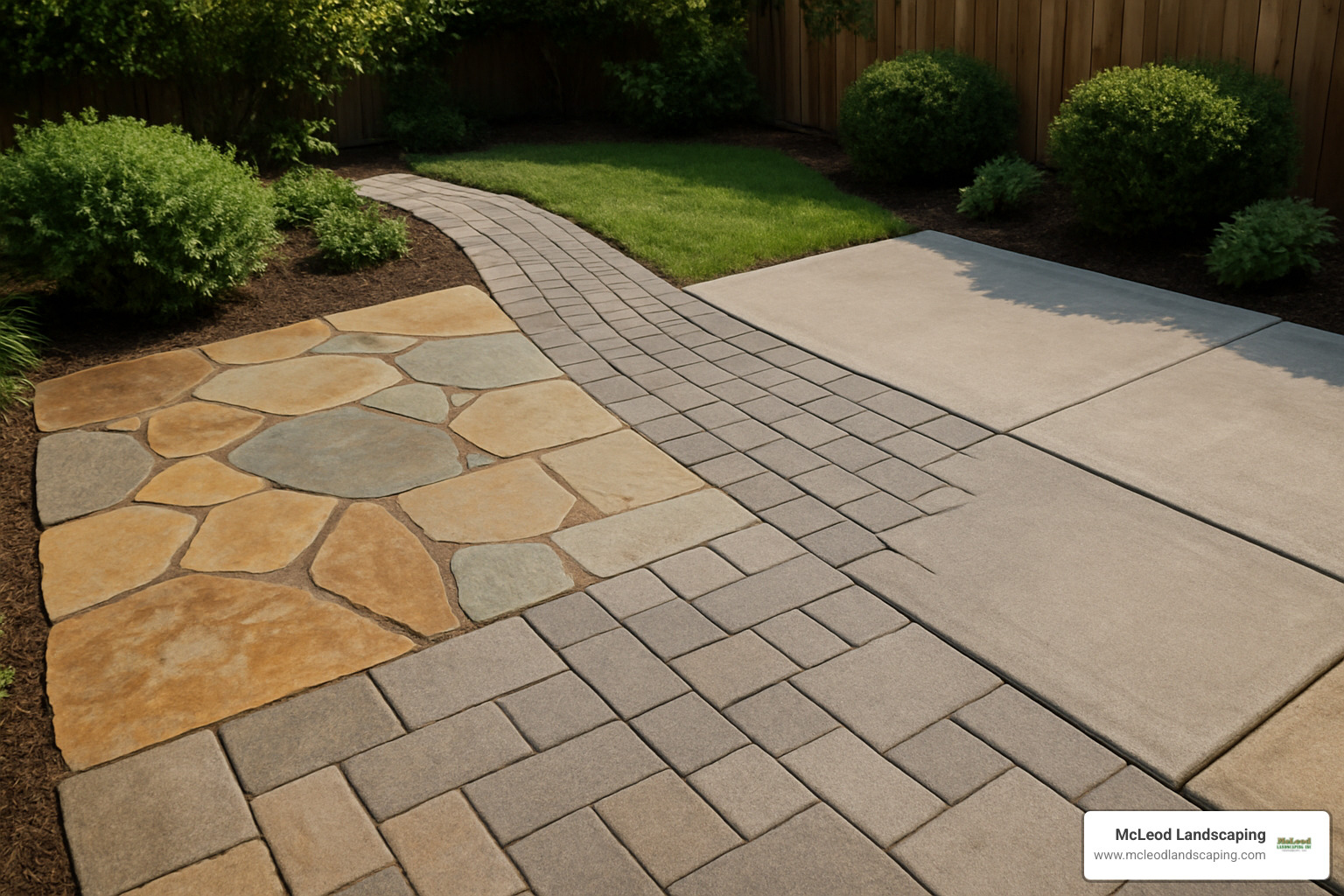
The materials you choose for these features matter just as much as the design itself. Concrete remains the workhorse of hardscape materials—versatile, durable, and surprisingly beautiful when properly finished. Modern techniques allow us to stamp, color, and texture concrete to mimic natural materials while providing superior longevity.
Pavers offer incredible flexibility, available in concrete, clay, or natural stone varieties. One of their biggest advantages is repairability—if a single paver gets damaged, we can replace just that piece without redoing your entire patio.
Natural stone brings best beauty and character to any project. Flagstone, bluestone, granite, and fieldstone each tell their own story, with unique patterns and textures that manufactured materials simply can’t replicate. Yes, natural stone typically costs more upfront, but its beauty and durability make it a smart long-term investment.
Wood and composite materials excel in deck construction and certain vertical applications. While wood provides natural warmth and beauty, modern composite materials offer similar aesthetics with significantly reduced maintenance requirements—perfect for busy homeowners.
For a deeper dive into our hardscape capabilities, check out our comprehensive Define Hardscaping page.
Understanding material costs helps you make informed decisions about your hardscape investment. That actual project costs depend on many factors including site conditions, design complexity, and specific material selections.
Concrete typically ranges from $8-$25 per square foot based on internet averages. Basic poured concrete starts at the lower end, while decorative stamped or colored concrete reaches the higher range. It’s hard to beat concrete for versatility and long-term durability.
Pavers generally cost $12-$45 per square foot, with concrete pavers being most affordable and natural stone pavers commanding premium prices. The wide range reflects the enormous variety available—from basic concrete units to hand-cut natural stone pieces.
Natural stone runs $20-$75 per square foot, with flagstone and fieldstone at the lower end and premium materials like granite and bluestone at the higher end. The investment reflects not just material costs but the skilled craftsmanship required for proper installation.
Wood and composite decks range from $15-$60 per square foot, depending on material choice and design complexity. Pressure-treated lumber offers the most economical option, while exotic hardwoods and premium composites reach the upper price ranges.
These are average costs based on internet data and not actual costs for McLeod Landscaping. Every project is unique, and we’re happy to provide detailed estimates based on your specific needs and preferences.
The definition of hardscape has evolved to include environmental responsibility, and we’re excited to offer sustainable options that don’t compromise on beauty or performance. Green hardscape choices benefit both your property and the broader environment.
Permeable pavers represent one of the most important innovations in sustainable hardscape design. These specially designed surfaces allow water to infiltrate rather than run off, reducing flooding risks while supporting groundwater recharge. They’re particularly valuable in urban areas where traditional hardscape can contribute to stormwater management problems.
Recycled materials offer environmental benefits while maintaining the performance standards you expect. Recycled concrete aggregate, reclaimed brick, and recycled plastic lumber all reduce waste while creating beautiful, durable installations.
Locally sourced stone makes sense both environmentally and practically. Using regional materials reduces transportation impacts while ensuring your hardscape materials are naturally suited to our New England climate conditions.
Fly-ash concrete incorporates industrial waste products that would otherwise end up in landfills. This alternative often actually improves concrete performance while reducing environmental impact—a true win-win situation.
When we do use wood elements, we prioritize sustainably harvested lumber from certified sources. This ensures responsible forest management practices while providing the natural beauty that makes wood such an appealing hardscape material.
For additional information about sustainable landscape practices, the EPA provides excellent resources on green infrastructure that can help you understand the broader environmental benefits of thoughtful hardscape design.
When you understand the true definition of hardscape as permanent, structural landscape elements, the benefits become crystal clear. After three decades of changing outdoor spaces throughout the Merrimack Valley, we’ve seen how hardscape features change the way families and businesses use their properties.
The most immediate benefit is expanded living space. That unused corner of your yard becomes an outdoor dining room with the right patio. A steep, unusable slope transforms into terraced entertainment areas with retaining walls. We’ve helped clients effectively add hundreds of square feet of usable space without the expense and complexity of home additions.
Curb appeal improvements happen instantly with well-designed hardscape. A beautiful front walkway welcomes visitors and creates that crucial first impression. Professional-looking retaining walls turn problem areas into attractive landscape features. The visual impact is immediate and lasting.
The property value increase from quality hardscape consistently surprises our clients. Outdoor living spaces rank among the top features that buyers actively seek, especially as more people prioritize outdoor entertaining and low-maintenance properties. The permanent nature inherent in the definition of hardscape means these improvements add lasting value, not just temporary appeal.
Water conservation becomes effortless when hardscape replaces high-maintenance lawn areas. No more weekly watering schedules or worrying about brown spots during dry spells. This benefit has become increasingly valuable as water costs rise and environmental consciousness grows.
Safety improvements might not be glamorous, but they matter enormously. Proper walkways eliminate muddy paths and tripping hazards. Level patios replace uneven ground that can cause falls. Good lighting integrated with hardscape features makes evening navigation safe and pleasant.
Perhaps the biggest long-term benefit is the low maintenance that defines quality hardscape. While your neighbors spend weekends mowing, weeding, and replanting, you’re actually enjoying your outdoor space. A well-built stone patio needs occasional cleaning—that’s about it.
For comprehensive information about maintaining your hardscape investment, visit our Hardscaping Services page.
The beauty of hardscape maintenance lies in its simplicity. Unlike gardens that demand constant attention, hardscape features need just basic care to look great for decades.
Sealing protects your investment and keeps surfaces looking fresh. Most natural stone and concrete pavers benefit from sealing every two to three years. This prevents staining and weather damage while maintaining that “just installed” appearance. We always recommend professional sealing because the right products and techniques make an enormous difference in results and longevity.
Pressure washing once a year removes the dirt, algae, and stains that naturally accumulate outdoors. Different materials need different approaches—natural stone requires gentler treatment than concrete to avoid surface damage. The change from a simple cleaning often amazes our maintenance clients.
Joint sand maintenance keeps paver installations stable and attractive. The sand between pavers occasionally needs replenishment, especially after harsh winters or heavy rains. Polymeric sand offers superior performance because it resists washout and helps prevent weed growth between pavers.
Frost-line foundations represent the most critical aspect of hardscape longevity in New England. Proper installation below our region’s deep frost line prevents the soil movement that destroys inadequately built features. This isn’t visible maintenance, but it’s why professionally installed hardscape lasts decades while DIY projects often fail within years.
Drainage system care means keeping gutters, drains, and channels clear of leaves and debris. Clogged drainage can cause water backup that damages foundations and creates safety hazards. A few minutes of attention during seasonal cleanups prevents expensive problems later.
The financial benefits of hardscape extend far beyond the initial installation, creating value that compounds over time.
Higher resale value consistently rewards homeowners who invest in quality hardscape. Buyers actively seek properties with outdoor living spaces, especially those featuring low-maintenance elements. Patios, outdoor kitchens, and attractive walkways often become the deciding factors when buyers choose between similar properties.
Buyer appeal has shifted dramatically toward outdoor spaces in recent years. The definition of hardscape as permanent, functional outdoor features perfectly matches what today’s buyers want—spaces they can enjoy immediately without ongoing landscape projects or maintenance commitments.
Tax considerations vary by municipality, but permanent hardscape improvements may affect property assessments. While this can increase property taxes slightly, it reflects genuine increased property value that benefits you whether you stay or sell.
Long-term savings accumulate because quality hardscape simply lasts. A properly installed natural stone patio can serve your family for fifty years or more with minimal maintenance costs. Compare that to the ongoing expenses of maintaining large lawn areas—weekly mowing, seasonal fertilizing, periodic reseeding, equipment maintenance, and water bills.
The durability inherent in the definition of hardscape means you’re making a one-time investment in decades of enjoyment and functionality. That’s a return on investment that keeps paying dividends year after year.
The permanent nature inherent in the definition of hardscape makes thoughtful planning absolutely essential. Unlike planting a garden that you can adjust season by season, hardscape features are meant to last decades—which means getting them right the first time really matters.
We’ve learned over three decades that successful hardscape projects begin long before the first shovel hits the ground. Site grading forms the foundation of everything we do. Water has to go somewhere, and if we don’t plan for it properly, Mother Nature will make her own plans—usually involving puddles where you want to walk and erosion where you don’t expect it.
Drainage planning becomes even more critical when you understand that hardscape surfaces shed water rather than absorbing it like soil. A 400-square-foot patio can shed over 240 gallons of water from just one inch of rainfall. That water needs a place to go that won’t cause problems for you or your neighbors.
The permit requirements for hardscape projects often surprise homeowners. Retaining walls over certain heights, structures near property lines, and projects that affect drainage patterns typically require permits in Massachusetts. We handle this paperwork as part of our service because navigating municipal requirements can be frustrating for property owners who just want to enjoy their outdoor space.
Regional code compliance matters more than many people realize. Massachusetts building codes address accessibility requirements, structural standards, and environmental considerations that affect hardscape design. Professional installers understand these requirements and design projects that meet code while achieving your aesthetic goals.
Seasonal timing plays a huge role in New England hardscape projects. We prefer spring and fall installations when temperatures are moderate and soil conditions are stable. Summer heat can stress both materials and workers, while winter conditions make proper installation nearly impossible.

The professional versus DIY question comes up frequently. While we admire homeowner enthusiasm, most hardscape projects require specialized knowledge and equipment. Proper base preparation, drainage design, and structural installation techniques typically exceed what weekend warriors can accomplish safely and effectively.
After installing hundreds of hardscape projects, we’ve encountered virtually every challenge imaginable. The good news? Most problems are preventable with proper planning and professional installation.
Stormwater runoff tops our list of potential issues. Traditional hardscape increases surface runoff, which can overwhelm existing drainage systems and create flooding problems. We solve this through permeable paver systems that allow water infiltration, integrated drainage features that capture and redirect water, and strategic grading that works with natural water flow patterns rather than fighting them.
Soil movement presents ongoing challenges in New England’s freeze-thaw climate. Frost can penetrate four feet deep in our region, causing soil expansion that destroys improperly installed hardscape. Our solutions include foundations below the frost line, proper base preparation with drainage layers, and flexible paver systems that accommodate minor movement without cracking.
Budget constraints affect most projects, but smart planning allows phased installation that spreads costs over time. We design projects that can be built in stages, starting with the most essential features and adding others as budgets allow. This approach also lets homeowners live with phase one before committing to additional features.
Trade coordination becomes complex when projects involve utilities, excavation, hardscape installation, and landscape planting. Professional project management ensures proper sequencing—you don’t want the irrigation contractor digging through your newly installed patio to reach a water line.
Understanding project flow helps set realistic expectations and reduces stress for everyone involved. The definition of hardscape as permanent features means we can’t rush critical steps without compromising long-term results.
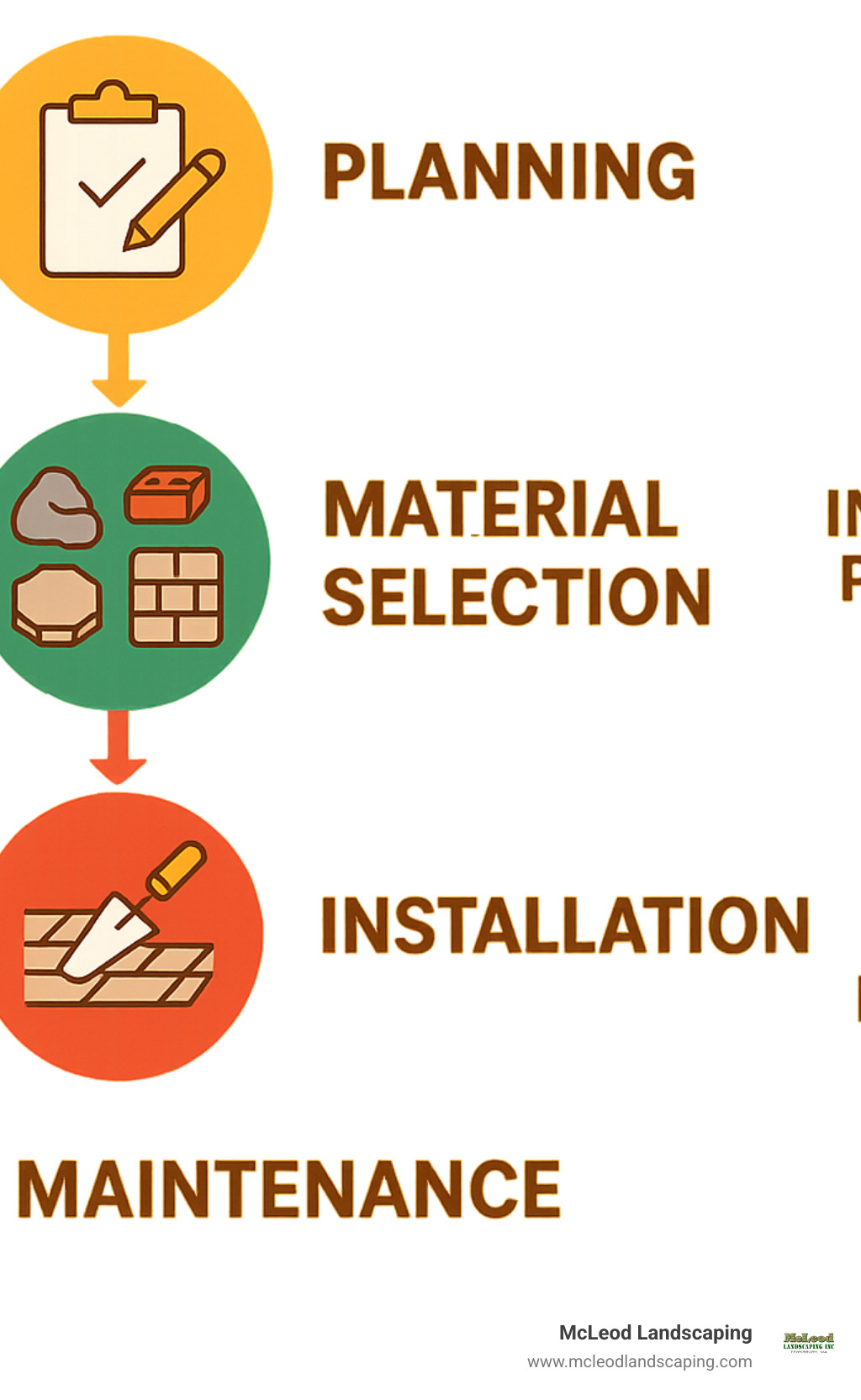
Our planning phase typically takes two to four weeks and includes site analysis, design development, permit applications, and material ordering. This might seem lengthy, but thorough planning prevents expensive changes during construction.
Demolition and site preparation usually requires one to three days, depending on project scope. This phase includes removing existing features, excavation, grading, and protecting utilities. Proper site prep is crucial—shortcuts here cause problems later.
Hardscape installation takes three to ten days for most residential projects. This includes base preparation, drainage installation, and feature construction. We inspect each phase before proceeding to ensure quality standards.
Softscape integration completes the project with plant installation, mulching, and final cleanup. This typically requires one to three days and transforms the construction site into your new outdoor living space.
The key to successful hardscape projects lies in respecting the process. Rushing installation to meet artificial deadlines compromises the durability and beauty that define quality hardscape work.
The definition of hardscape covers a surprisingly wide range of permanent, non-living features that form your outdoor space’s structural foundation. After three decades of installations, we’ve built just about everything that falls under this category.
Horizontal surfaces make up the majority of hardscape projects we complete. These include patios where families gather for summer barbecues, walkways that safely guide visitors to your front door, and driveways that withstand New England’s harsh winters. Pool decks and outdoor dining areas also fall into this category—any permanent surface you can walk or place furniture on.
Vertical elements add structure and functionality to your landscape. Retaining walls solve drainage problems while creating usable space on slopes. Garden walls define planting areas and provide seating. Privacy screens block unwanted views, and pergolas create intimate outdoor rooms. We’ve built walls ranging from simple garden borders to complex terraced systems that transform steep yards into functional spaces.
Water features represent an interesting category because only the structural components qualify as hardscape. The stone fountain basin, concrete pond liner, and decorative spillways all count, while the water plants and fish belong to softscape. We often explain to clients that the “bones” of water features are hardscape, but the living elements that make them beautiful are not.
Functional structures have become increasingly popular as outdoor living gains importance. Outdoor kitchens, fire pits, and built-in seating areas extend your home’s living space into the yard. Storage areas and utility structures also qualify, though they’re less glamorous than entertainment features.
The key criterion for the definition of hardscape is permanence combined with non-living materials. If it’s built to last decades using stone, concrete, brick, metal, or wood, it’s probably hardscape. Portable furniture, seasonal decorations, and temporary features don’t make the cut.
This question comes up in nearly every consultation, and for good reason. Hardscape dramatically changes how water moves across your property because these surfaces don’t absorb water like soil and plants do. Understanding this impact is crucial for successful outdoor design.
Traditional hardscape increases both the volume and speed of surface runoff. A 400-square-foot patio that receives one inch of rainfall produces about 250 gallons of runoff—water that would have slowly soaked into soil now rushes toward the nearest low point. Without proper planning, this can create pooling, erosion, or even basement flooding.
We’ve seen plenty of drainage disasters over the years, usually from well-meaning DIY projects or contractors who didn’t consider water management. Common problems include water pooling against house foundations, erosion channels carved by concentrated runoff, and overwhelmed existing drainage systems. One memorable project involved fixing a beautiful stone patio that had been installed without drainage—every rainstorm turned the homeowner’s basement into a swimming pool.
Modern hardscape design addresses these challenges through several proven strategies. Permeable pavers allow water infiltration while maintaining the durability and appearance of traditional materials. Proper grading directs water away from structures toward appropriate drainage areas like rain gardens or existing storm systems.
We always design integrated drainage solutions that consider the entire property’s water flow patterns. French drains, catch basins, and underground piping systems can handle large volumes while remaining invisible. Rain gardens capture and filter runoff while adding beautiful planted areas that complement hardscape features.
The key is professional design that treats water management as an integral part of hardscape planning, not an afterthought. When done correctly, hardscape can actually improve drainage by controlling and directing water flow more effectively than natural terrain.
Permit requirements catch many homeowners by surprise, but they’re an important part of responsible hardscape installation. The rules vary by location and project scope, so we always research requirements during the planning phase.
Larger structural features almost always require permits. Retaining walls over four feet high need engineering review and permits in most Massachusetts communities. Any structure within property setback areas requires approval, as do projects that significantly alter drainage patterns. Work near wetlands, streams, or other environmentally sensitive areas typically involves multiple permits and environmental review.
Electrical and plumbing work for outdoor kitchens, lighting systems, or water features requires permits regardless of the hardscape components. We coordinate with licensed electricians and plumbers to ensure all work meets code requirements and passes inspection.
Smaller projects like basic patios or walkways may not require permits, but it’s always worth checking. Some communities have specific requirements based on square footage, proximity to property lines, or impact on neighboring properties. What seems like a simple project can sometimes trigger permit requirements due to local regulations.
Professional installation benefits extend beyond technical expertise to regulatory knowledge. Licensed contractors understand local requirements and handle permit applications as part of comprehensive service. In Massachusetts, structural landscaping work over a certain value requires licensed contractors—a regulation that protects homeowners while ensuring quality work.
We handle permit research and applications for our clients because navigating municipal requirements can be confusing and time-consuming. This ensures code compliance, protects your investment, and prevents costly problems during resale. The definition of hardscape as permanent improvements means these features will be scrutinized during property transfers, making proper permits essential for long-term peace of mind.
Understanding the definition of hardscape is like having a roadmap for creating the outdoor space you’ve always wanted. These permanent, non-living landscape elements form the backbone of functional outdoor living, providing structure and beauty that lasts for decades with minimal fuss.
Think of hardscape as the foundation that makes everything else possible. Whether it’s a cozy patio where you’ll enjoy morning coffee for years to come, sturdy walkways that keep your family safe in all weather, or retaining walls that transform a troublesome slope into usable space, these features solve real problems while adding lasting value to your property.
The magic happens when hardscape and softscape work together in harmony. Professional installation ensures that your investment will stand the test of time, with proper drainage systems, code compliance, and the kind of attention to detail that prevents costly problems down the road. We’ve seen too many DIY projects that looked great initially but failed within a few years due to poor foundation work or drainage issues.
What really makes hardscape special is its low-maintenance nature. While your neighbor is spending every weekend mowing, weeding, and watering, you’ll be relaxing on your stone patio or entertaining friends around your fire pit. It’s outdoor living made simple.
The return on investment speaks for itself. Beyond the immediate enjoyment, well-designed hardscape features consistently appeal to future buyers and add measurable value to your property. In today’s market, outdoor living spaces aren’t just nice to have—they’re expected.
As a local expert with over three decades of experience serving the Merrimack Valley, McLeod Landscaping has helped hundreds of clients find how the right hardscape features can completely transform their relationship with their outdoor space. We’ve learned that the best projects start with understanding exactly what hardscape can and can’t do, then designing solutions that fit your lifestyle and budget.
Ready to explore how hardscape can work for your property? Visit our Hardscaping Services page to see our full range of design and installation capabilities, or give us a call to discuss your vision. Your dream outdoor space is more achievable than you might think.
Contact McLeod Landscaping today at (978) 640-0957 or click here to schedule a consultation for retaining wall installation. Let our experienced team design and install a functional and visually appealing retaining wall that enhances your landscape.

1881 Main St Unit 1, Tewksbury, MA 01876