
The difference between landscape and hardscape is fundamental to planning any outdoor space. Here’s a quick explanation:
| Feature | Landscape (Softscape) | Hardscape |
|---|---|---|
| Definition | Living elements like plants, trees, flowers, and grass | Non-living elements like stone, concrete, brick, and wood structures |
| Examples | Lawns, garden beds, shrubs, trees | Patios, walkways, retaining walls, decks, driveways |
| Maintenance | Regular (weekly/seasonal) | Minimal (annual/occasional) |
| Upfront Cost | Generally lower | Usually higher |
| Lifespan | Seasonal to several years | Many years to decades |
| Benefits | Environmental cooling, wildlife habitat, aesthetic appeal | Durability, functionality, extended living space |
When planning your yard or commercial property, understanding the difference between landscape and hardscape helps you create balanced, functional outdoor spaces that serve both practical and aesthetic purposes.
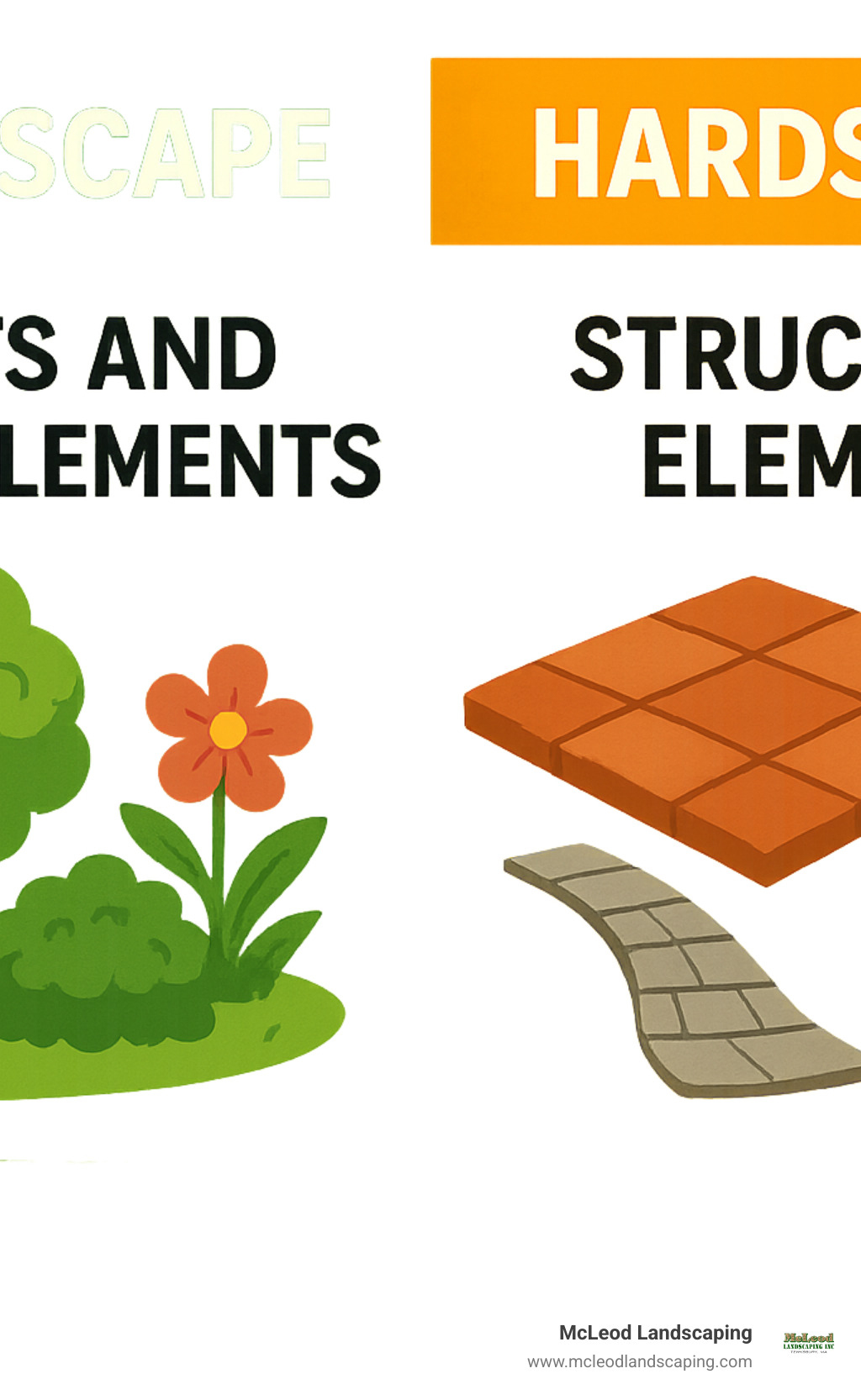
Landscaping refers to the living, growing elements that change with seasons and require regular care. These include lawns, trees, shrubs, flowers, and other plantings that add color, texture, and environmental benefits to your property.
Hardscaping encompasses all the non-living, structural elements that provide function and framework. These include patios, walkways, retaining walls, fences, and other permanent features that define spaces and improve usability.
The best outdoor designs combine both elements thoughtfully. A yard with only plants might look lush but lack usable space, while a property with only hardscape features might feel cold and uninviting.
I’m Scott McLeod, owner of McLeod Landscaping, and with over 30 years of experience integrating hardscape and landscape elements for properties throughout the Merrimack Valley, I’ve seen how understanding the difference between landscape and hardscape transforms ordinary yards into exceptional outdoor living spaces.
Must-know difference between landscape and hardscape terms:
– softscaping
– hardscape maintenance service
– hardscape install
Ever noticed how a lush, green yard just feels alive? That’s the magic of landscaping – or softscaping as the pros call it. These are all the living, growing elements that breathe life into your outdoor space. When most folks picture landscaping, they imagine vibrant flower beds, manicured lawns, and shade trees that transform with each season.
The term “softscape” perfectly captures what makes these elements special – they’re soft, flexible, and constantly changing. Unlike their hardscape counterparts, landscape elements grow, bloom, shed leaves, and transform throughout the year, creating a dynamic outdoor environment that evolves right before your eyes.
But landscaping offers far more than just pretty scenery. These living components provide remarkable environmental benefits:
Did you know? Properties with thoughtfully designed landscapes can command rental rates up to 7% higher than properties without – proving that investing in quality landscaping literally pays off!
More info about Landscape Design
A well-designed landscape combines several essential elements that work together like a symphony:
Garden beds serve as the canvas for your landscape artwork, filled with flowers, shrubs, and ornamental plants that add splashes of color and texture throughout the seasons. Turf areas – your lawn – provide open, usable space for everything from family picnics to impromptu football games while creating a visual foundation that ties everything together.
Native plants deserve special attention in New England landscapes. These hometown heroes naturally belong in our region, requiring less maintenance and supporting local ecosystems far better than exotic imports. They’ve evolved to handle our unique climate conditions, from humid summers to freezing winters.
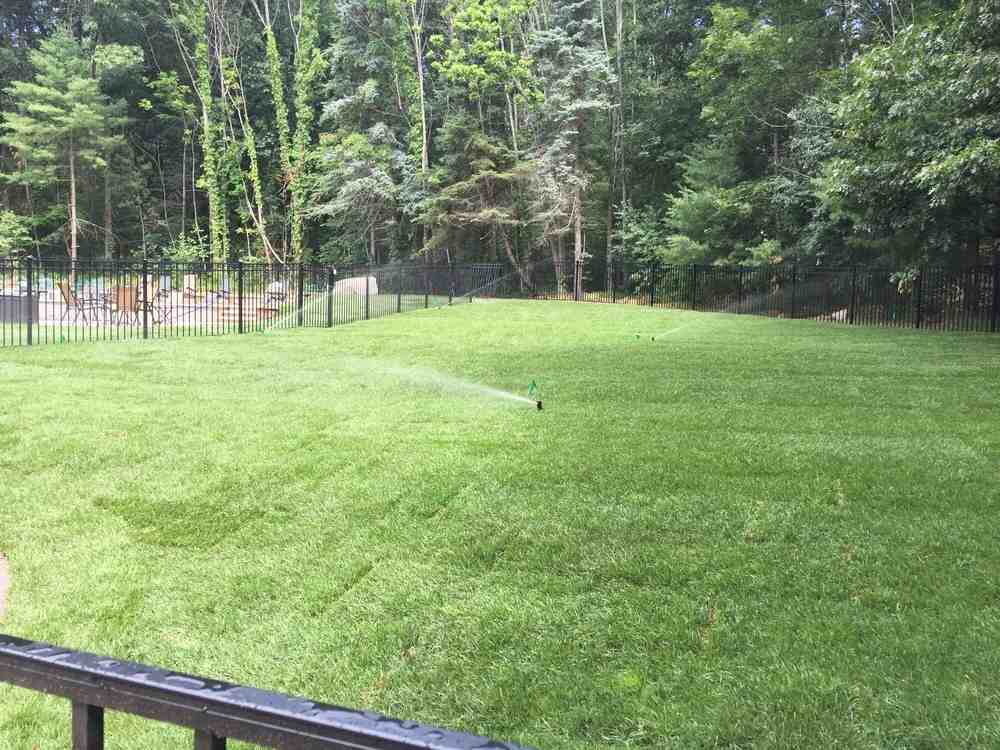
No landscape thrives without proper hydration. Well-designed irrigation systems ensure your plants receive just the right amount of moisture while conserving water. And don’t underestimate the power of mulch – this protective ground covering retains soil moisture, fights weeds, regulates soil temperature, and adds a finished look to your beds.

Like anything worthwhile, landscaping comes with both advantages and challenges. Let’s look at what makes it special – and what you should consider before diving in.
On the plus side, landscaping creates a natural cooling effect that’s truly impressive. Research shows that lawns and landscape plants can reduce air temperatures by 7 to 14 degrees Fahrenheit – potentially slashing your summer air conditioning bills by up to 25%! Plants also act as natural air purifiers, absorbing carbon dioxide and releasing oxygen.
One of the most delightful aspects of landscaping is how it changes with the seasons. From spring bulbs to summer blooms, fall colors to winter textures, living elements provide ever-changing visual interest throughout the year. And compared to hardscaping, landscaping typically requires a lower upfront investment to establish, with the flexibility to modify as your preferences evolve.
However, the difference between landscape and hardscape becomes most apparent when considering maintenance. Living elements require regular attention – mowing, pruning, fertilizing, and watering – to maintain their health and appearance. Here in New England, our distinct seasons mean some landscape elements go dormant or need special care during winter months.
Water requirements present another consideration, particularly during establishment periods and dry spells when landscapes may need significant irrigation. And some elements, especially annual plants, have shorter lifespans requiring regular replacement.
Understanding these pros and cons helps you create the perfect balance between landscape and hardscape elements – something we’ve been helping Merrimack Valley property owners achieve for over three decades at McLeod Landscaping.
Think of hardscaping as the backbone of your outdoor space – all those sturdy, non-living elements that give your property structure and function. While your landscape elements grow and change, hardscape features like patios, walkways, retaining walls, and decks provide the permanent framework that defines your outdoor living areas.
I often tell my clients that hardscaping is what turns a pretty yard into a truly usable outdoor space. These features are built from durable materials – stone, brick, concrete, and wood – that stand up to New England’s sometimes challenging weather conditions. Unlike the plants in your garden that need constant attention, your hardscape elements remain steadfast through rain, snow, and seasonal changes.
Hardscape features do more than just look good – they solve real problems for homeowners. That sloped backyard that was impossible to use? A well-designed retaining wall system can transform it into level, usable space. The muddy path from your driveway to the front door? A beautiful paver walkway keeps feet dry while enhancing your home’s curb appeal.
For many of our clients in the Merrimack Valley, hardscaping provides year-round functionality that landscaping alone simply can’t offer. Even in January, you can still enjoy that beautiful stone patio (once you’ve shoveled the snow off, of course!).
The difference between landscape and hardscape becomes clear when you look at what makes up each category. At McLeod Landscaping, we regularly install these popular hardscape elements throughout our service area:
Paver patios create inviting outdoor living spaces where families gather for meals and conversation. Fire pits extend those gatherings well into the evening and shoulder seasons, becoming natural focal points for storytelling and marshmallow roasting. Walkways and stairs not only guide visitors through your property but also protect your garden beds from foot traffic.
Driveways might seem purely functional, but with today’s material options, they can be as beautiful as they are practical. Pergolas and arbors add vertical interest while defining specific areas within your yard. Retaining walls tame sloping properties while creating visual interest, and fences provide privacy and security with style.

The benefits of hardscaping are substantial and long-lasting. Unlike that lawn that needs weekly mowing or those perennials that require regular deadheading, a well-built patio might just need an occasional power washing to look its best. This durability translates to decades of enjoyment with minimal upkeep – a real advantage for busy homeowners.
Hardscaping effectively extends your living space outdoors, creating rooms without roofs where you can dine, entertain, and relax. For families with members who have mobility challenges, smooth, level hardscape surfaces make the entire property more accessible and enjoyable for everyone.
In our New England climate, hardscape features remain functional through most weather conditions. That paver patio will be ready for use as soon as the snow melts, while your lawn might need weeks to recover from winter dormancy.
But hardscaping isn’t without limitations. The upfront investment is typically higher than landscaping, reflecting the cost of quality materials and skilled labor. Once installed, these features aren’t easily changed – you can’t simply dig up and relocate a stone retaining wall the way you might transplant shrubs.
Many substantial hardscape projects require municipal permits and must comply with local building codes, adding steps to the process. Some hardscape materials, particularly darker pavers and concrete, can absorb heat during summer months, making them uncomfortably warm underfoot on the hottest days.
Perhaps the most significant consideration is drainage. Adding impervious surfaces to your property means rainwater has fewer places to naturally absorb. This requires thoughtful planning to prevent pooling water and potential foundation issues – something we always account for in our designs at McLeod Landscaping.
Understanding the difference between landscape and hardscape helps you make informed decisions about how to balance these elements for a yard that’s both beautiful and functional through all four seasons.
When planning your outdoor space, understanding the difference between landscape and hardscape is like knowing the difference between the actors and the stage in a play. Both elements are essential, but they serve very different purposes in creating your outdoor sanctuary.
Think of your landscape as the living, breathing part of your yard – the plants that grow, bloom, and change with the seasons. Your hardscape provides the foundation and structure that supports and showcases those living elements. When thoughtfully combined, they create outdoor spaces that are both beautiful and functional.
The fundamental difference between landscape and hardscape comes down to one simple contrast: living versus non-living elements. Your landscape features grow, change colors with the seasons, and require regular care. Your hardscape elements provide permanent structure and stability, requiring minimal upkeep once installed.
Here’s how they compare across different aspects:
| Aspect | Landscape (Softscape) | Hardscape |
|---|---|---|
| Composition | Living plants, soil, mulch | Stone, concrete, brick, wood |
| Lifespan | Seasonal to several years | Many years to decades |
| Maintenance | Regular (weekly/seasonal) | Minimal (annual/occasional) |
| Primary Function | Aesthetic, environmental | Structural, functional |
| Flexibility | Easily changed or updated | Relatively permanent |
| Water Interaction | Absorbs, uses water | Redirects, sheds water |
| Installation | Often DIY-friendly | Frequently requires professionals |
| Seasonal Change | Dramatic visual changes | Consistent appearance |
| Environmental Impact | Positive (cooling, habitat) | Neutral to negative (heat absorption) |
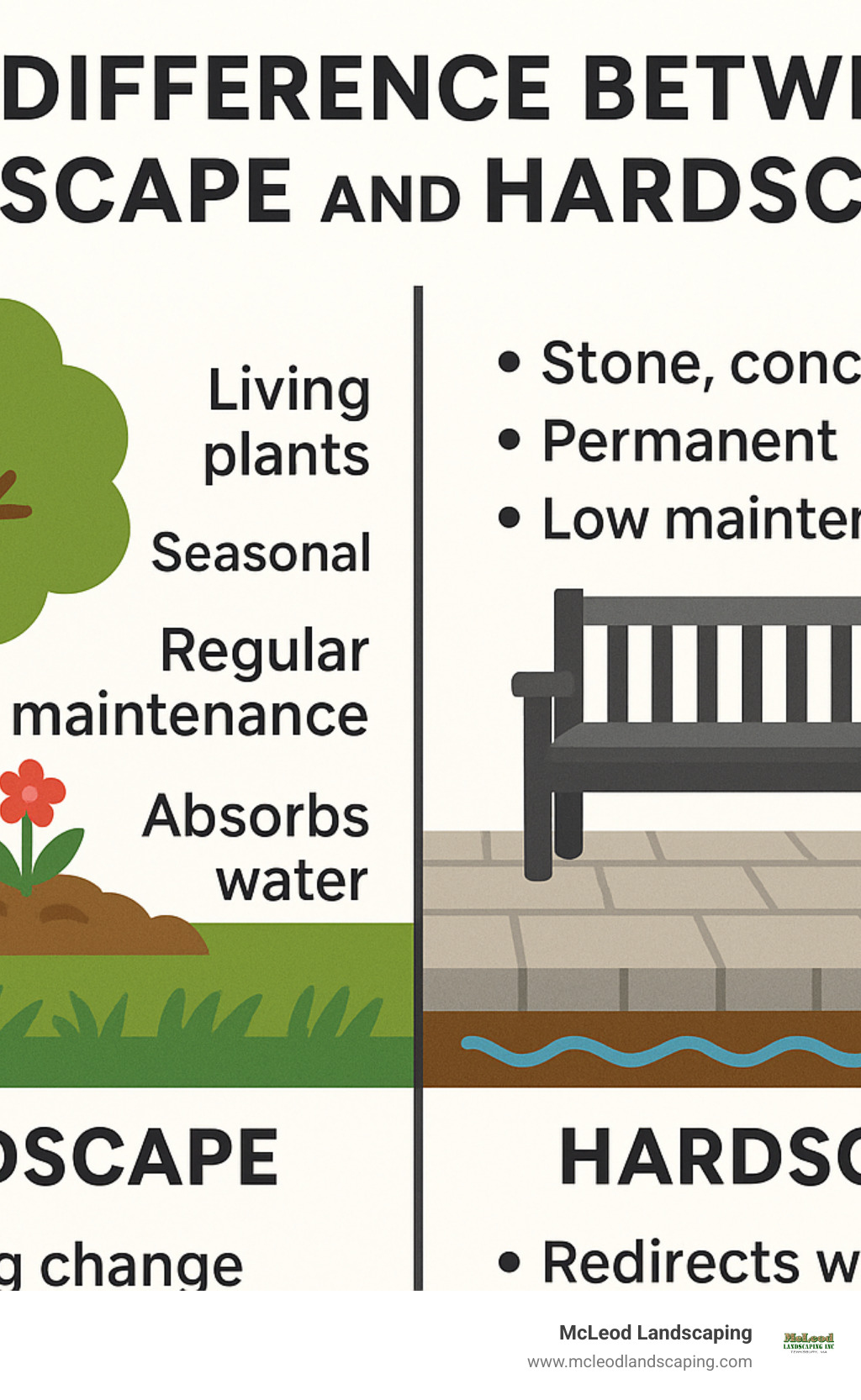
Beyond just their appearance, the difference between landscape and hardscape extends to how these elements actually function in your yard.
Your landscape elements use organic materials that are part of nature’s cycle – soil that nourishes, plants that grow, and mulch that eventually breaks down to feed the system again. In contrast, hardscape features rely on durable, weather-resistant materials like concrete, natural stone, and pressure-treated lumber that stand up to years of New England weather.
While your garden beds can be easily reimagined with new plants next season, that stone patio you just installed is there for the long haul. This permanence is both the beauty and challenge of hardscaping – it’s built to last, but changes require significant effort and investment.
The care requirements couldn’t be more different either. Your lawn needs weekly mowing, your shrubs seasonal pruning, and your flowers regular watering. Your paver patio? Perhaps a good power washing once a year and occasional resealing every few years. This maintenance contrast is why many homeowners in the Merrimack Valley are thoughtfully balancing these elements in their yards.
When it rains, your landscape and hardscape work together in completely different ways. Your lawn and garden beds act like natural sponges, absorbing rainfall, filtering water, and reducing runoff through complex root systems. Meanwhile, your hardscape features need to be carefully designed to redirect water away from your home’s foundation and prevent pooling or erosion.
As New England’s seasons change, your landscape naturally adapts – going dormant in winter and bursting back to life in spring. Your hardscape remains steadfast through blizzards and heat waves, though certain features like irrigation systems and water features need winterization to prevent freeze damage.
Understanding the difference between landscape and hardscape isn’t just academic – it has practical implications for your property and wallet.
When planning your budget, hardscape elements typically require larger upfront investments but minimal long-term costs. That beautiful stone patio might cost more initially than a garden bed, but you won’t be buying new plants or mulch for it every season. This knowledge helps you balance immediate costs against long-term maintenance expenses.
The sequence of installation matters too. At McLeod Landscaping, we always recommend installing hardscape elements before landscape features. There’s nothing more frustrating than damaging your newly planted perennial garden while trying to bring in materials for a walkway. Proper sequencing prevents costly damage and rework.
If you’re a DIY enthusiast, knowing what projects you can reasonably tackle yourself is crucial. Many landscape projects – like planting a garden bed or laying mulch – are perfectly suitable for weekend warriors. Hardscape installations often require specialized equipment, technical knowledge about proper drainage, and physical labor that makes professional installation the wiser choice.
Permitting requirements vary significantly between landscape and hardscape projects. While you can plant trees and shrubs without permits in most municipalities, installing a large patio, building a retaining wall over a certain height, or constructing a deck often requires municipal approvals and inspections.
These differences also affect your property value in various ways. Quality hardscaping often provides immediate value appreciation, while mature landscaping develops its full value over years as plants grow and fill in. Understanding this helps you make investment decisions aligned with your timeframe for staying in your home.
Finally, these differences have environmental implications. Thoughtful integration of landscape elements can significantly reduce your property’s environmental footprint by providing natural cooling, supporting local wildlife, and improving air quality. Hardscape elements, while functional, generally don’t offer these same benefits and can sometimes contribute to heat island effects if not balanced with adequate greenery.
Understanding the real-world implications of the difference between landscape and hardscape helps you make smarter decisions for your property. Let’s break down what you can expect in terms of investment, upkeep, and long-term value.
When planning your outdoor paradise, budget considerations typically top the list of concerns. Landscape projects generally start more modestly—basic garden beds and plantings might begin around $2,000, while comprehensive landscape designs featuring mature trees and specialty plantings can climb to $15,000 or more.
Hardscape installations command higher upfront investments, with simple walkways or small patios starting around $5,000, while elaborate outdoor kitchens, multi-level patios, or extensive retaining wall systems can exceed $65,000. These figures represent industry averages, not McLeod Landscaping’s specific pricing.
The good news? Both landscape and hardscape improvements offer impressive returns on investment. Properties with thoughtfully designed outdoor spaces typically see 7-12% returns when it comes time to sell. Research consistently shows that well-executed outdoor improvements return 100-200% of their cost at resale—making them smarter investments than many interior renovations.
Beyond dollars and cents, your outdoor choices impact environmental comfort too. Research from the University of Minnesota Extension shows that lawns and landscape plants can reduce surrounding air temperatures by 7-14°F, potentially lowering your cooling costs by up to 25% during summer months.
Scientific research on environmental cooling
Hardscaping vs Landscaping
The difference between landscape and hardscape becomes particularly evident when examining their cost structures over time.
Landscaping requires a more modest initial investment covering plant materials, soil amendments, mulch, possible irrigation, and installation labor. The trade-off comes with ongoing expenses—regular maintenance, seasonal plantings, irrigation costs, fertilization, pest management, and annual mulch refreshing all add up over time.
Hardscaping flips this equation. The upfront investment is substantial, covering materials like pavers or stone, base materials, equipment, professional design and installation, and potentially permits. However, long-term costs drop dramatically, typically limited to occasional power washing, periodic sealing (every 2-5 years), joint sand replacement for pavers, and infrequent repairs from settling or frost heave.
For budget-conscious homeowners, this long-term cost difference often makes hardscaping more economical over a 10+ year horizon, despite the higher initial investment. The durability of well-installed hardscaping means your investment continues performing decades after installation.
Another key difference between landscape and hardscape lies in their maintenance demands and DIY-friendliness.
Landscaping requires consistent attention—weekly mowing and watering, monthly weeding and deadheading, seasonal pruning and fertilizing, and annual mulching and perennial division. While many homeowners handle basic landscape maintenance themselves, more complex tasks like large tree work or irrigation installation often require professional expertise.
Hardscaping offers a much lighter maintenance schedule. Seasonal debris clearing and damage checks, annual power washing, and sealing every few years comprise the typical maintenance regimen. This reduced time commitment makes hardscaping particularly attractive for busy homeowners or those with physical limitations.

DIY enthusiasts should note that while simple landscape tasks like planting and basic pruning are accessible to most homeowners, hardscaping projects often require specialized knowledge, tools, and physical ability. Simple paths or minor repairs might be DIY-friendly, but patios, retaining walls over 2 feet, and outdoor kitchens typically warrant professional installation to ensure safety, longevity, and proper drainage.
Both landscape and hardscape elements boost property value, but in distinctly different ways.
Landscaping creates immediate visual impact and curb appeal with seasonal color and interest. Well-maintained plantings signal property care, improve environmental conditions, and create natural privacy boundaries. Research shows that businesses with attractive landscaping see increased customer traffic—74% of consumers prefer to patronize establishments with trees and other landscape features.
Hardscaping contributes to property value by extending usable living space and providing defined entertainment areas. These permanent improvements improve functionality and accessibility while offering long-term durability with minimal maintenance. Hardscape features also solve practical problems like erosion or drainage issues that might otherwise detract from property value.
For rental properties, the difference between landscape and hardscape can directly impact your bottom line. Studies show that well-maintained landscapes can command rental rates up to 7% higher than properties without, while attractive hardscaping extends usable square footage—a key factor in property valuation.
The ideal approach for most properties combines both elements thoughtfully, leveraging the immediate beauty of landscaping with the lasting functionality of hardscaping to create outdoor spaces that improve both lifestyle and property value for years to come.
The magic happens when hardscape and landscape elements come together in perfect harmony. It’s like orchestrating a beautiful outdoor symphony where each component plays its part in creating a space that’s not just pretty to look at, but truly livable.
After three decades of changing properties throughout the Merrimack Valley, we’ve finded that the most inviting outdoor spaces strike just the right balance between structure and nature. Your yard should feel like an extension of your home—comfortable, functional, and reflective of your personal style.
Complementary design is where it all begins. The stone, brick, or concrete you select for your patio or walkways should feel like they belong with your home’s architecture and existing landscape. When these elements speak the same design language, the result feels intentional and cohesive.
Finding the right proportions makes a tremendous difference. Most residential properties look and function best with roughly 40-60% hardscape to 60-40% landscape. Too much hardscape can feel cold and institutional, while too little might leave you without enough usable space for outdoor living.
Think of your yard in terms of functional zones. We use hardscape elements to clearly define areas for specific activities—dining, lounging, cooking—while softscape provides natural transitions between these spaces, adding privacy, shade, and visual interest.
Drainage planning might not be the most exciting aspect of design, but it’s absolutely crucial, especially in New England. A thoughtfully integrated approach uses both hardscape features (like drains and proper grading) and landscape elements (such as rain gardens and swales) to manage water effectively.
Our region’s distinct climate demands special consideration. Your outdoor spaces should adapt to all four seasons, offering sunny spots to enjoy during winter months and shaded retreats for summer afternoons.
Don’t overlook accessibility. Pathways, steps, and gathering areas should accommodate everyone who might use your space, with logical connections to your home’s entrances. This becomes even more important as family needs change over time.

Creating that perfect blend of hardscape and landscape doesn’t happen by accident. It requires thoughtful planning and proper sequencing:
Begin with a thorough site analysis to understand what you’re working with. We evaluate your property’s existing conditions—topography, drainage patterns, soil quality, sun exposure, and views—before making any recommendations.
A comprehensive design plan is essential. This master plan addresses both hardscape and landscape elements, ensuring they’ll work together seamlessly rather than competing for attention.
When it comes to installation, hardscape first is our mantra. We install major hardscape elements before adding plants to prevent damage and ensure proper foundation work. Nothing’s more heartbreaking than watching a newly planted garden get trampled during patio construction!
Soil protection during hardscape installation pays dividends later. We take special care to preserve and improve the soil in areas designated for future plantings.
Choosing the right plants makes all the difference. We select varieties that complement your hardscape materials and thrive in the specific conditions of each location on your property. That sunny spot by the driveway needs very different plants than the shady area near your patio.
Clear transitions between hardscape and landscape create visual harmony. Whether it’s steel edging, stone borders, or low plantings, these transitions help define spaces while maintaining flow.
Thoughtful lighting extends the enjoyment of your outdoor spaces into the evening hours. The right lighting highlights both hardscape features and key landscape elements, improving safety and ambiance.
Finally, smart irrigation ensures your landscape thrives without wasting water or creating problems for your hardscape. Systems should water plants efficiently without spraying hardscape surfaces, which can cause staining and waste.
Over the years, we’ve seen plenty of landscape-hardscape integration gone wrong. Here are the pitfalls to avoid:
Improper grading tops our list of common mistakes. When water doesn’t drain properly away from structures and hardscape features, you’re inviting trouble—from foundation issues to mosquito breeding grounds. Proper grading is worth every penny.
Over-paving creates spaces that feel more like commercial parking lots than inviting backyards. Too much hardscape absorbs heat, increases runoff, and creates a sterile appearance that lacks warmth and character.
Planting too close to hardscape features is a recipe for future problems. That cute little shrub might look perfect next to your walkway today, but in five years, it could become an overgrown obstacle course. Always account for mature plant size in your planning.
Here in New England, respecting the frost line is non-negotiable. Hardscape elements must be installed below the frost line (typically 48-52 inches in our region) to prevent winter heaving that can destroy your investment.
Clashing materials create visual discord. Your hardscape elements should complement both your home’s architecture and each other. That ultra-modern concrete patio might look out of place against your colonial home’s traditional brick façade.
Skimping on base preparation is a costly mistake. A proper base under patios and walkways prevents settling and shifting that can ruin even the most beautiful installation. This is definitely not the place to cut corners!
Getting the scale wrong can make even well-executed features feel awkward. A tiny patio lost in a large yard or an oversized walkway dominating a small front entrance both miss the mark on proper proportions.
Perhaps most importantly, forgetting functionality leads to spaces that look great in photos but don’t actually serve your lifestyle needs. The most beautiful outdoor kitchen in the world is wasted if you rarely cook outdoors.
Understanding the difference between landscape and hardscape elements and how they work together is the foundation of creating outdoor spaces that truly improve your property and lifestyle. With thoughtful planning and proper execution, your yard can become the outdoor haven you’ve always wanted.
The main difference between landscape and hardscape comes down to living versus non-living elements. Think of your yard as having two personalities working together—the dynamic, growing landscape side and the sturdy, unchanging hardscape side.
Landscaping encompasses everything that’s alive and growing—your trees providing shade on hot summer days, those perennial flowers that surprise you each spring, the lush grass where your kids or grandkids play. These elements change with the seasons, grow over time, and require regular attention to thrive.
Hardscaping, on the other hand, creates the framework and structure of your outdoor space—the patio where you host summer barbecues, the stone walkway guiding visitors to your front door, or the retaining wall that tames a sloping yard. These elements remain consistent year-round, providing the backbone of your outdoor living space.
Both are essential for a balanced yard. Your landscape brings natural beauty, environmental benefits, and that wonderful connection to nature, while your hardscape delivers functionality, accessibility, and extends your living space outdoors.
When it comes to your wallet, understanding the difference between landscape and hardscape investments helps with smart planning. Think of landscaping as the lower entry cost but ongoing subscription, while hardscaping is the bigger upfront investment that requires less financial attention over time.
Hardscaping typically demands a higher initial investment because of substantial materials like stone and pavers, the extensive base preparation required, specialized equipment, and the skilled labor needed for proper installation. In New England especially, proper installation below the frost line is crucial to prevent winter damage, adding to the complexity and cost.
Landscaping projects generally start at a lower price point—you can transform a yard with some new plants and mulch without breaking the bank. However, the ongoing maintenance costs add up over time: regular mowing, seasonal pruning, irrigation, fertilizing, and occasionally replacing plants that don’t survive or thrive.
When planning your outdoor budget, consider your long-term commitment. If you enjoy weekend gardening, the ongoing landscape maintenance might be a pleasure rather than a cost. If you prefer a “set it and forget it” approach, investing more upfront in quality hardscaping might better suit your lifestyle and ultimately save money over time.
At McLeod Landscaping, we handle both aspects, but knowing when to focus on each specialty helps you make the most of your outdoor investment.
A landscape professional shines when you’re looking to:
* Transform your property with trees, shrubs, and flowers that thrive in our New England climate
* Solve erosion issues with strategic plantings and natural solutions
* Create seasonal color and interest throughout the year
* Establish healthy lawns and garden beds that improve your property’s beauty
* Maintain the living elements of your yard with regular, knowledgeable care
A hardscape contractor becomes essential when you’re ready to:
* Create permanent outdoor living spaces like patios or outdoor kitchens
* Address significant drainage or elevation challenges with retaining walls or proper grading
* Install features that extend your usable outdoor season, like fire pits or covered areas
* Improve accessibility around your property with smooth, stable walkways
* Build structures that require technical expertise and understanding of local building codes
The real magic happens when these specialties work together. That’s why many of our clients appreciate that McLeod Landscaping brings over 30 years of experience in both landscape and hardscape installation. We ensure these elements complement each other beautifully while solving practical challenges unique to properties throughout the Merrimack Valley.
Whether you’re starting from scratch with a new property or refreshing an established yard, understanding the difference between landscape and hardscape helps you create outdoor spaces that are both beautiful and functional year-round.
More info about Hardscaping Services
Understanding the difference between landscape and hardscape isn’t just about knowing which is which—it’s the key to creating outdoor spaces that truly improve your property and lifestyle. Throughout this guide, we’ve explored how these elements serve different yet complementary purposes in your yard.
While your landscape brings natural beauty, environmental benefits, and ever-changing seasonal interest, your hardscape provides the structure, functionality, and year-round usability that makes your outdoor space truly livable. One breathes life into your property; the other gives it backbone and purpose.
At McLeod Landscaping, we’ve spent over 30 years helping homeowners throughout the Merrimack Valley find this perfect balance. We’ve learned that the most successful outdoor spaces don’t favor one element over the other—they thoughtfully integrate both to create something greater than the sum of its parts.
The New England climate presents unique challenges and opportunities for outdoor spaces. From hot summers to snowy winters, we understand how to design and build environments that perform beautifully year-round, whether you’re in Andover, Billerica, Burlington, Carlisle, Chelmsford, Concord, Lowell, Tewksbury, Westford, or Wilmington.
Your journey toward a more beautiful, functional outdoor space begins with good planning. By understanding the difference between landscape and hardscape and how these elements work together, you’re taking the first step toward creating an environment that will add value and enjoyment to your property for years to come.
Hardscape creates the framework and defines your spaces, while landscape softens edges and connects your property to the natural world. When thoughtfully combined, they create outdoor environments that truly feel like an extension of your home—places where memories are made and life is lived to the fullest.
More info about Hardscaping Services
Contact McLeod Landscaping today at (978) 640-0957 or click here to schedule a consultation for retaining wall installation. Let our experienced team design and install a functional and visually appealing retaining wall that enhances your landscape.

1881 Main St Unit 1, Tewksbury, MA 01876